EU scraps mandatory 2035 ban on combustion engine cars
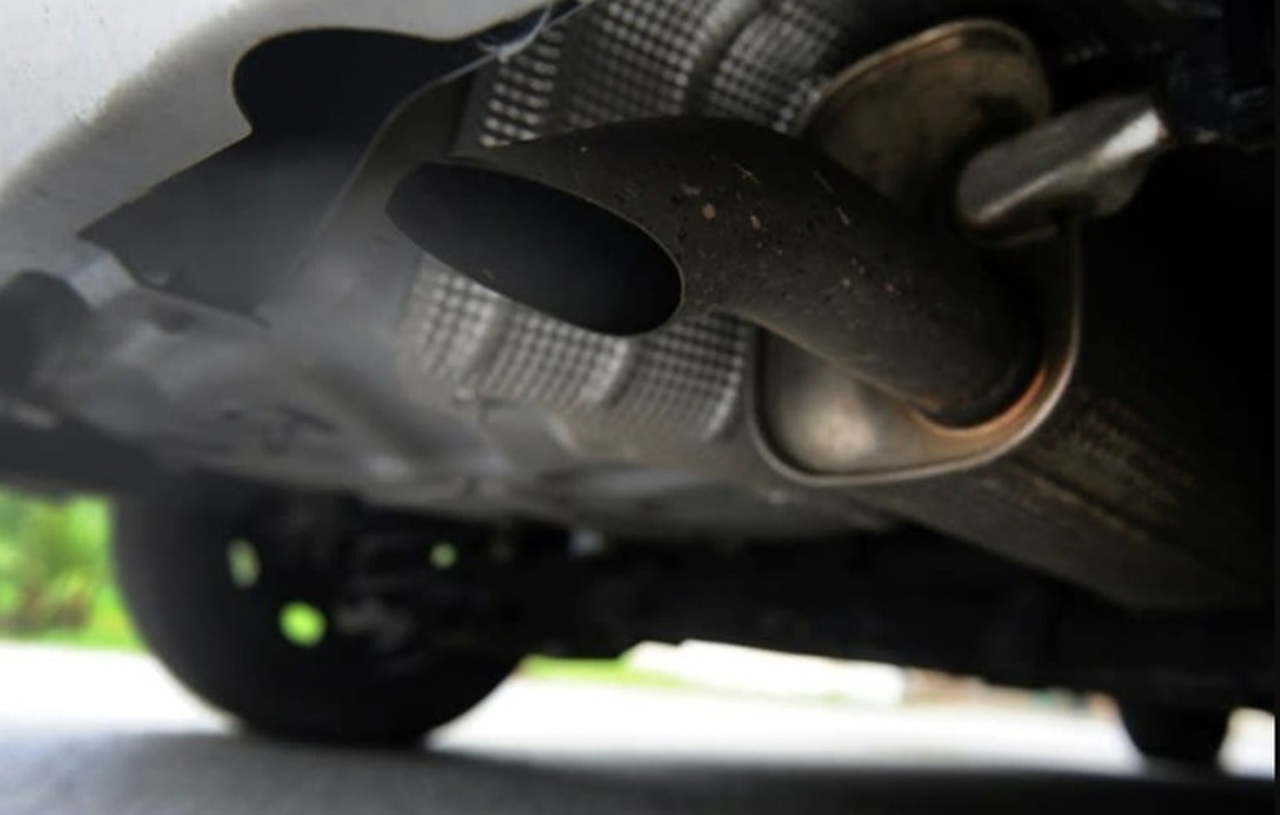
The European Union (EU) on Tuesday scrapped its mandatory 2035 switch to electric vehicles (EVs) for car manufacturers, an iconic environmental measure, citing the growing crisis facing the auto industry in Europe.
Automakers will now be permitted to continue selling a limited number of new combustion engine cars and hybrids after the deadline. However, this is conditional on adhering to multiple requirements, namely compensating financially for the CO2 pollution these limited sales will generate, the European Commission (EC) specified.
In relaxing the EU 2035 car ban objective, the EU is not abandoning its climate goals but adopting a "pragmatic" approach to counter mounting challenges faced by the auto industry, defended French Commissioner Stéphane Séjourné, who oversaw the measure, in an interview with AFP.
"The objective remains the same. These flexibilities are pragmatic realities related to consumer buy-in and the structural hurdles automakers face in bringing 100% electric vehicles to market by 2035," he stated.
The prohibition on selling combustion engine cars from 2035 had been an emblematic part of the landmark "European Green Deal," which aims to help the EU achieve carbon neutrality by 2050.
Europe's move is part of an avowed "pro-business turn" in recent months. The shift comes as the region faces intense competition from China and ongoing trade tensions with the United States, prompting the EU to postpone or soften several key climate measures.
Instead of a complete ban on new combustion engine cars by the deadline, manufacturers must now reduce the CO2 emissions target of their sales by 90% compared to 2021 levels and compensate for the remaining 10% of emissions.
Brussels assures that, through this updated system, the sector will still be 100% decarbonized within the same timeframe.
Translation by Iurie Tataru