EU funds energy communities in Moldova to slash SME electricity bills
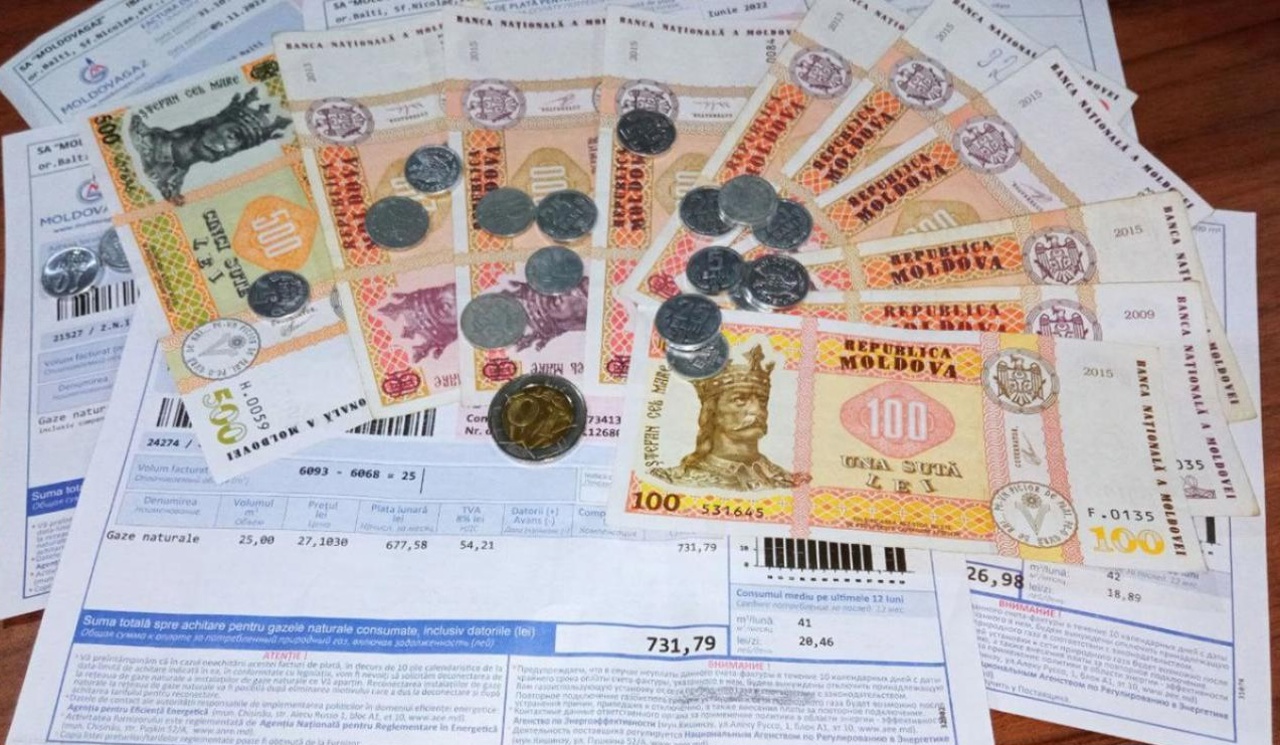
Small and medium-sized enterprises (SMEs) in the Republic of Moldova are set to sharpen their market edge by slashing overheads through a new renewable energy initiative.
The Government approved an agreement on Wednesday, December 17, for a European Union-funded project that introduces shared energy consumption through "energy communities."
The project, titled REC4SMEs, will be managed by the Organization for Entrepreneurship Development (ODA), Moldova’s state agency for business growth. The initiative is a collaborative effort involving partners from Slovenia, Italy, and Romania.
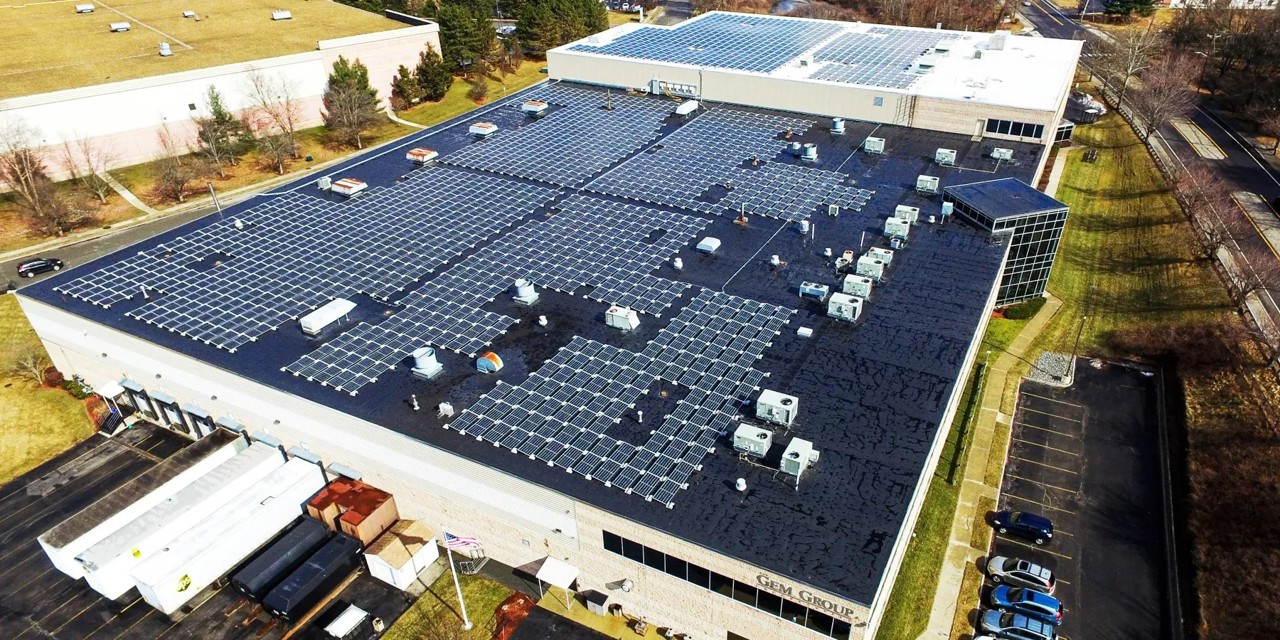
Under this model, entrepreneurs no longer have to bear the high costs of going green alone. By forming energy communities, groups of businesses can collectively invest in solar arrays and shared infrastructure, allowing them to produce and consume their own electricity at significantly lower rates.
The program specifically targets SMEs in the agri-food and retail sectors. A total of 12 renewable energy communities will be established across the four partner countries, with at least 24 Moldovan companies expected to participate directly.
To kickstart the transition, each energy community is eligible for up to 20,000 euros in funding. These grants cover the installation of photovoltaic panels, battery storage systems, and advanced energy efficiency tools.
The total budget for the REC4SMEs project reaches nearly 1 million euros, with 75% provided as non-reimbursable grants by the EU. For Moldova, the ODA will manage a dedicated budget of approximately 246,000 euros.
Official estimates suggest that participating firms will see their energy costs drop by approximately 20%. Deputy Prime Minister and Minister of Economic Development, Eugeniu Osmochescu, emphasized that the project serves as a direct financial lifeline for local businesses.
"This agreement provides tangible support for Moldovan entrepreneurs," Osmochescu stated. "They will see smaller electricity bills, more competitive operations, and gain direct access to modern European economic practices."
The agreement was finalized following signings in Chisinau and Brussels in late 2025. The project is scheduled to go live on January 1, 2026.
Translation by Iurie Tataru