Moldova's Parliament divided over resolution to support Trump’s Ukraine peace plan
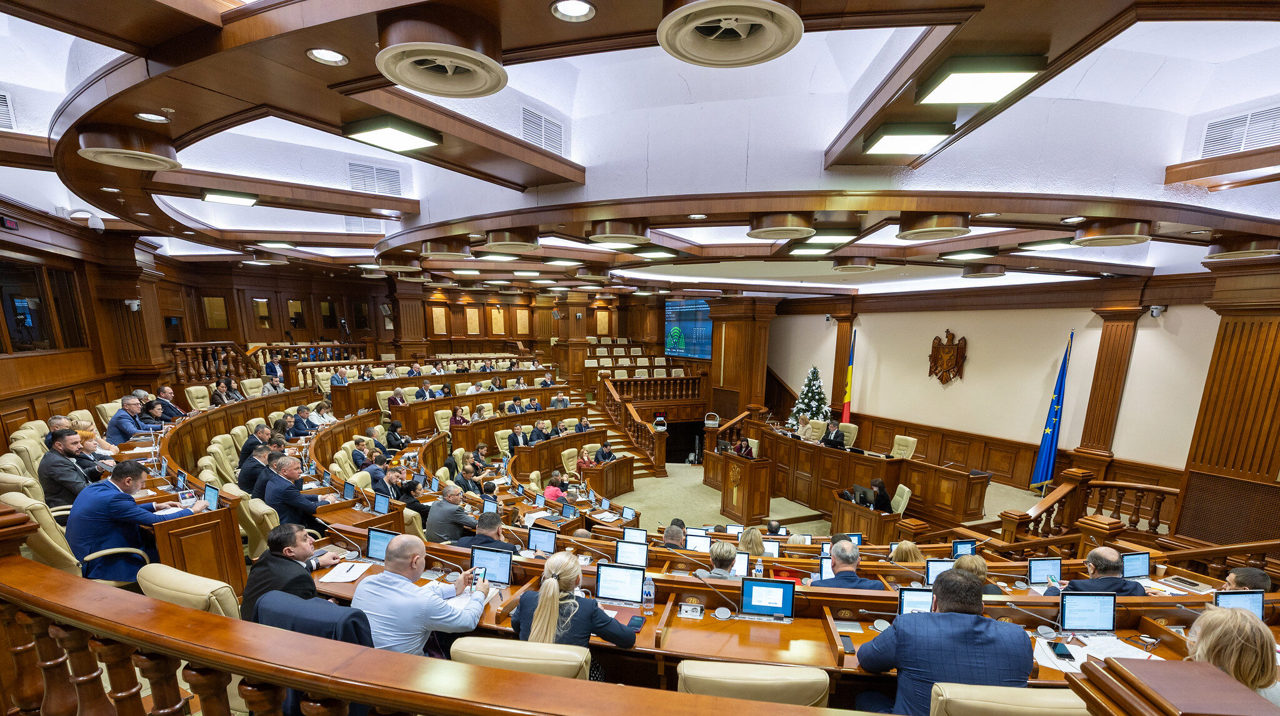
Moldova’s Socialist Party (PSRM) has formally proposed a parliamentary resolution to support U.S. President Donald Trump’s peace plan for Ukraine. The move has sparked a sharp geopolitical debate in Chisinau, highlighting the deep divisions within the country's leadership regarding regional security.
Political maneuvers in Chisinau
The proposal was announced by Socialist leader Igor Dodon following the recent meeting between Ukrainian President Volodymyr Zelenskyy and Donald Trump in Florida. Dodon urged all lawmakers to back the initiative, framing it as a necessary step to end the neighboring conflict.
"The Parliament should approve a resolution supporting this peace plan to stop the war in Ukraine," Dodon stated. He confirmed that his party is currently drafting the formal document for a vote.
Skepticism from the pro-European majority
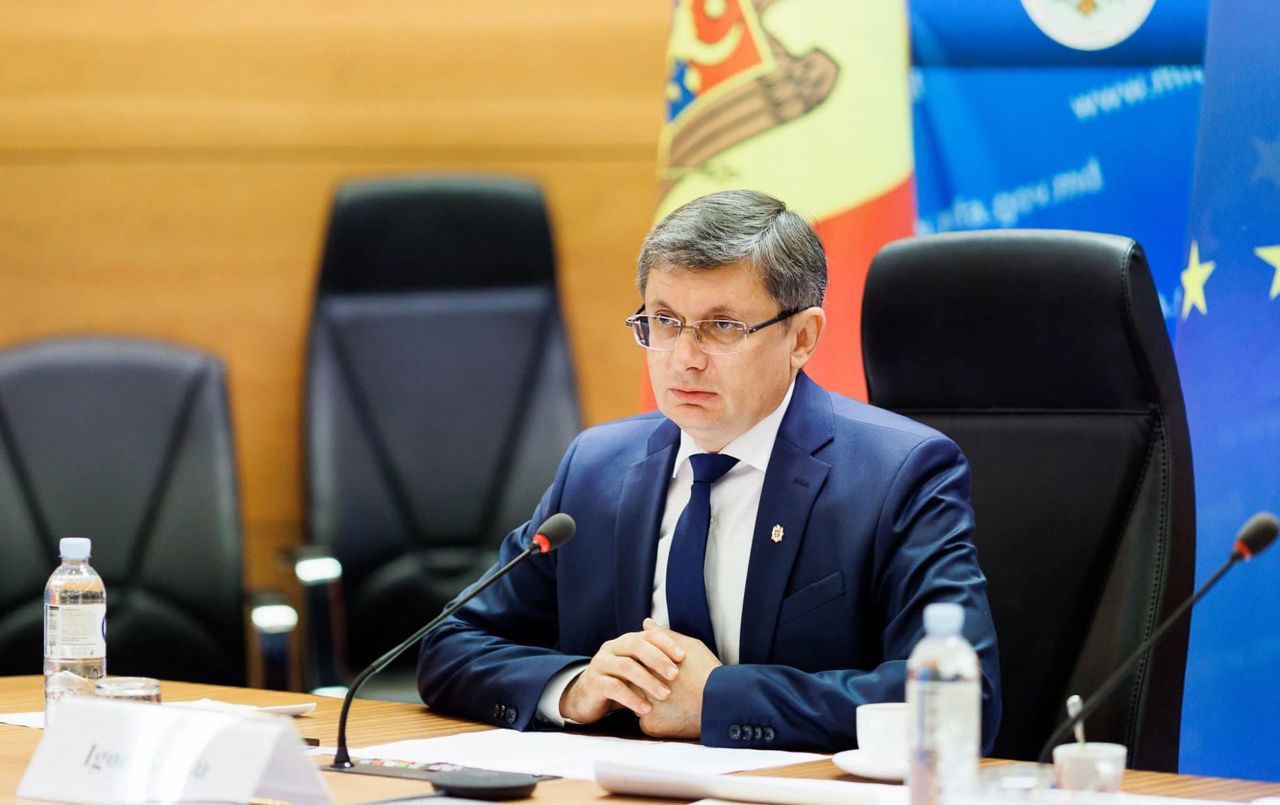
Parliament Speaker Igor Grosu dismissed the initiative using a reference to Alecu Donici’s fable, The Fly on the Plow, implying the Socialists are taking undue credit for a process they do not control. Grosu challenged the opposition to address their demands to the Kremlin instead.
"Why don’t they propose a resolution asking Putin to stop killing people in Ukraine?" Grosu asked. He characterized the move as a populist attempt to gain media attention rather than a sincere diplomatic effort.
A fragmented opposition response
While the Communist Party expressed cautious interest, other opposition figures were more critical. Alexandr Berlinschi of "Our Party" labeled the move as "mimicked combat" between the opposition and the majority.
Other lawmakers, including Vasile Costiuc, questioned the sincerity of the Socialists. He noted that those now praising Trump’s plan are the same politicians who have consistently failed to condemn Russia’s invasion since it began.
Strategic vulnerability
The Republic of Moldova remains one of the nations most affected by the war in Ukraine. The country faces significant economic pressure and security risks due to its geographical proximity and its role in managing massive refugee flows since 2022.
Translation by Iurie Tataru