Six dead as Iran protests over economic crisis enter fifth day
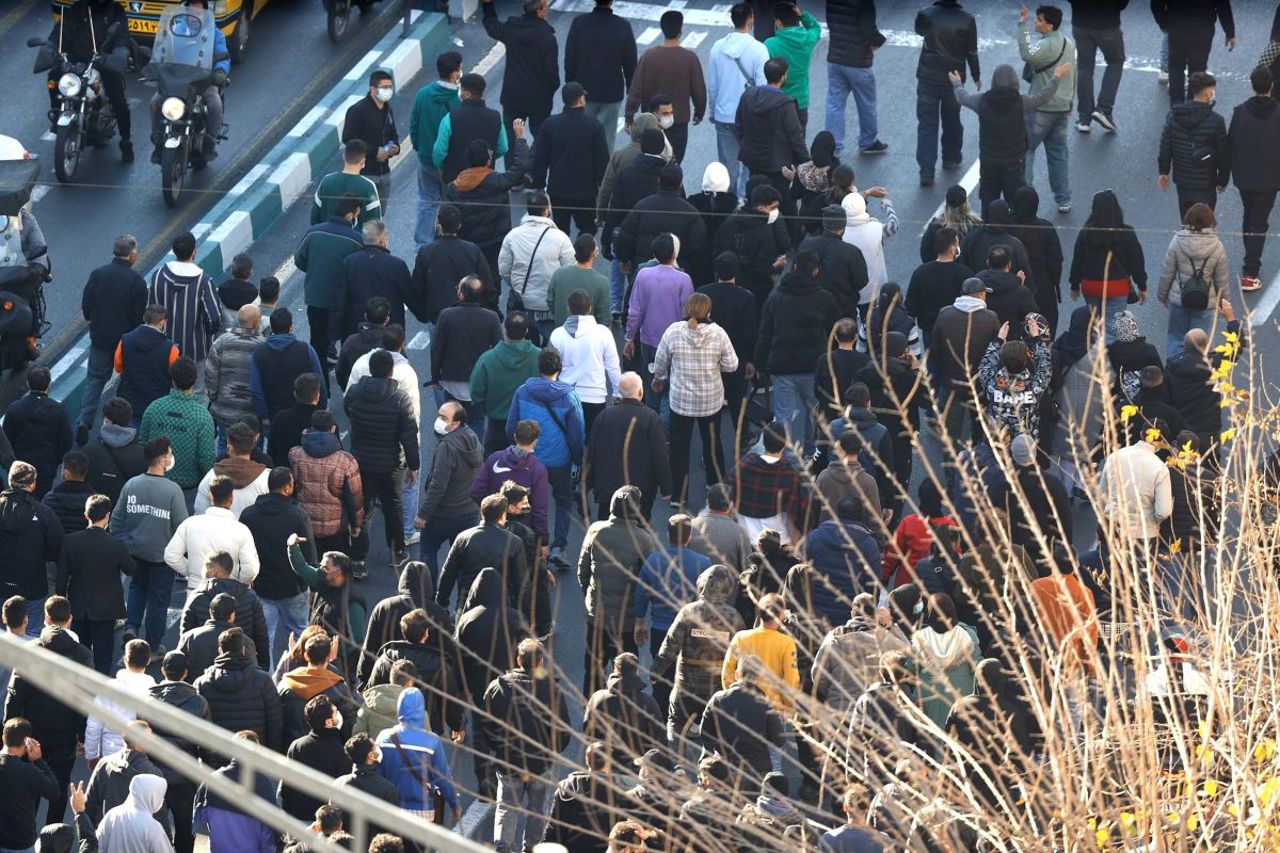
Six people have died in Iran following five consecutive days of nationwide protests triggered by a deepening economic crisis.
While the Associated Press reported the deaths late Thursday, January 1, news agencies including Reuters have confirmed casualties through local media and human rights groups.
Deaths were recorded in the southwestern city of Lordegan and Isfahan province, according to the Fars news agency and the Hengaw Organization for Human Rights. The fatalities mark a significant escalation in the unrest that began last week.
Conflicting accounts of casualties
State television reported that a member of the Basij paramilitary militia was killed on January 1 in Kuhdesht, Luristan province. The Islamic Revolutionary Guard Corps (IRGC) blamed "rioters" for the death.
In contrast, human rights monitors from Hengaw maintain the deceased was a civilian protester killed by security forces. The discrepancy highlights the difficulty of verifying information amid the government's tightening control over communications.
From economic grievances to political defiance
The demonstrations began on December 28 in Tehran, initially led by shopkeepers protesting the country’s 40% inflation rate. The movement quickly spread to other major urban centers, including Isfahan and Mashhad.
By December 30, the protests turned political. Demonstrators were filmed chanting "Death to the dictator" and "Long live the King," slogans directly targeting Supreme Leader Ayatollah Ali Khamenei and referencing the monarchy ousted in the 1979 Islamic Revolution.
Government response and external blame
President Masoud Pezeshkian has reportedly instructed the Interior Ministry to open a dialogue with labor unions and protesters. However, the administration continues to face pressure from hardline security factions.
Authorities have arrested at least 30 individuals in Tehran for "disturbing public order." Security officials have labeled the unrest a "conspiracy by foreign enemies," a standard rhetorical move used to delegitimize domestic dissent.
Sanctions and soaring costs
The unrest is fueled by a stagnant economy and a cost-of-living crisis exacerbated by international sanctions. Despite Pezeshkian’s campaign promises to curb inflation, the daily price of essential goods remains out of reach for many citizens.
Translation by Iurie Tataru