UN report: Moldova’s economy is growing and inflation is easing
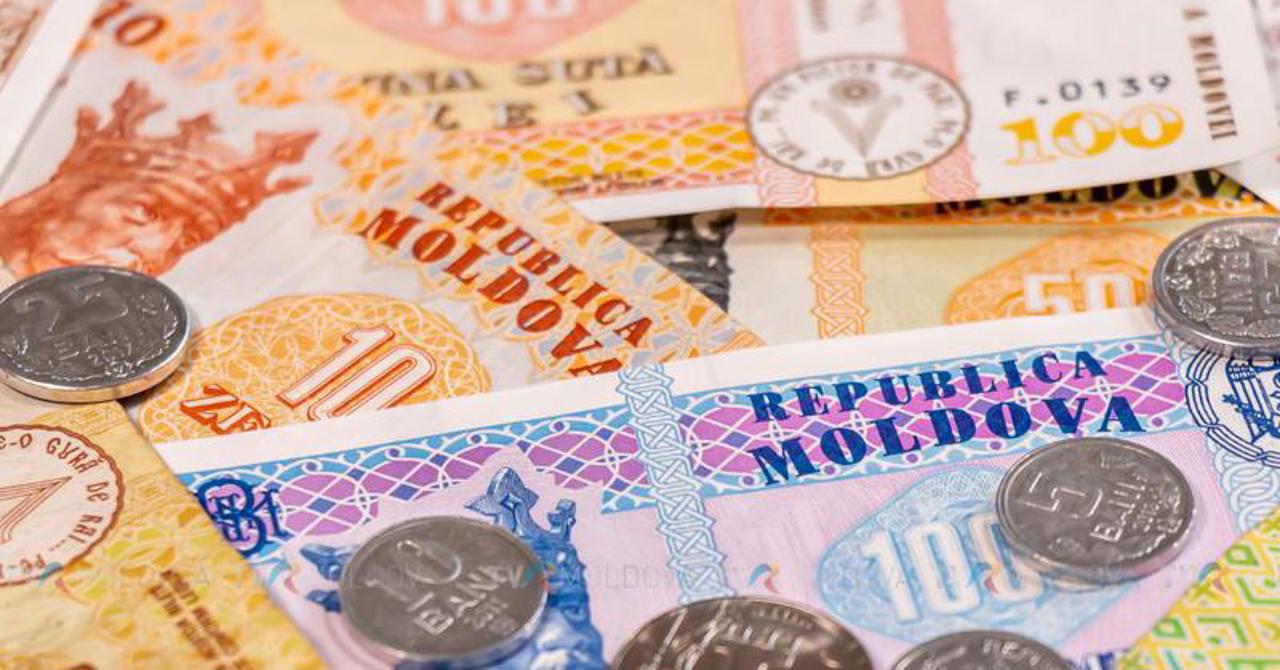
The economy of the Republic of Moldova is gradually recovering from a period of stagnation and various challenges, according to the latest United Nations report "World Economic Situation and Prospects for 2026". Following years impacted by the pandemic, the energy crisis, and record inflation, the UN forecasts indicate a predicted acceleration in economic growth and a noticeable moderation in inflation in the coming years.
According to the UN, the Republic of Moldova's Gross Domestic Product (GDP) is projected to grow by 2.5% in 2026 and by 2.9% in 2027.
In contrast, GDP declined by 4.6% in 2022 due to the energy crisis and the impact of the war in Ukraine. The economy saw a modest 1% recovery in 2023, followed by nearly stagnant growth of just 0.1% in 2024. For 2025, the UN forecasts a 1.5% growth.
Reasons for economic growth
The UN attributes the economic recovery primarily to domestic consumption, bolstered by rising real wages and steady remittance flows. The stabilization of macroeconomic conditions has also played a role in reviving economic activity.
However, the UN notes that investment levels remain low, and the Republic of Moldova's economy continues to depend heavily on external factors, particularly those affecting the European Union. This reliance means that any issues in other countries can quickly impact the domestic economy.
Price trends post-2022 peak
Another positive aspect highlighted in the UN report is the moderation of inflation. After reaching an extreme peak in 2022, with average price increases of 28.7%, the situation has started to improve.
In 2023, inflation fell to 13.4%, and in 2024 it decreased significantly to 4.7%. For 2025, the UN forecasts a 8.2% price increase, but future projections indicate a further decline in inflation, with estimates of 4.6% in 2026 and 4.3% in 2027.
Ongoing challenges with the cost of living
Despite the decline in inflation, the UN warns that prices remain high, continuing to strain family budgets. The Republic of Moldova relies heavily on imports for most of its energy and a significant portion of its food, making it vulnerable to fluctuations in international markets.
In conclusion, the UN indicates that the Republic of Moldova is entering a more stable economic period characterized by growth and decreasing inflation. However, the recovery remains fragile. Without increased investment, necessary reforms, and reduced dependence on imports and consumption, the economy may continue to experience sluggish growth.