OFFICIAL | 1,600 deceased Moldovans repatriated in five years; cost revealed
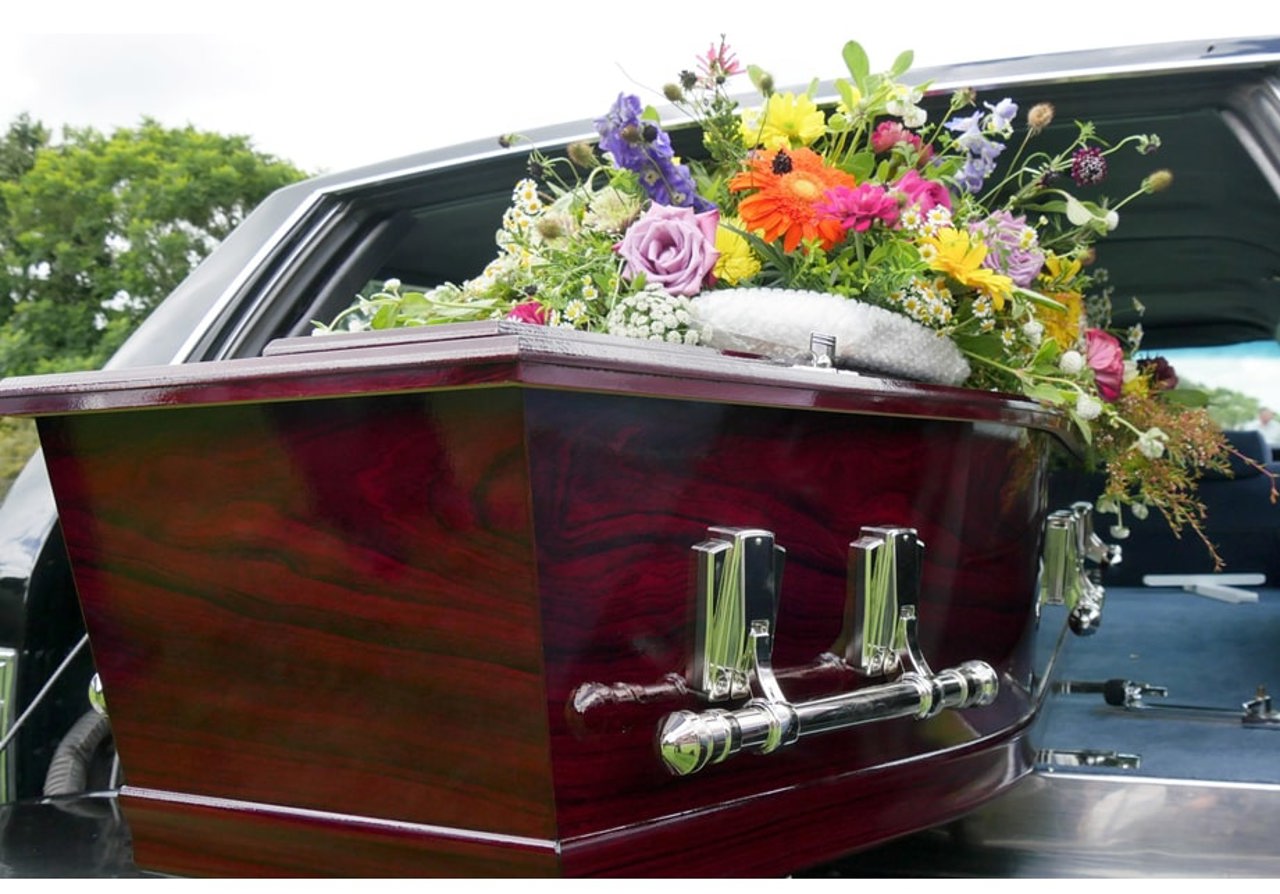
Migration has not only changed the employment landscape for Moldovans, but it has also impacted their ability to cope with the loss of loved ones. Between 2020 and 2025, more than 1,600 Moldovan citizens died while abroad. The process of repatriating their remains has become a financial burden for families and a frequent responsibility for authorities.
According to data from the Ministry of Foreign Affairs (MAE) provided to "Teleradio-Moldova," between January 1, 2020, and November 30, 2025, the diplomatic missions and consular offices of the Republic of Moldova issued approximately 1,600 mortuary passports. These passports are essential for the repatriation of deceased individuals or urns containing ashes.
Countries with the highest number of deceased citizens repatriated
The majority of mortuary passports were issued in countries with significant Moldovan communities. Italy ranks first, with 811 passports issued, followed by France with 144, Turkey with 97, the Czech Republic with 95, and Romania with 64. The Russian Federation accounted for 45 mortuary passports, while the United States also had a notable number, with 40 issued during the same period.
Conversely, isolated cases were reported in countries with smaller Moldovan communities, such as Japan (2 cases), India (1 case), and the People's Republic of China (1 case).
State does not fund repatriation of bodies
The Ministry of Foreign Affairs (MFA) clarifies that the role of embassies and consulates is strictly consular and limited by legal frameworks.
“The assistance provided includes registering the death, issuing death certificates, and mortuary passports free of charge, as well as informing families about the procedures applicable in the country where the death occurred,” states the official response sent to our editorial office.
However, the MFA emphasizes that the state lacks financial mechanisms to cover the costs of repatriation.
“The Ministry of Foreign Affairs and the Government of the Republic of Moldova do not have financial support mechanisms or the means to cover the costs of repatriating Moldovan citizens who die abroad,” the institution specifies.
Typically, these expenses are borne by the deceased's family or, in some cases, by employers, especially if the deceased had an employment contract.
Procedures and documents required at the Border
The transportation of coffins or urns containing ashes across state borders is governed by the Strasbourg Agreement of 1973 on the transfer of deceased persons' bodies, which has been ratified by the Republic of Moldova, according to information from the Customs Service provided to Teleradio-Moldova.
To bring inanimate bodies or urns with ashes into the Republic of Moldova, the following documents must be presented at the border: a mortuary permit or death certificate (original copies), supporting transport documents, and any additional documents as required.
To remove deceased citizens from the Republic of Moldova, it is mandatory to present the mortuary permit issued by the Ministry of Health along with transport documents.
“Except for the documents required by international conventions, neither the destination state nor the transit state will require documents other than the mortuary permit,” states the international agreement referenced by the Customs Service.
Costs of repatriating inanimate bodies
The costs of repatriating inanimate bodies vary significantly depending on distance and mode of transportation, according to the Ministry of Foreign Affairs. The estimated costs are as follows:
- From Romania: €400 - €1,500
- From Italy: Approximately €3,000
- From France: €3,000 - €4,000
- From the United States: Up to €15,600, depending on the year and services provided
- From India: €5,370
- From Japan: Starting at €6,000
Additionally, the Republic of Moldova has one of the highest labor migration rates in Europe. Official data indicates that approximately one million Moldovan citizens are currently working abroad, with most residing in European Union countries.