Frozen Dniester severs supply lines to Moldovan-controlled villages
Moldovan authorities have secured a fragile compromise with Tiraspol to ensure food and medicine reach the Cocieri plateau after thick ice halted the Molovata ferry. The river crossing, the only direct link to the region that bypasses separatist checkpoints, was suspended on January 14 due to extreme temperatures.
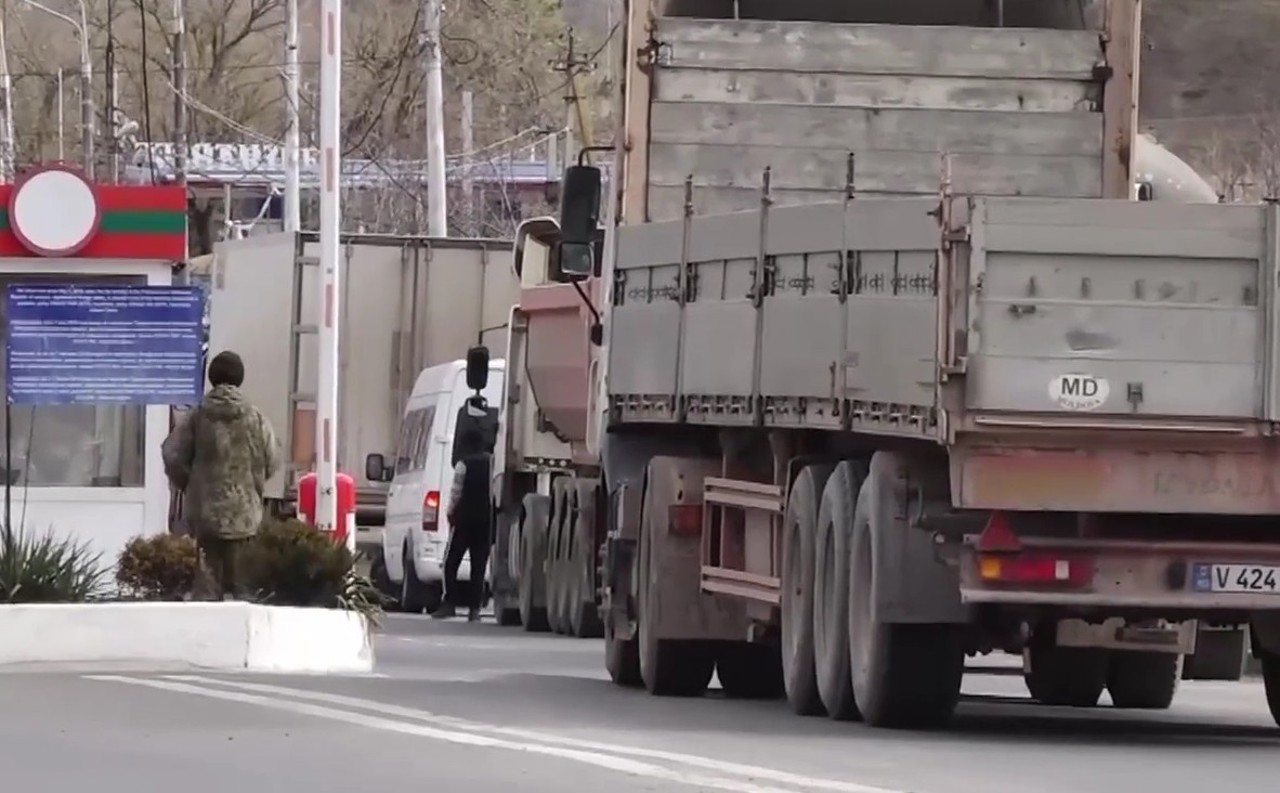
Deputy Prime Minister for Reintegration, Valeriu Chiveri, confirmed that direct consultations were held with Tiraspol’s chief negotiator, Vitali Ignatiev. The agreement allows economic operators carrying vital goods to pass through Dubasari without facing the "import-export" taxes usually imposed by the de facto Transnistrian administration.
Strategic transit amidst ice
The Molovata ferry serves as a lifeline for the villages of Molovata Noua, Vasilevca, and Corjova. These constitutional territories sit on the left bank of the Dniester but rely on the ferry to avoid the political and financial hurdles of Transnistrian-controlled routes.
"We must be fair and mention that there was understanding," Chiveri stated during a broadcast on Moldova 1. He noted that while the ferry is in good repair, the thick ice layer is expected to persist until late February, making road transit through Dubasari the only viable alternative.
Diplomacy by text message
Despite the breakthrough, the official revealed that formal diplomatic relations remain cold. Communication between the two negotiators currently happens exclusively via text messaging rather than face-to-face meetings.
"I understand the need for direct contact, but from their perspective, it is a political issue, whereas we view it as a technical one," Chiveri explained. Chisinau continues to insist that the next official "1+1" working meeting must be held on the right bank to maintain the established rotation principle.
Logistical vulnerability
Under normal conditions, the Molovata ferry operates 13 daily trips, transporting pedestrians and light vehicles. Without it, residents are forced to travel dozens of extra kilometers through separatist-controlled territory, often facing unpredictable inspections and demands for additional documentation.
The Reintegration Bureau emphasized that constitutional authorities are monitoring the situation daily to prevent any shortage of essential goods in the isolated Security Zone enclaves.
Translation by Iurie Tataru