Maia Sandu honors Katyn victims during official visit to Poland

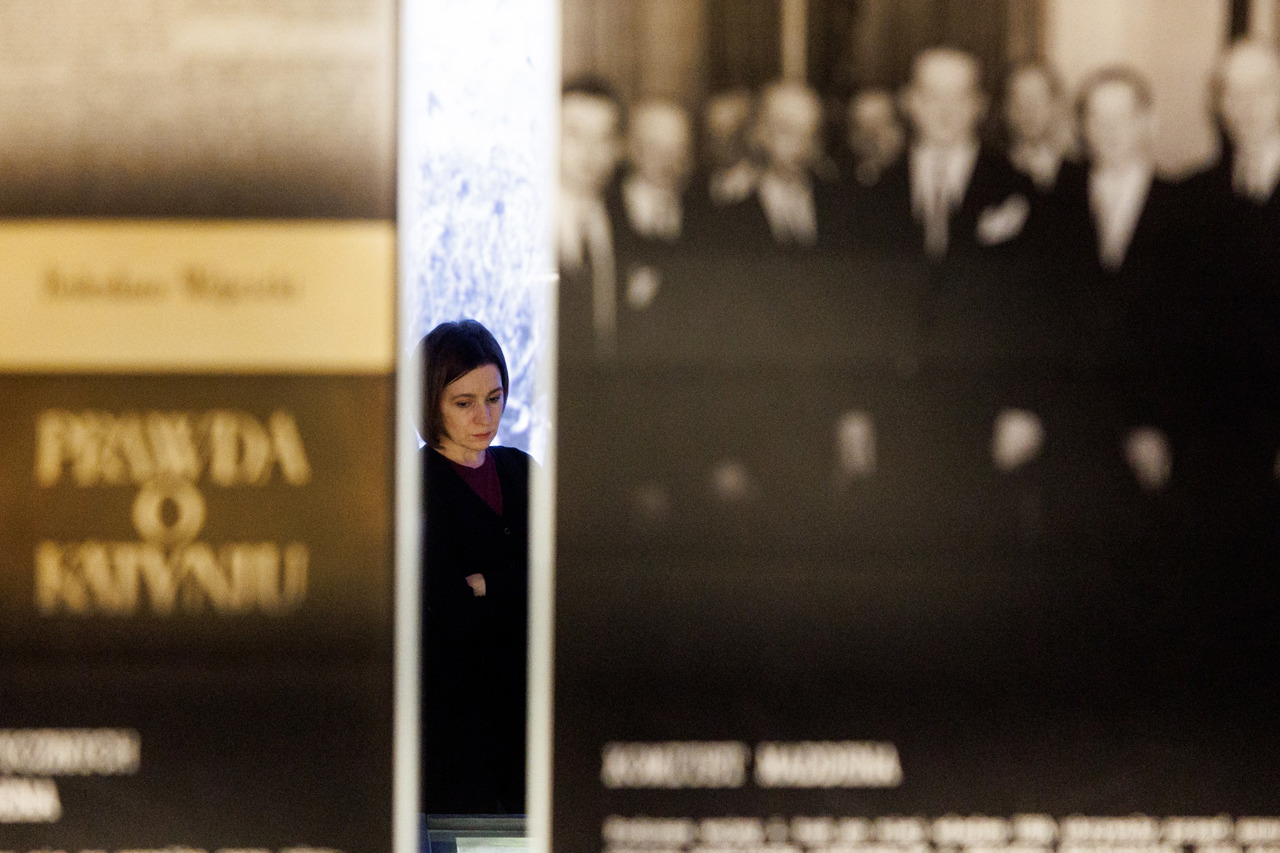
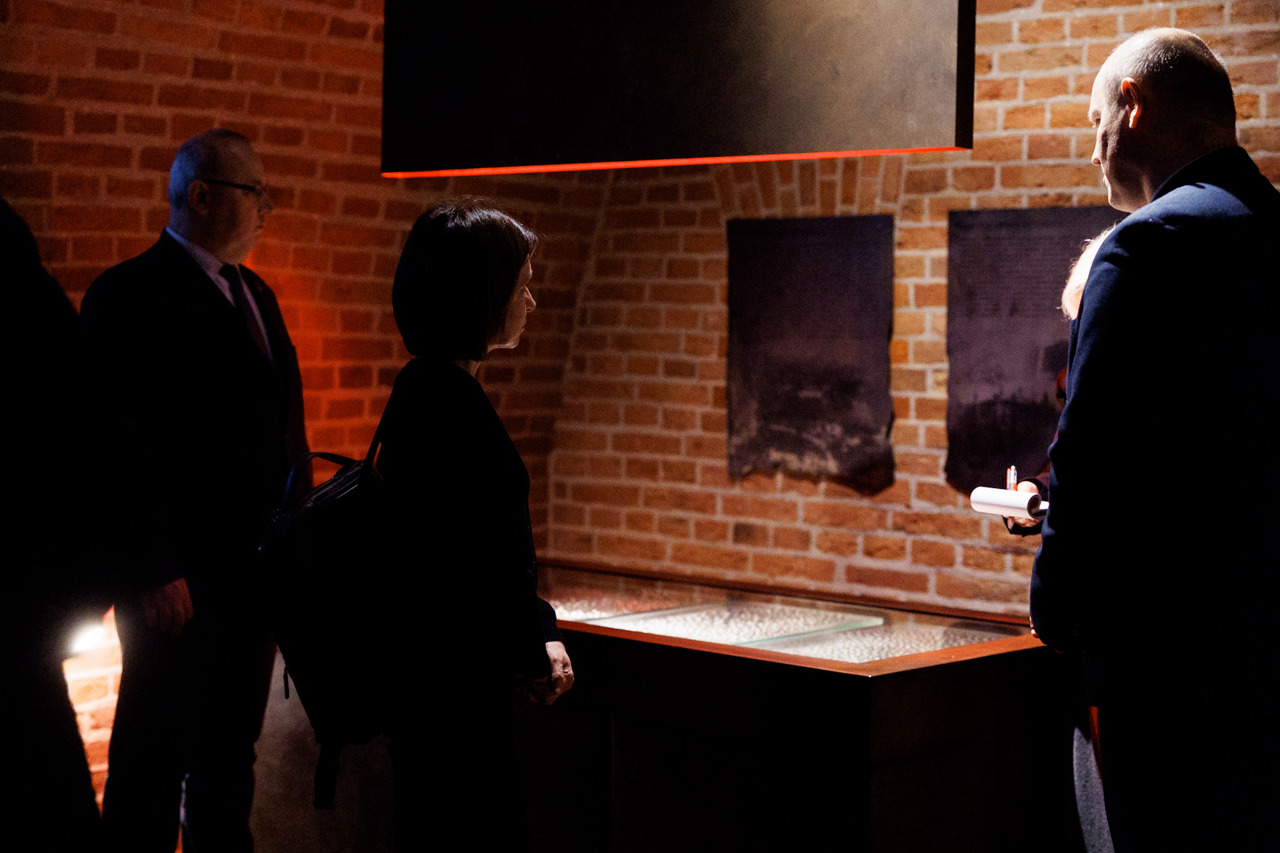
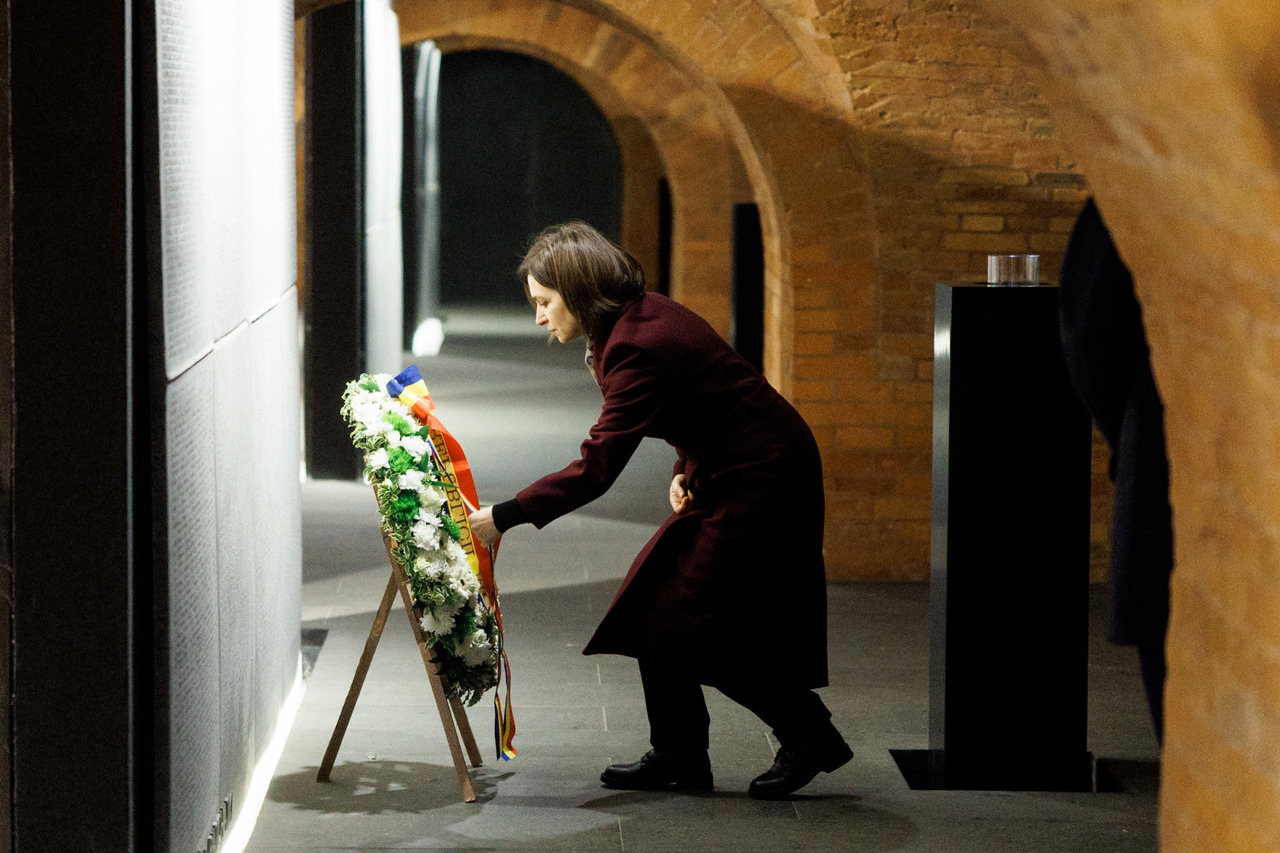
Moldovan President Maia Sandu began her official visit to Poland this Monday, January 26, with a poignant tribute to the victims of the Katyn Massacre in Warsaw.
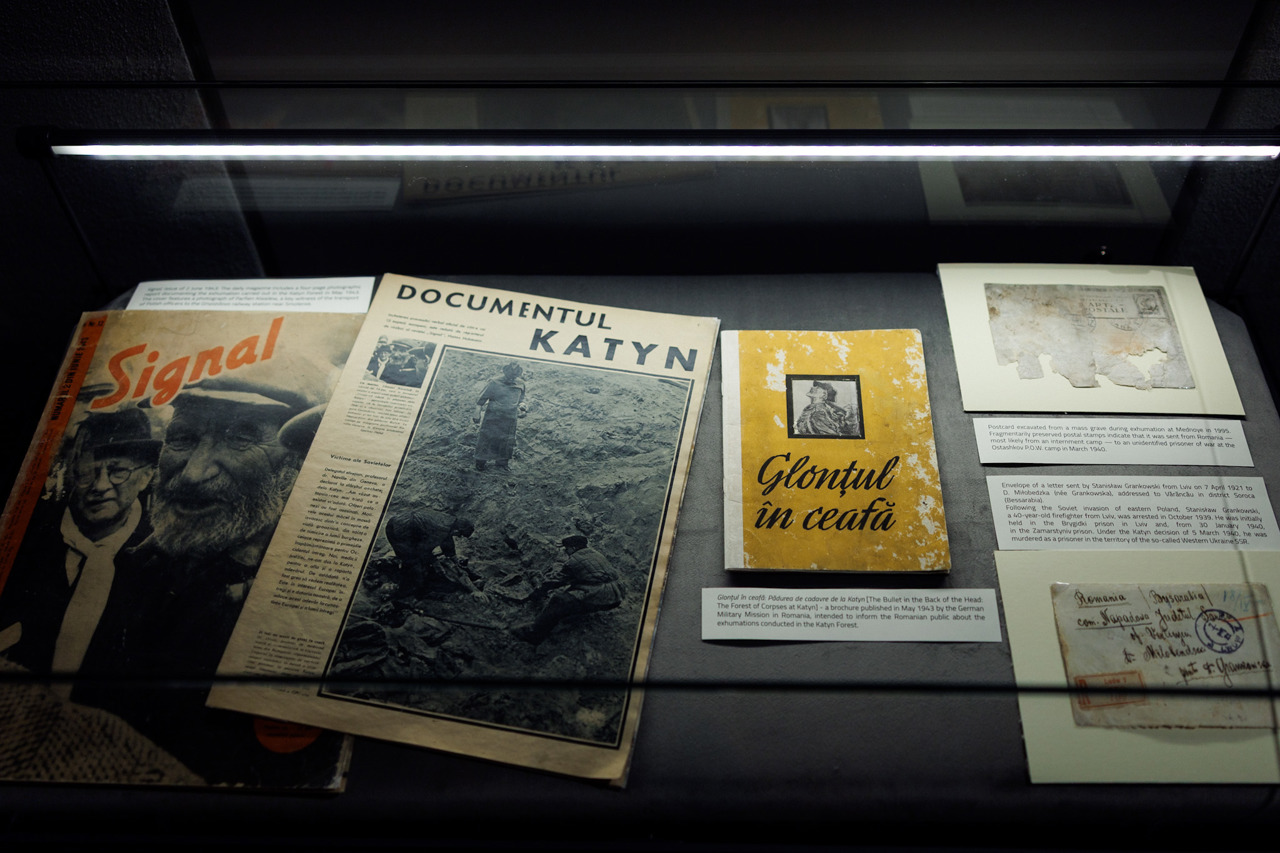
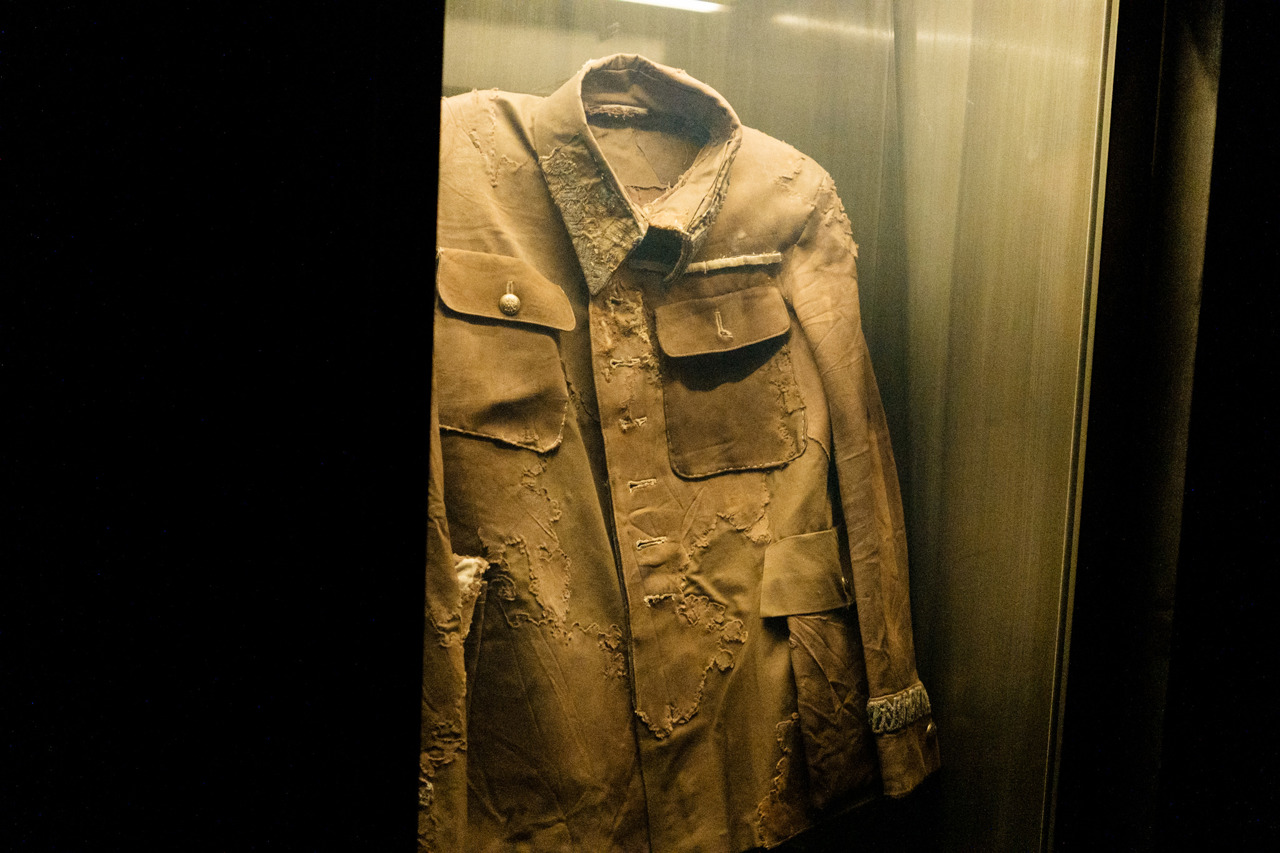
The visit to the Katyn Museum serves as a powerful diplomatic gesture, emphasizing the shared historical trauma between Moldova and Poland under Soviet oppression.
Reflecting on historical atrocities
During her tour of the memorial, President Sandu described the museum as "a place that forces you to be silent and listen to history as it truly was."
The institution commemorates the 1940 massacre of approximately 22,000 Polish officers and intellectuals by the Soviet regime in the Smolensk region—a crime concealed by authorities for decades.
The legacy of the Ribbentrop–Molotov Pact
Sandu emphasized that these atrocities were a direct consequence of the Ribbentrop–Molotov Pact. She noted that the pact’s effects are still felt today in the Republic of Moldova.
"The agreement shattered lives, destroyed families, and left deep wounds in the collective memory of our nations," the President stated, linking the historical struggles of both peoples.

Building resilience through truth
For Sandu, honest engagement with the past is essential for strengthening modern society. She argued that knowing the truth allows citizens to discern reality from propaganda and value their freedom.
The President highlighted that a society confronting its tragedies becomes more resilient and more conscious of the democratic values it must defend.
A commitment to collective memory
Moldova aims to learn from Poland's expertise in preserving and promoting collective memory. Sandu clarified that the goal is not to remain anchored in the past, but to prevent its repetition.
"Memory is a form of responsibility toward those who suffered and toward future generations," she concluded. The official visit continues with high-level meetings focused on bilateral cooperation and regional security.
Translation by Iurie Tataru