Lifestyle changes and vaccination could prevent up to 30% of cancer cases in Moldova

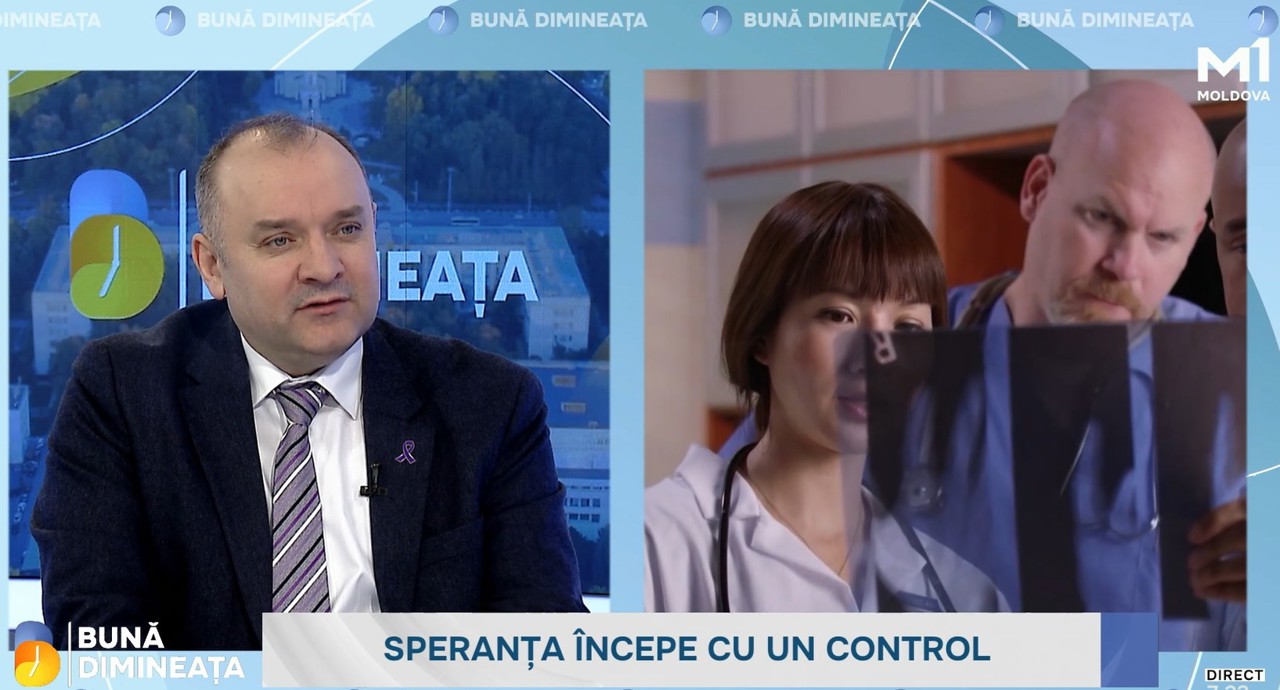
Lifestyle adjustments, including smoking cessation, reduced alcohol consumption, and timely vaccination, could prevent 25% to 30% of cancer cases in the Republic of Moldova, according to Ruslan Baltaga, Director of the National Oncological Institute. Speaking on World Cancer Day, observed annually on February 4, Baltaga emphasized that regular screenings and primary care consultations are critical in shifting the national healthcare focus from treatment to prevention.
The Director identified tobacco use, excessive alcohol intake, sedentary lifestyles, and lack of immunization—specifically against Hepatitis and HPV—as the primary drivers of the country’s oncological burden. Cancer currently ranks as the second leading cause of morbidity and mortality in Moldova, impacting not only patients but the broader socio-economic stability of the nation.
"It is essential to establish a relationship with a trusted family doctor, who serves as the primary gateway into the healthcare system," Baltaga stated, highlighting that systematic risk-factor control is more effective than late-stage intervention.
Integration with European screening standards
Moldova currently operates three age- and gender-specific screening programs. The country has enhanced these initiatives by participating in EU CanScreen, a collaborative platform involving EU member states and partners like Norway. This partnership allows Moldovan specialists to align local efforts with international trends in detecting colorectal, breast, and cervical cancers.
New screening protocols for high-burden diseases, such as lung and prostate cancer, are also being initiated. "As part of this network, our national experts exchange expertise to ensure our target groups receive care that meets current European perspectives," Baltaga added.
Diagnostic trends and survival rates
Current data indicates a significant challenge: approximately 25% of cancer cases in Moldova are still diagnosed at Stage IV, which severely limits life expectancy. Conversely, about 50% of patients are diagnosed during Stages I and II. The Institute’s primary objective is to increase this early-detection percentage, allowing cancer to be managed as a treatable chronic condition.
Regarding colorectal prevention, the Institute offers free colonoscopies for relatives of cancer patients, while other groups utilize fecal occult blood tests (FOBT). Baltaga clarified that a positive test result is a preventive tool for identifying and removing precancerous lesions rather than an automatic diagnosis of malignancy.
Strategic outlook and EU integration
There are currently 70,000 people living with a cancer diagnosis in Moldova. The country records between 5,000 and 5,500 deaths annually, with approximately 2,000 patients passing away within the first year of diagnosis.
As part of EU accession negotiations, Moldova has joined major initiatives such as EU4Health and EU Net CCC. These programs aim to establish Comprehensive Cancer Centers and promote a new "survivor-centric" philosophy. Under this framework, a "survivor" is defined as any individual from the moment of diagnosis through remission, a conceptual shift intended to reduce the social stigma associated with the disease.
Translation by Iurie Tataru