Moldova weighs staged EU integration by 2027 to bolster national security
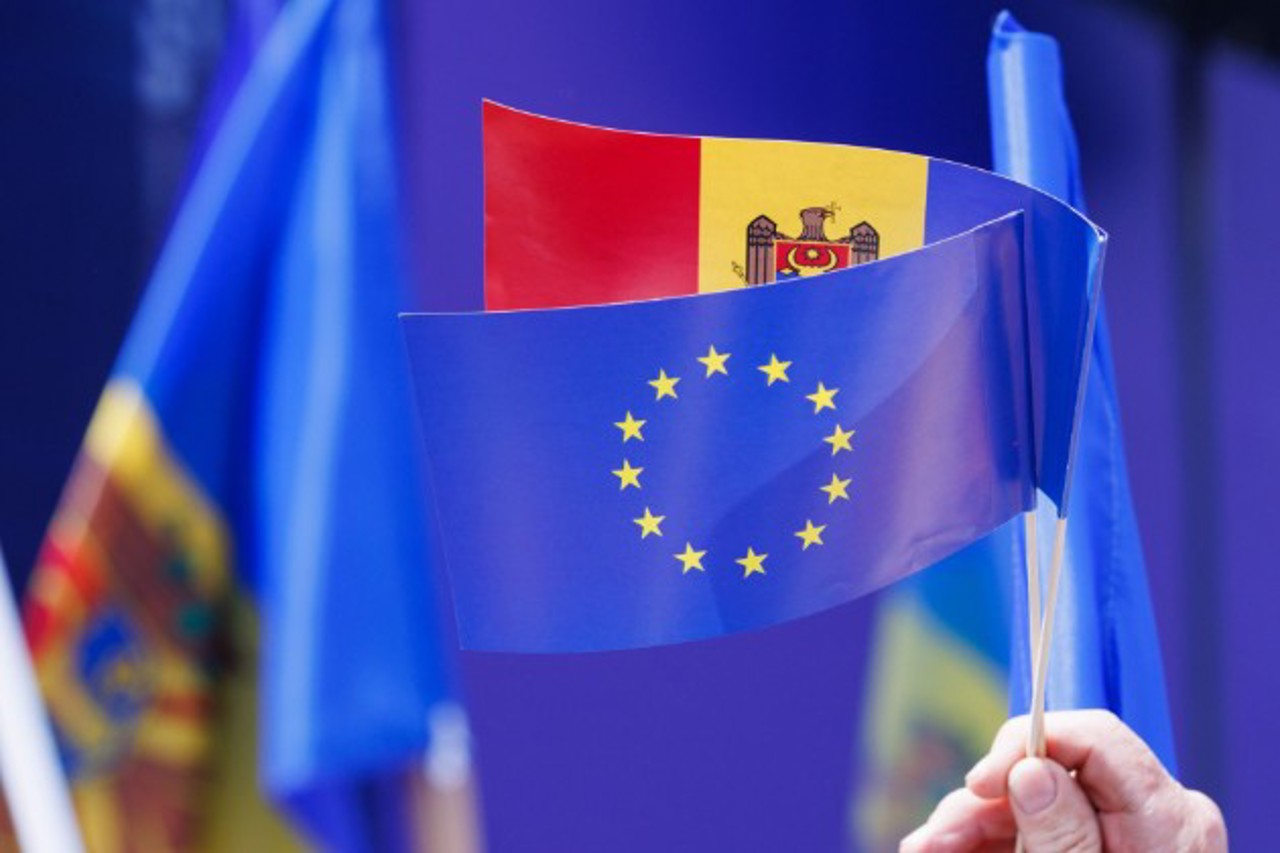
Moldova stands to gain significant strategic advantages from a potential "staged accession" to the European Union, a scenario currently under discussion in Brussels for Ukraine, Moldova, and Albania.
Security experts suggest this mechanism would provide Chisinau with an immediate "normative security umbrella." This move aims to bypass political deadlocks, specifically Hungary's recurring veto regarding Ukraine’s progress.
The 2027 integration roadmap
Brussels is reportedly developing a framework that could grant Moldova and Ukraine partial membership by 2027. Expert Andrei Curăraru notes that even a non-permanent status would be positive, anchoring the country within the EU's legal and security architecture.
Under this "reverse expansion" model, Moldovan citizens could gain full labor market access and increased investment opportunities before full political integration. However, the country would likely lack voting rights in EU structures during this interim phase.
Strategic alignment and reform
Foreign Minister Mihai Popșoi confirmed that Moldova is open to "innovative ideas" regarding staged integration. While the ultimate goal remains full membership, the immediate priority is securing the country’s European trajectory.
The plan, first reported by Politico on February 10, is designed to send a powerful signal to Moscow. It aims to finalize the European anchoring of candidate states whose progress is currently hindered by the war or internal EU opposition.
Technical readiness by 2027
Ukrainian President Volodymyr Zelensky has expressed similar readiness, insisting that EU integration by 2027 be part of any future peace framework. "Technically, we will be ready by 2027," Zelensky stated.
For Moldova, the staged approach ensures that internal reforms continue without pause. The objective remains a European Moldova that provides immediate prosperity and security to its citizens before the final legal formalities are concluded.
Translation by Iurie Tataru