EU leaders push for energy reform to salvage industrial autonomy
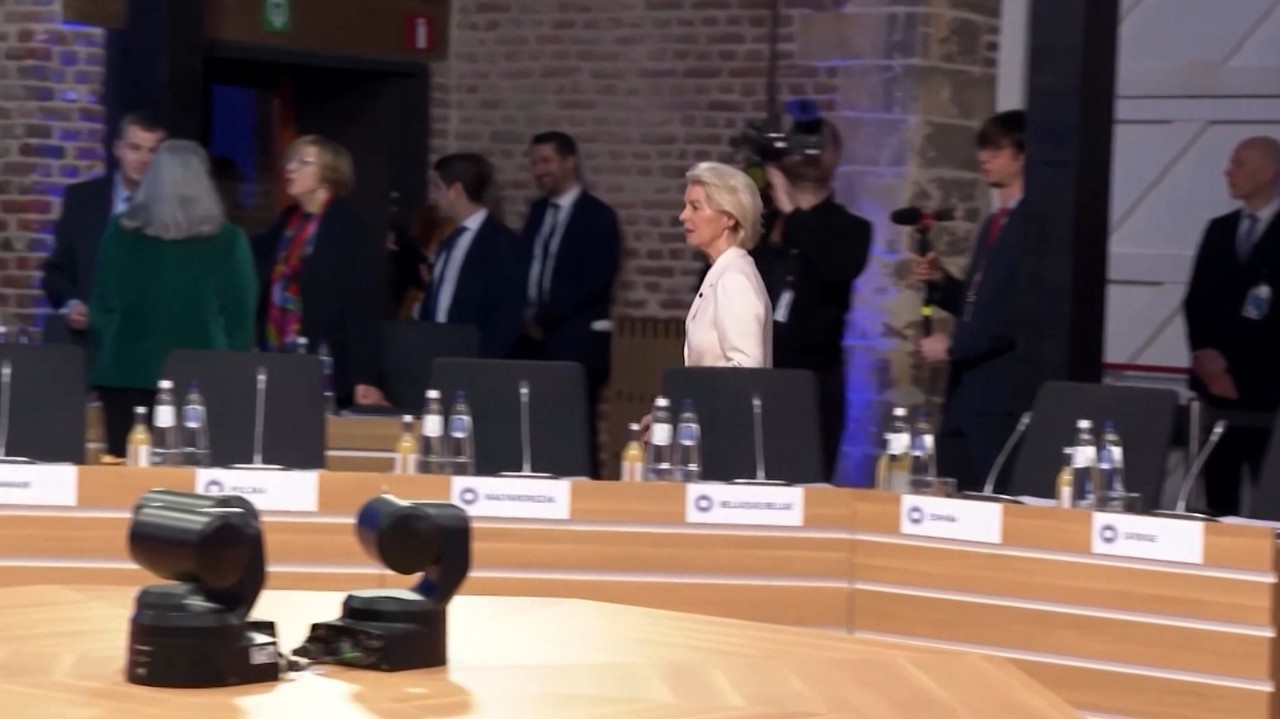
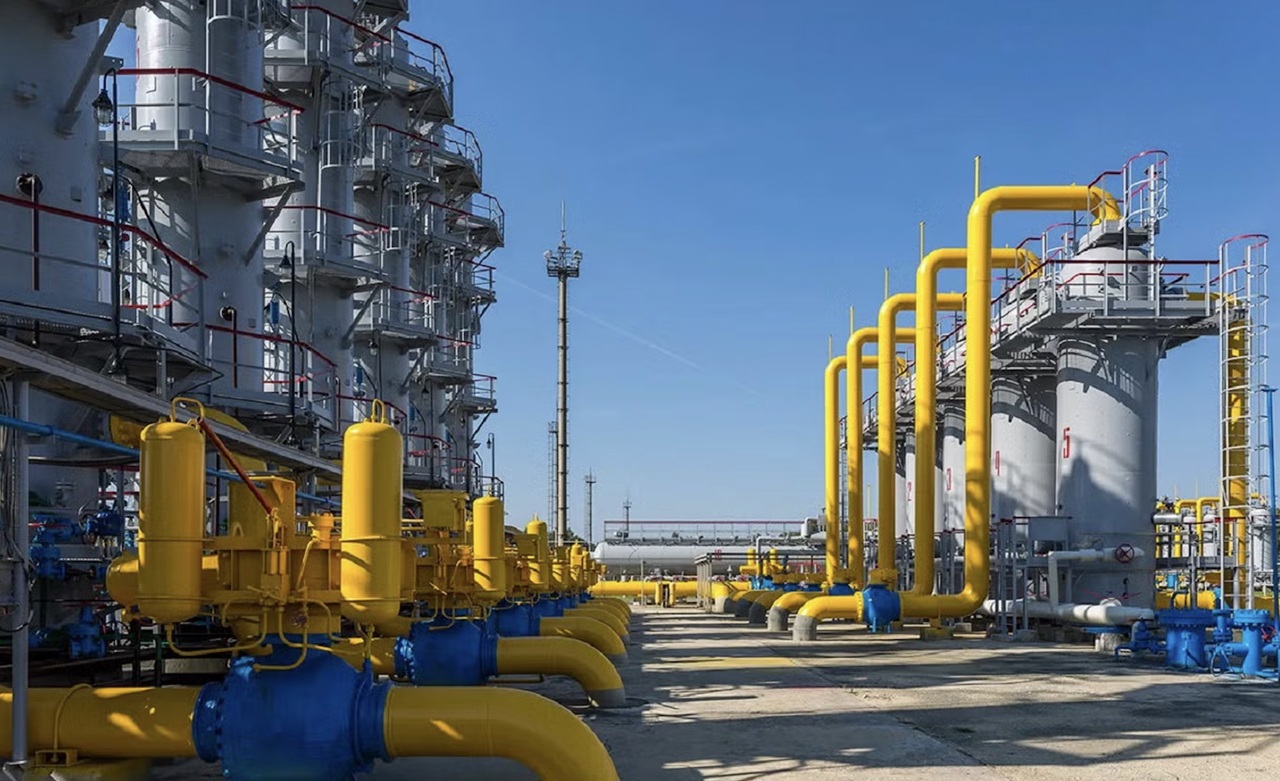
European Union leaders have convened to address the systemic erosion of the bloc’s competitiveness, signaling an urgent need for structural energy reforms. Romania, France, and Belgium are leading the call for immediate measures to lower electricity prices.
The current crisis is exacerbated by high CO2 certificate costs under the EU’s green policies, which penalize fossil fuel reliance. These domestic challenges are further strained by an impending trade war with the United States and Chinese restrictions on critical mineral exports.
The threat of deindustrialization
"We are losing our petrochemical, steel, and metal industries, which are the foundations of all prosperity," stated Belgian Prime Minister Bart De Wever. He warned that without reducing energy costs and administrative burdens in 2026, the EU would forfeit its strategic autonomy.
De Wever emphasized the need to protect the internal market against aggressive pricing strategies from rival trade blocs. The consensus among most leaders points toward identifying viable solutions to streamline the borderless internal market.
Discord and strategic resilience
In a discordant populist stance, Hungarian Prime Minister Viktor Orbán suggested halting financial support for Ukraine to prioritize domestic investment. "If you need money for competitiveness, do not give it to someone else," Orbán remarked, linking economic performance directly to an immediate end to the war.
However, other European leaders swiftly countered this view, prioritizing long-term stability and collective action. Lithuanian President Gitanas Nausėda urged for "less talk and more commitment," noting that the window for action is rapidly closing against global rivals.
A path toward open markets
EU foreign policy chief Kaja Kallas reinforced the liberal stance against protectionism. She argued that European companies remain strongest when they can export freely without artificial barriers.
"If we make ourselves stronger, our products remain competitive without the need for protectionism," Kallas stated. The EU now looks toward a "Clean Industrial Deal" to support local production while navigating the most difficult industrial period in decades.
Translation by Iurie Tataru