Munich Security Conference 2026: Europe braces for a post-American security era
World leaders have gathered for the 62nd Munich Security Conference (MSC) amidst a seismic shift in the global order. The primary focus remains whether Europe can still rely on the United States as an unconditional security guarantor.
The three-day summit is dominated by the durability of the transatlantic bond, the war in Ukraine, and evolving relations with Russia. Security challenges including hybrid warfare, AI, and climate security lead the inaugural agenda.
A new geopolitical era
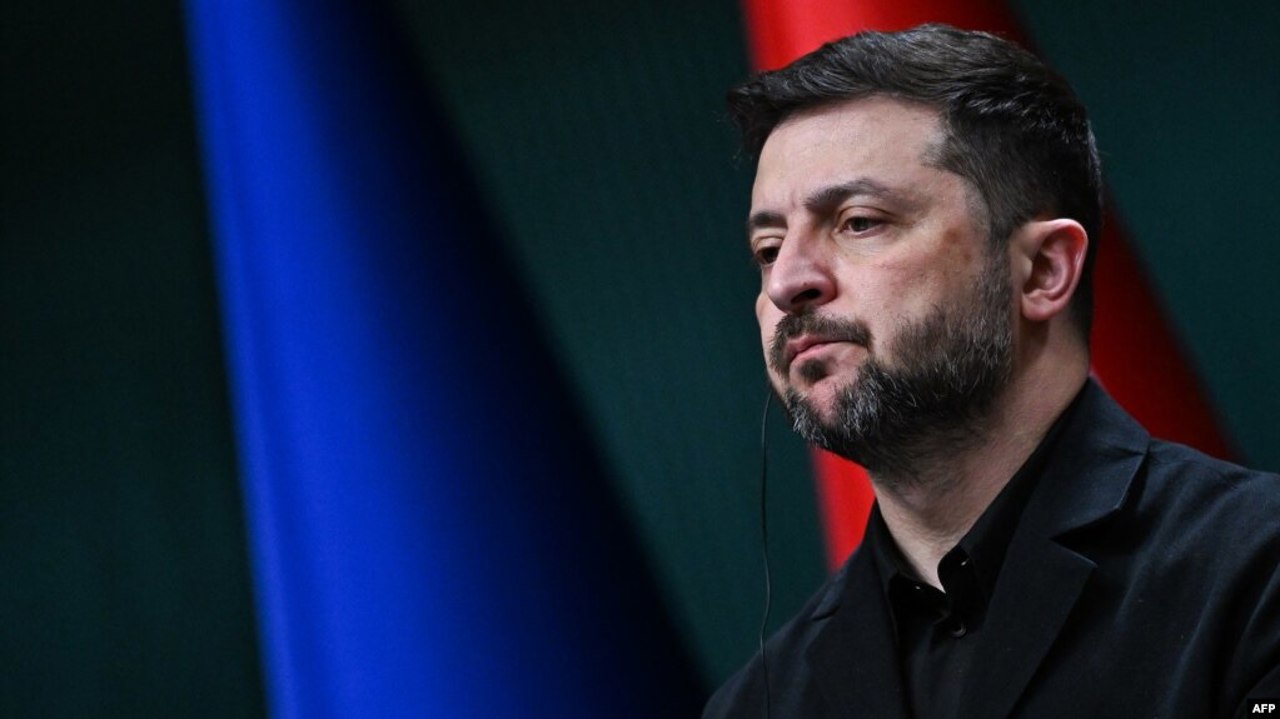
German Chancellor Friedrich Merz is set to present Germany’s new foreign policy strategy today. He will hold high-level bilateral meetings with Ukrainian President Volodymyr Zelenskyy and U.S. Secretary of State Marco Rubio.
U.S. Secretary of State Marco Rubio noted that the "old world" has vanished, replaced by a new geopolitical era. He emphasized that while ties with Europe remain deep, the future of the alliance requires fundamental renegotiation.
Strategic presence for Moldova
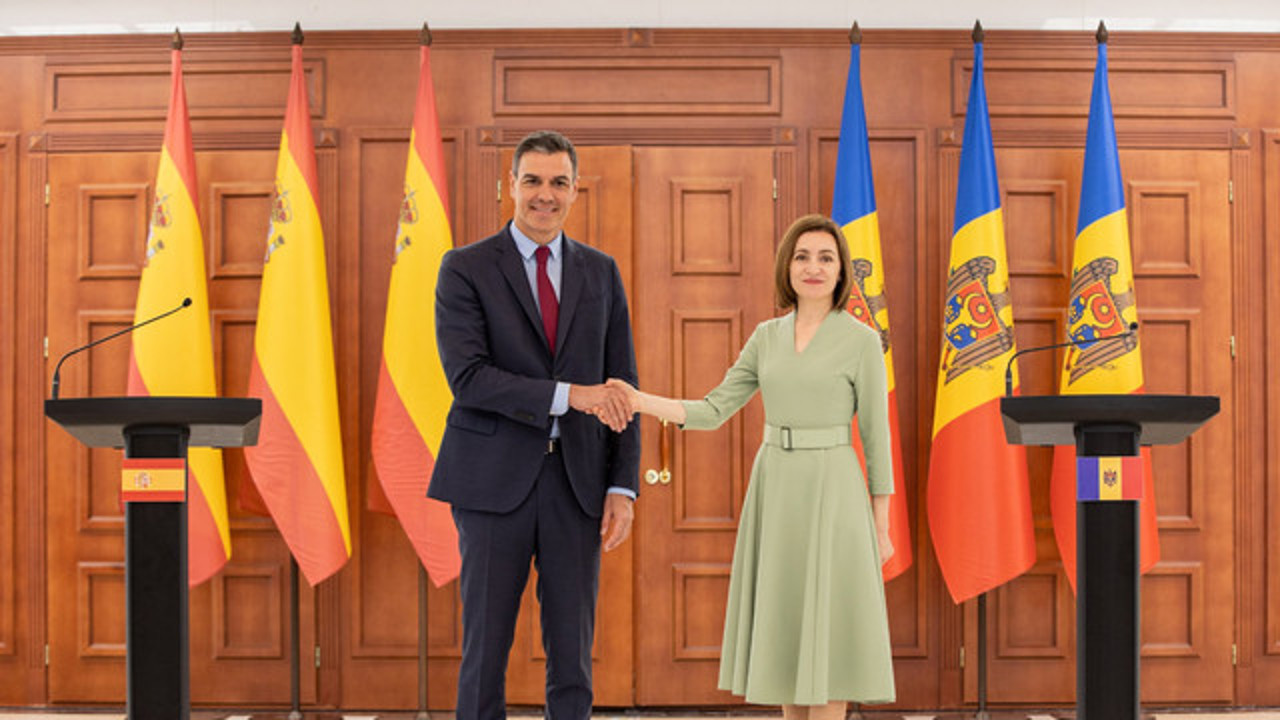
President Maia Sandu is among the 50 heads of state attending the forum from February 13 to 14. Her participation highlights Moldova’s efforts to navigate the security vacuum ahead of Donald Trump’s "Peace Council" meeting on February 19.
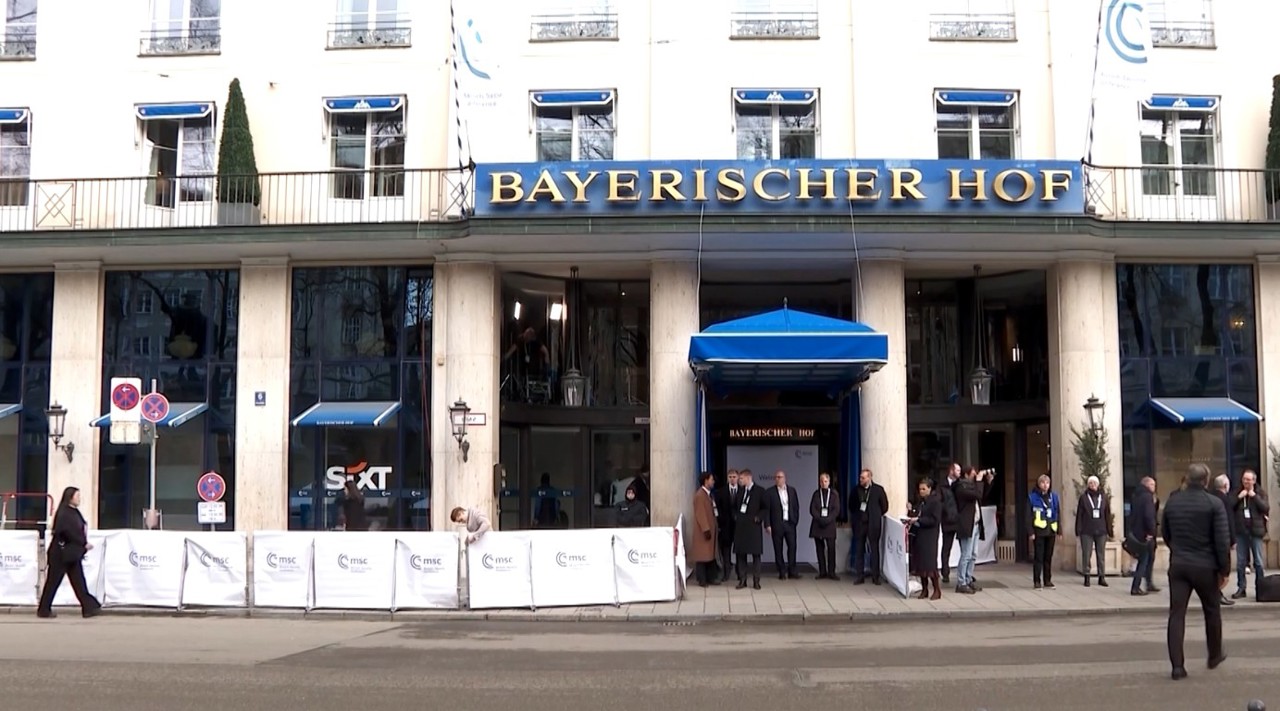
The security atmosphere in Munich is palpable. Over 5,000 police officers have secured the city center, creating a restricted perimeter for the 200 scheduled events and 65 participating heads of state.
EU Foreign Policy Chief Kaja Kallas will represent European interests in the upcoming debates on global governance. These discussions aim to redefine Europe's role as the previous international architecture faces significant disruption.
Translation by Iurie Tataru