Over 71 million lei invested in irrigation: 10 new projects for Moldovan farmers
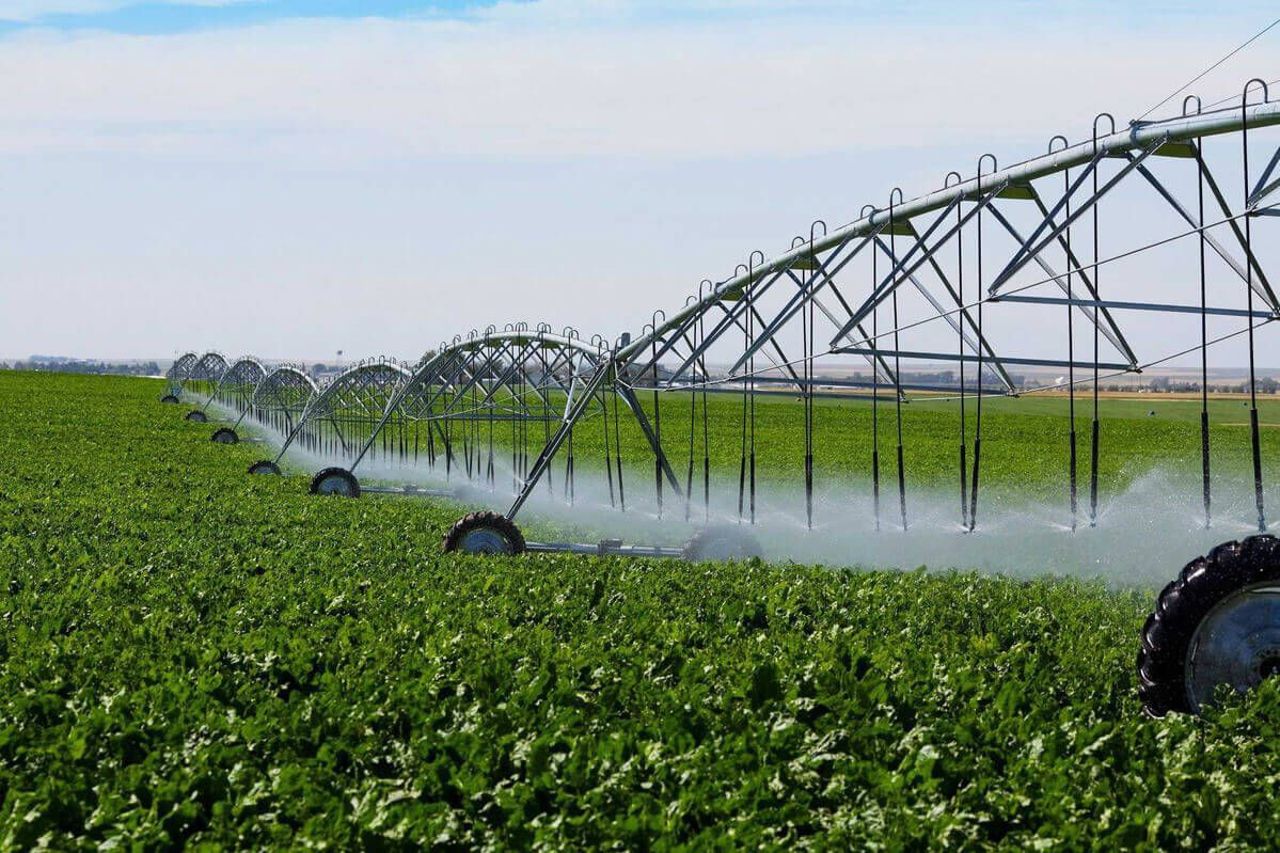
The Republic of Moldova is making progress in helping farmers deal with drought and climate change. The Ministry of Agriculture and Food Industry (MAIA), in collaboration with the Consolidated Unit for the Implementation of IFAD Programs (UCIP IFAD), has initiated the first tenders for the construction of modern irrigation systems.
The initial projects focus on constructing two irrigation systems: one in the village of Bălăurești, located in the Nisporeni district, and another in the village of Budești, within the Chișinău municipality. Additionally, a segment of an agricultural road in the village of Corestăuți, in the Ocnita district, will be modernized.
Authorities emphasized that developing irrigation infrastructure is a priority, especially given the increasing frequency of droughts. These new investments will facilitate more efficient water use, reduce energy consumption, and enhance agricultural productivity.
In February and March, seven more procurement procedures for irrigation infrastructure projects with economic benefits are set to be launched.
What the plan for 2026 provides
For 2026, 10 major projects are planned:
7 new irrigation systems in the districts of Ialoveni (Costesti), Nisporeni (Baleauresti), Chisinau municipality (Budesti), Donduseni (Plop), Soldanesti (Climautii de Jos), Rezina (Solonceni) and Ungheni (Floritoaia Veche).
Also, the rehabilitation of two reservoirs in Nisporeni and Cahul (Rosu village) and the modernization of an agricultural road in Ocnița district (Corestăuți).
The total value of the investments is 71.1 million lei. Of this amount, 62.7 million lei represents a grant provided through IFAD, and 8.4 million lei are the contribution of farmers.
The projects will build approximately 40 kilometers of pipelines, which will allow the irrigation of over 870 hectares of agricultural land. Approximately 306 farmers will benefit from these systems.
Through these investments, farmers and rural communities will have access to reliable water sources and modern technologies, essential to maintaining agricultural production in an increasingly unpredictable climate.