DW journalist on the “1+1” talks: “Chișinău takes the lead. Tiraspol could show more willingness to compromise”
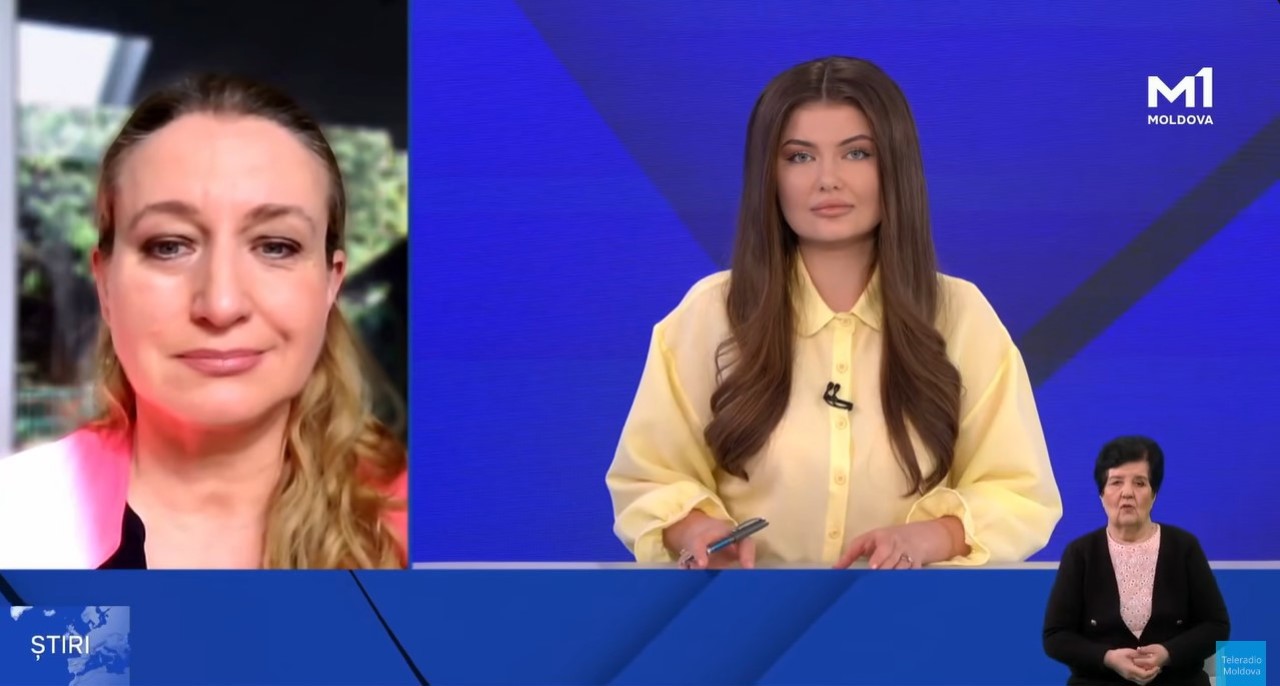
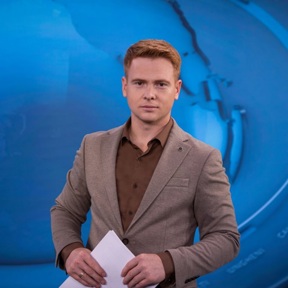
The resumption of dialogue between Chișinău and Tiraspol occurs in a complex regional context, shaped by economic pressure, the war in Ukraine, and Moldova’s European aspirations. “The important thing is that dialogue exists,” noted Deutsche Welle (DW) journalist Alina Kühnel on Moldova 1 TV.
According to Alina Kühnel, discussions should take place regularly whenever “issues arise on the agenda.”
“I think it’s important to remember that these talks come after President Maia Sandu revoked the citizenship of several separatist citizens yesterday. This likely adds pressure on the Tiraspol authorities in the current discussion format and may place Moldova in a position of strength, especially since Tiraspol has recently become fully dependent on Moldova,” Kühnel told Moldova 1 TV.
The journalist noted that she searched for news from Tiraspol but found “no media coverage, which speaks volumes about the West’s interest in what happens in the Transnistrian separatist region.”
To strengthen its negotiating position, Chișinău is trying to leverage the current context, she added.
“Given the worsening situation, which could lead to a humanitarian crisis, the (self-proclaimed) Tiraspol authorities may show greater willingness to compromise, because ultimately this concerns the lives of local citizens who need to be protected and supported,” Kühnel emphasized.
She noted that Moldova’s plan to gradually remove fiscal and customs privileges for businesses in the left bank could give the negotiations a more pragmatic tone.
“It sends a signal, putting renewed pressure on the authorities there and on the situation itself. I see this as a positive sign, because Chișinău is currently consistent in its approach to the separatist region, which is exactly what is needed under the present circumstances,” Kühnel stressed.
This consistency could strengthen Moldova’s negotiating position regarding the withdrawal of Russian troops: “Such a stance is commendable, although such a step is unlikely before peace is established in Ukraine.”
“It depends on the conditions of any peace agreement for Ukraine, especially if mediated by the United States—it’s hard to say. This is a frozen conflict, and frozen conflicts are unwelcome in the European Union, while Moldova aspires to full membership. If EU members participate in the final negotiations, it could be possible. If it remains under the current format, mediated by the US, it is unlikely,” Alina Kühnel concluded on the public TV channel.
Today, 26 February, political representatives from Chișinău and Tiraspol met at the OSCE Mission headquarters on the left bank of the Nistru. The Tiraspol meeting marked the first encounter between Deputy Prime Minister for Reintegration Valeriu Chiveri, who took office in November 2025, and Vitali Ignatiev, the separatist administration’s negotiation representative.
Alongside the resumed dialogue, Chișinău will begin gradually removing fiscal and customs privileges for businesses in the Transnistrian region. A special convergence fund will also be established to support the reintegration process.
According to Parliament Speaker Igor Grosu, these measures aim to strengthen economic ties between the two banks of the Nistru and create sustainable financing mechanisms for joint projects.
No official “1+1” meetings took place last year; the last round at this level occurred in November 2024. The extended “5+2” format remains suspended following Russia’s war against Ukraine, and in recent years dialogue has been limited to direct contacts between political representatives on both sides of the Nistru.