Ambassador: NATO is a key partner for Moldova’s security
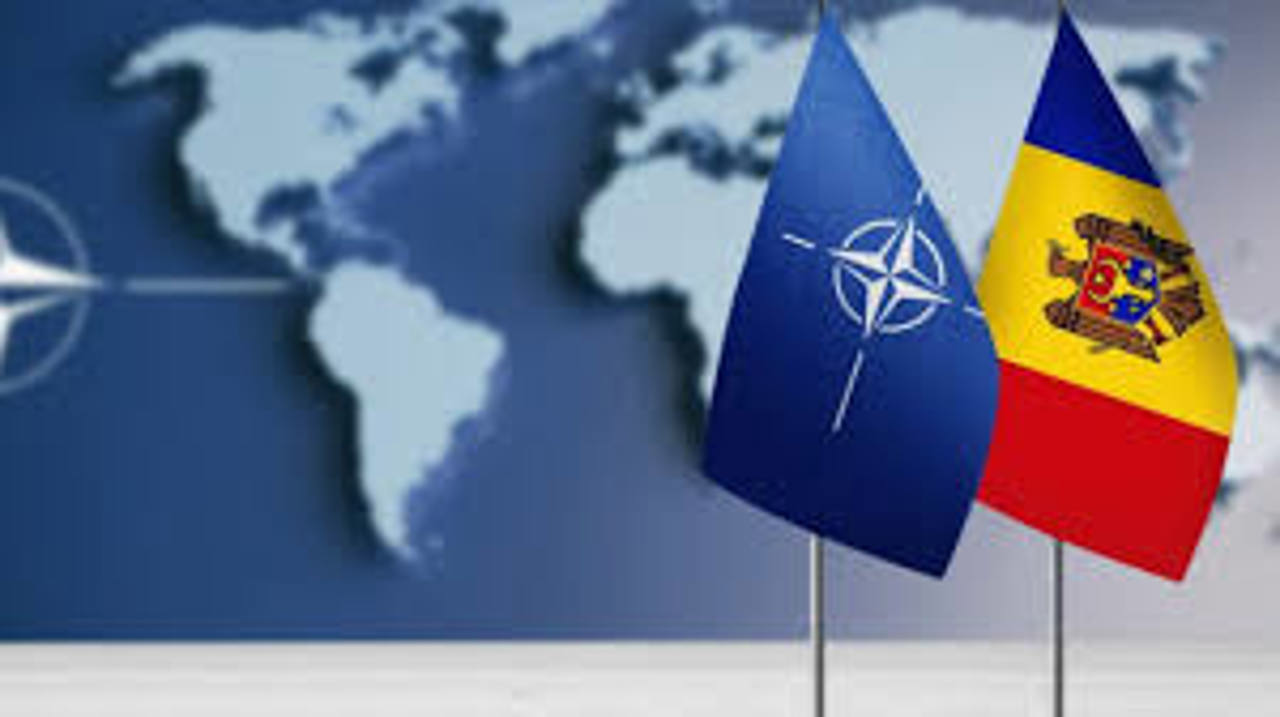
The Republic of Moldova must strengthen and diversify its security options in response to shifting geopolitical dynamics in the region. NATO is a key partner in this effort, as stated by Viorel Cibotaru, the Ambassador of the Republic of Moldova to the Kingdom of Belgium and the Grand Duchy of Luxembourg. These comments come during a time of heightened dialogue between Chisinau and NATO, particularly highlighted by the recent visit of Deputy Prime Minister and Minister of Foreign Affairs, Mihai Popșoi, to Brussels.
"The Republic of Moldova urgently needs to strengthen, broaden, and diversify its security options, and the North Atlantic Alliance (NATO) is an excellent partner in this respect," said the diplomat.
He explained that recent discussions between Moldovan officials and NATO representatives aim to adjust cooperation instruments and implement existing programs designed to enhance the country's defense capabilities. Currently, the Republic of Moldova is benefiting from several projects within the defense capabilities strengthening program, with a significant number already underway.
“Of the 18 projects launched under this program, approximately 12 to 13 are currently in full swing,” stated Cibotaru.
According to the diplomat, the cooperation programs with NATO target not only the Ministry of Defense but also other government institutions, including the Ministry of Internal Affairs. These projects aim to strengthen the Carabinieri, enhance strategic communication, and improve cyber resilience.
Referring to the recent visit of Deputy Prime Minister Mihai Popșoi to Brussels, the ambassador highlighted that a key focus was on political consultations with NATO and European Union officials. During these discussions, support for the sovereignty and territorial integrity of the Republic of Moldova was reiterated. The diplomat indicated that deepening dialogue with Western partners enhances Moldova’s security relations and fosters a closer partnership with NATO and EU member states.
“In many ways, the Republic of Moldova is regarded as a member of these organizations, even without all the necessary documentation for access to the decision-making process,” the ambassador emphasized, indicating that the country's strategic objective remains European integration.
Political analyst Mihai Isac noted that the increase in contacts between the Republic of Moldova and NATO reflects the geopolitical changes in the region following Russia’s invasion of Ukraine.
"The Republic of Moldova today is very different from what it was five years ago. The large-scale invasion of the Russian Federation against Ukraine has significantly altered the situation," the expert stated.
According to him, the dialogue between Chișinău and NATO is consistent with the Republic of Moldova's neutral status and represents a natural progression in the country's foreign relations.
It is worth mentioning that during a recent meeting in Brussels with NATO Secretary General Mark Rutte, Deputy Prime Minister and Minister of Foreign Affairs Mihai Popșoi stated that the Republic of Moldova is, after Ukraine, the country most affected by the consequences of Russia's war of aggression, facing an "intense hybrid war." At the same time, he emphasized that the country's resilience has been bolstered by the support of international partners, including NATO.
The NATO Secretary General acknowledged the developments in the Republic of Moldova and noted that the Alliance has been collaborating with Chișinău for over 30 years. Mark Rutte praised the resilience of the Moldovan authorities and society in the face of external pressures and thanked the Republic of Moldova for its support of Ukraine since the onset of the war. Additionally, Popșoi stated that the partnership with NATO has strengthened democratic institutions and state capacities, and that the authorities in Chișinău intend to deepen this cooperation alongside the European integration process.