Romania urges faster EU accession for Moldova ahead of the CoE ministerial session in Chișinău
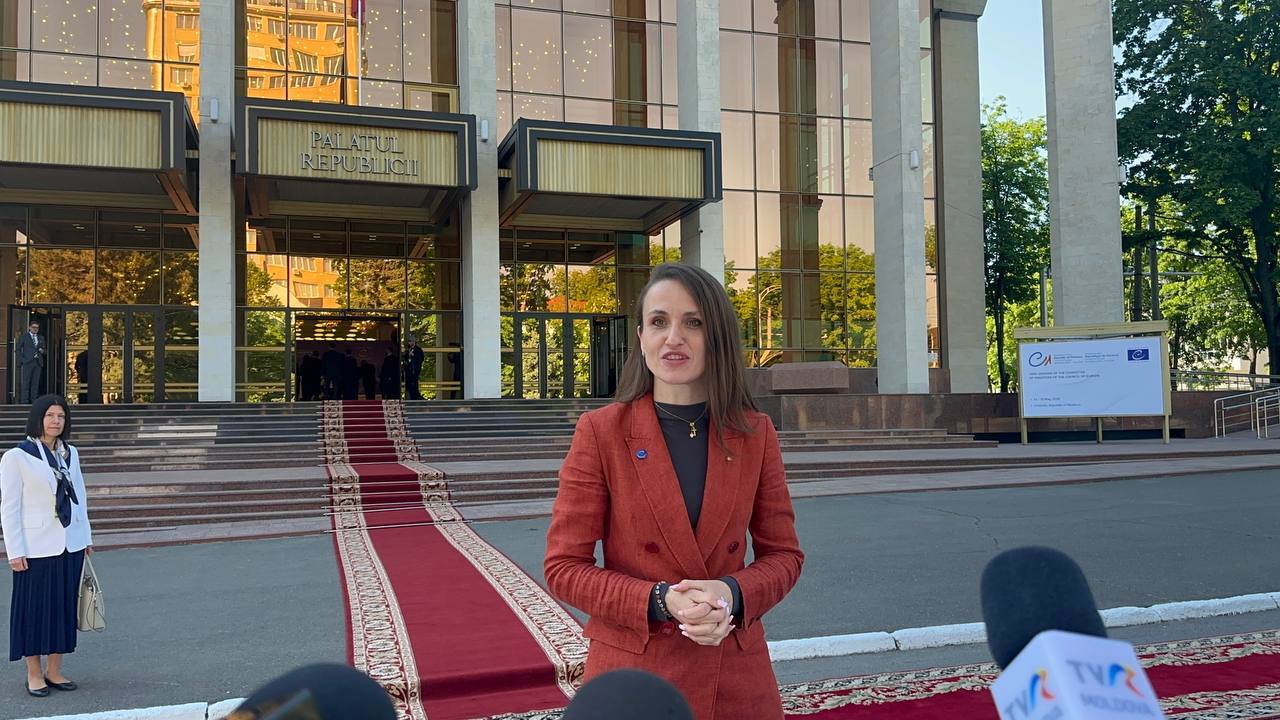
Romania advocates for the early opening of European Union accession clusters for the Republic of Moldova. This message was delivered in Chișinău by Romania's Minister of Foreign Affairs, Oana Țoiu, on May 15, prior to the commencement of the 135th Ministerial Session of the Committee of Ministers of the Council of Europe (CoE).
During the event, over 50 delegations from member states, including more than 20 foreign ministers, are expected to advance efforts to create a Special Tribunal for the crime of aggression against Ukraine. They will also work on developing common mechanisms to combat disinformation and foreign interference in elections.
Romanian Foreign Minister Oana Țoiu stated that Bucharest supports accelerating accession negotiations for the Republic of Moldova, Ukraine, and the Western Balkans.
“It is very clear that, at this moment, all clusters must be opened, negotiations must also begin with Ukraine, and we must advance with the Western Balkans,” the minister said in front of the Palace of the Republic, where the event is taking place.
According to her, the opening of negotiation chapters represents both a responsibility towards candidate states and a test for the credibility of the European Union.
“We are also talking about the commitments made by the European Union and its position in the world,” Oana Țoiu emphasized.
The Romanian Foreign Minister stressed that the enlargement of the European Union is essential for regional security in light of hybrid threats and external interference.
“We cannot risk having countries in the region unable to cope over time with hybrid threats and interference from other states. The way to ensure this collective security is through European integration,” the minister stated.
Additionally, Oana Țoiu reiterated Romania's strong support for the Republic of Moldova's European path and praised the reforms implemented by the authorities in Chișinău in recent years as part of their EU accession efforts.
“Romania is deeply committed to this European path. We have seen the reforms that the Republic of Moldova has implemented.”
During the meeting in Chișinău, Oana Țoiu, along with Deputy Prime Minister Mihai Popșoi, will host a roundtable discussion focused on resilience, combating hybrid threats, disinformation, and interference in electoral processes.
Alain Berset: "Europe needs unity in the face of pressures and hybrid threats."
Europe is currently facing significant pressures and challenges, and “cooperation between member states is essential,” stated Alain Berset, Secretary General of the Council of Europe, ahead of the Ministerial Session in Chisinau.
The official highlighted the Republic of Moldova's role during its presidency of the Council of Europe and the importance of the upcoming ministerial meeting in Chisinau.
According to Alain Berset, over 35 states are set to join the special tribunal addressing the crime of aggression against Ukraine. “This is a particularly important moment," he noted.
Berset also announced that today’s meeting agenda will include discussions on combating disinformation and foreign interference in electoral processes. “Moldova understands this issue well, but it is relevant for other states as well,” he added.
During the ministerial session in Chisinau, topics related to migration and the external strategy of the Council of Europe, which consists of 46 member states, will also be addressed.
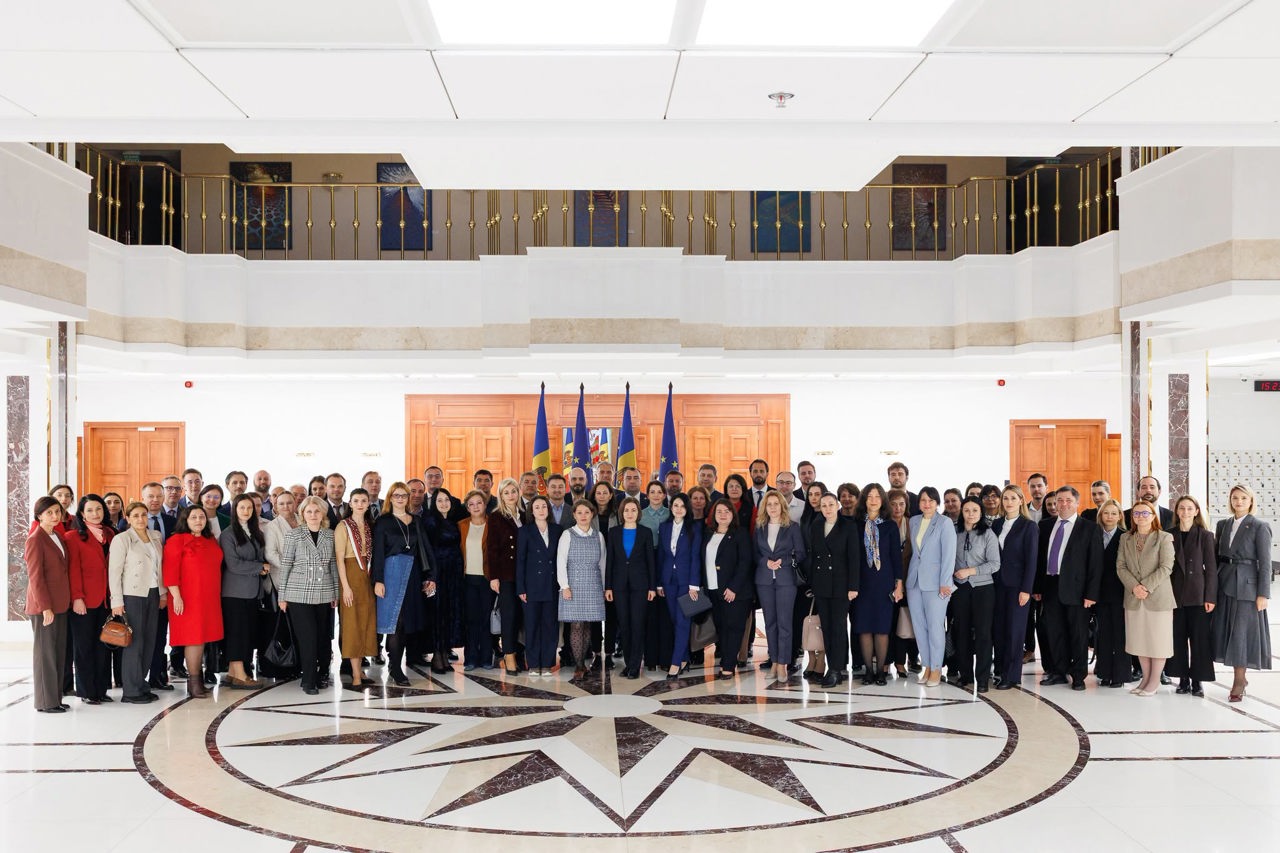
President Maia Sandu and Secretary General of the Council of Europe, Alain Berset, opened the ministerial session of the Committee of Ministers of the Council of Europe (CoE) on Friday, May 15, marking the conclusion of the Republic of Moldova’s term as chair of the organization. Over 50 delegations from member states were present in Chișinău, including more than 20 foreign ministers.
The meeting's agenda reflects the priorities set by the Republic of Moldova during its chairmanship. Key topics include continued support for Ukraine, with an emphasis on post-war responsibilities and reconstruction, combating disinformation and foreign interference, and strengthening security and democratic resilience.
Ministers will also discuss the Democratic Pact for Europe, the Council of Europe's future external action strategy, migration issues, and the enhancement of international cooperation and multilateralism. At the end of the event, the rotating presidency of the Committee of Ministers of the Council of Europe will be handed over to the Principality of Monaco.
The Republic of Moldova assumed the presidency of the organization on November 14 in Strasbourg. This marks the second time our country has held this position since its accession, the first being in 2003.