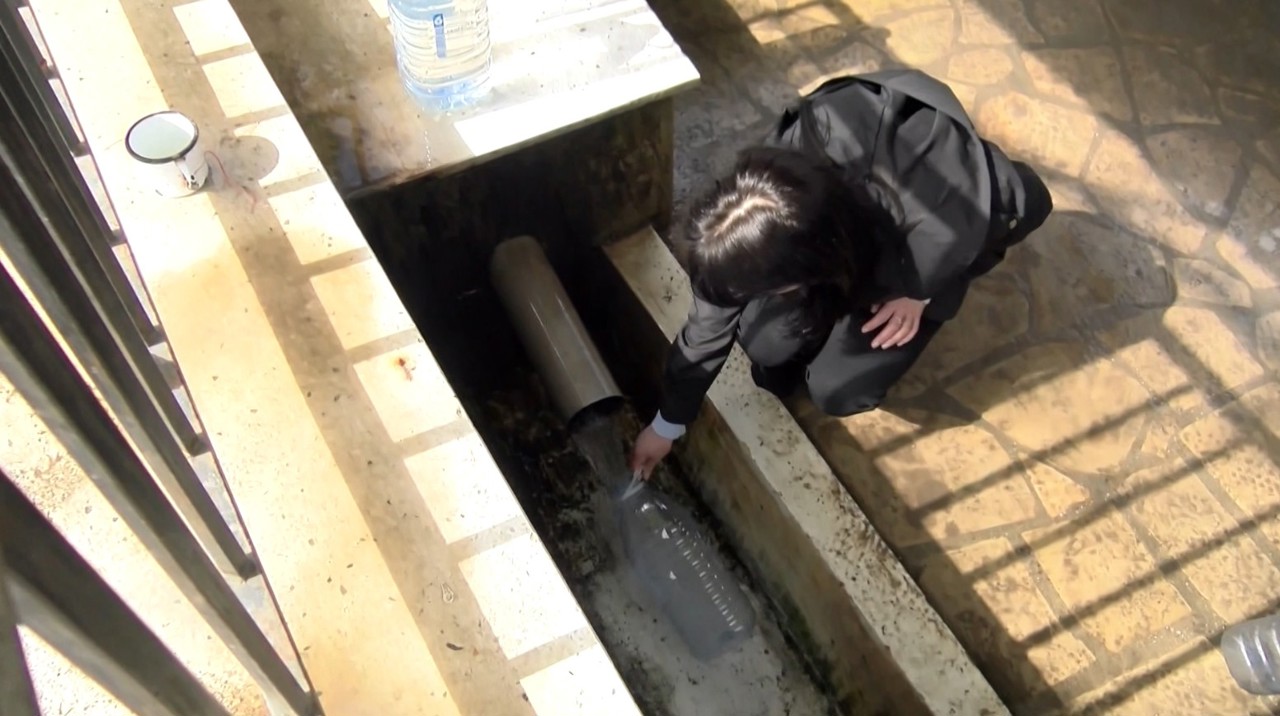
Northern Moldova water crisis: Authorities consider restoring supply amid Dniester river pollution
Authorities in the Republic of Moldova are evaluating the resumption of drinking water supplies in the northern regions following positive indicators from recent Dniester River samples. If these results are confirmed within the next 48 hours, domestic water services may be restored to thousands of residents.
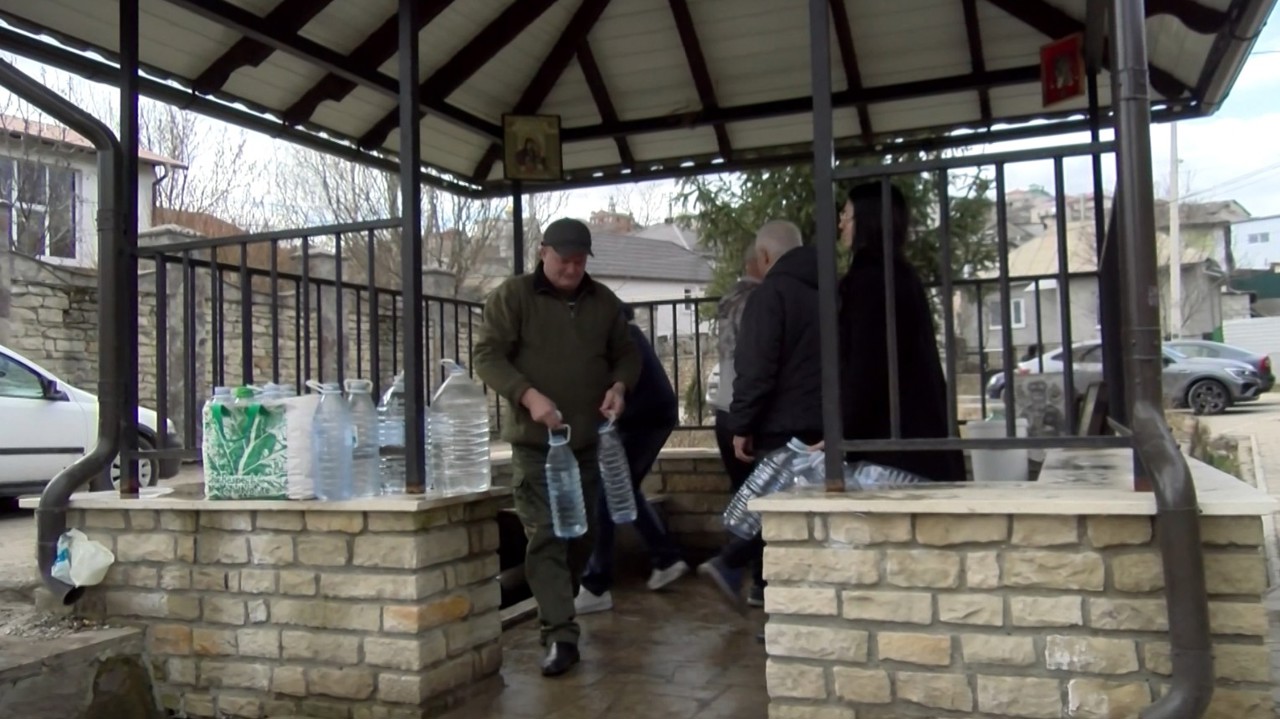
The municipality of Bălți has entered its sixth consecutive day without running water. Similar critical conditions are reported in Soroca, Sângerei, and Florești, where local infrastructure remains paralyzed by the environmental alert.
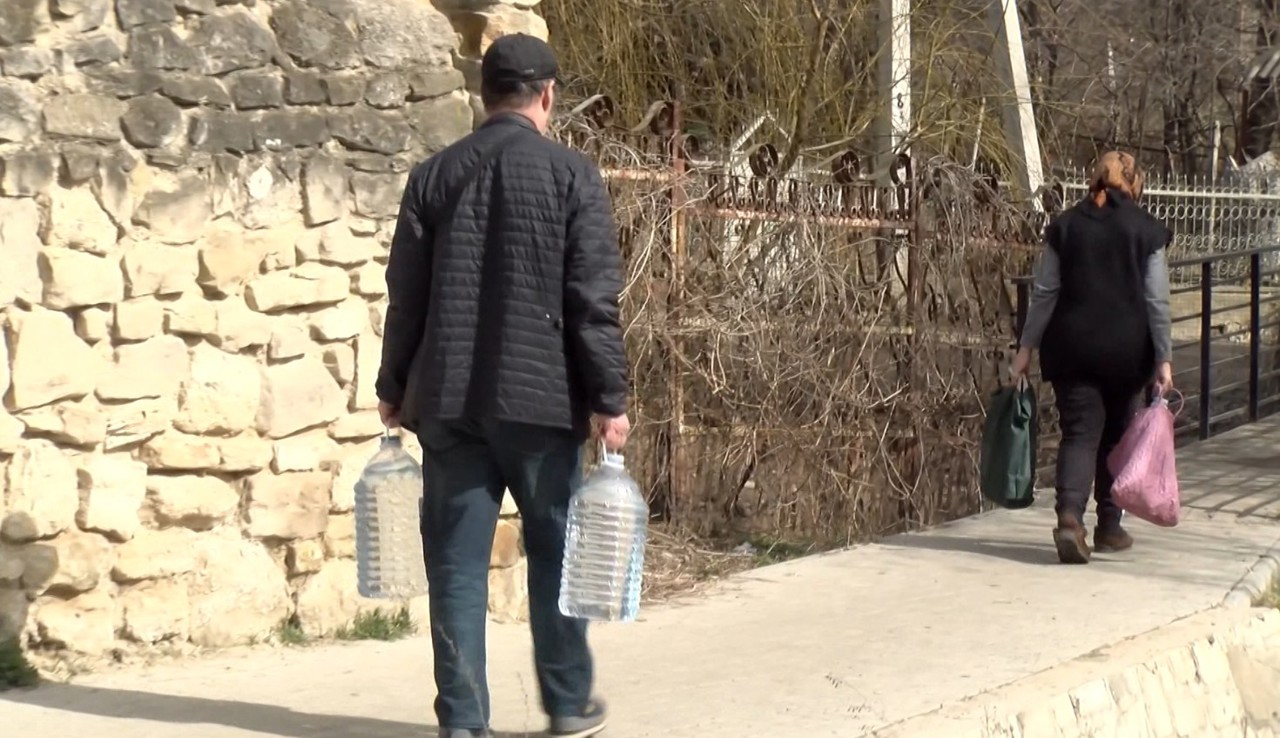
In response to the growing humanitarian need, the Moldovan Red Cross has distributed 21 tons of bottled water across five strategic locations in Bălți. Residents report depleted stocks in local retail stores and significant challenges in maintaining basic sanitation standards.
Impact on healthcare and strategic institutions
The Soroca Regional Hospital, currently treating 300 patients, faces the most severe risks. The facility is relying on daily water truck deliveries to maintain essential services, including sterilization, surgical operations, and food preparation.
"We cannot operate the kitchen or the laundry—strategic points for any medical institution—without a consistent water supply," stated Nina Spoială, Medical Vice-Director of the hospital.
Environmental risks and technical uncertainty
Laboratory tests conducted in Romania confirm the presence of petroleum products in the Dniester River. While authorities consider reopening the intake valves, ecologists warn of potential long-term damage to the distribution infrastructure.
Ilia Trombițchi, a prominent environmental expert, cautioned that restoring supply without identifying the specific chemical pollutants constitutes a high-risk political decision. Such a move could lead to health complications and the permanent degradation of the regional aqueduct system.
Chronology of the ecological incident
March 18 marks the eighth day since the initial hydrocarbon leak was detected in the Dniester. While Ukrainian authorities initially estimated the spill at approximately 1.5 tons, the Moldovan Ministry of Environment suggests the actual volume could be significantly higher.
A formal state of environmental alert has been in effect since March 16.
Translation by Iurie Tataru