Smart tech bridges educational gap for Moldovan children with disabilities
A strategic partnership between the Czech Government and local authorities is transforming inclusive education in rural Moldova. At the Ion Luca Caragiale High School in Orhei, a specialized resource center is now utilizing advanced assistive technology to integrate children with autism and speech impairments into the formal school system.
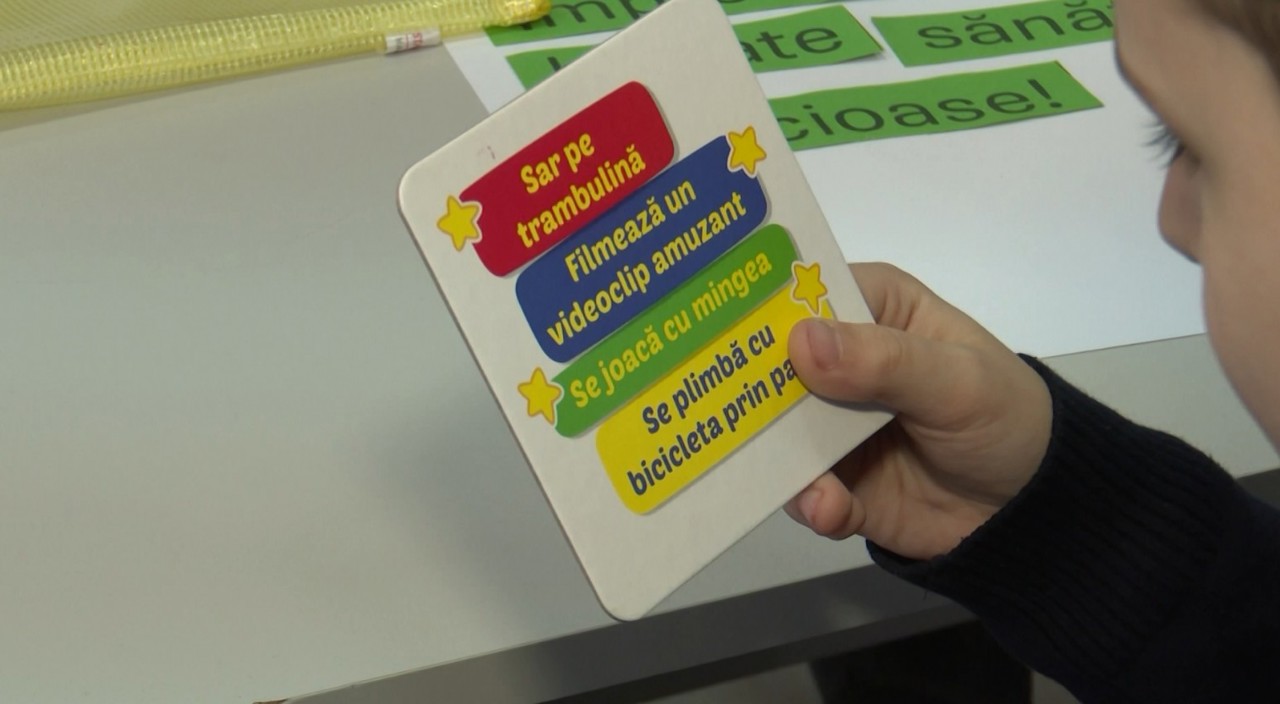
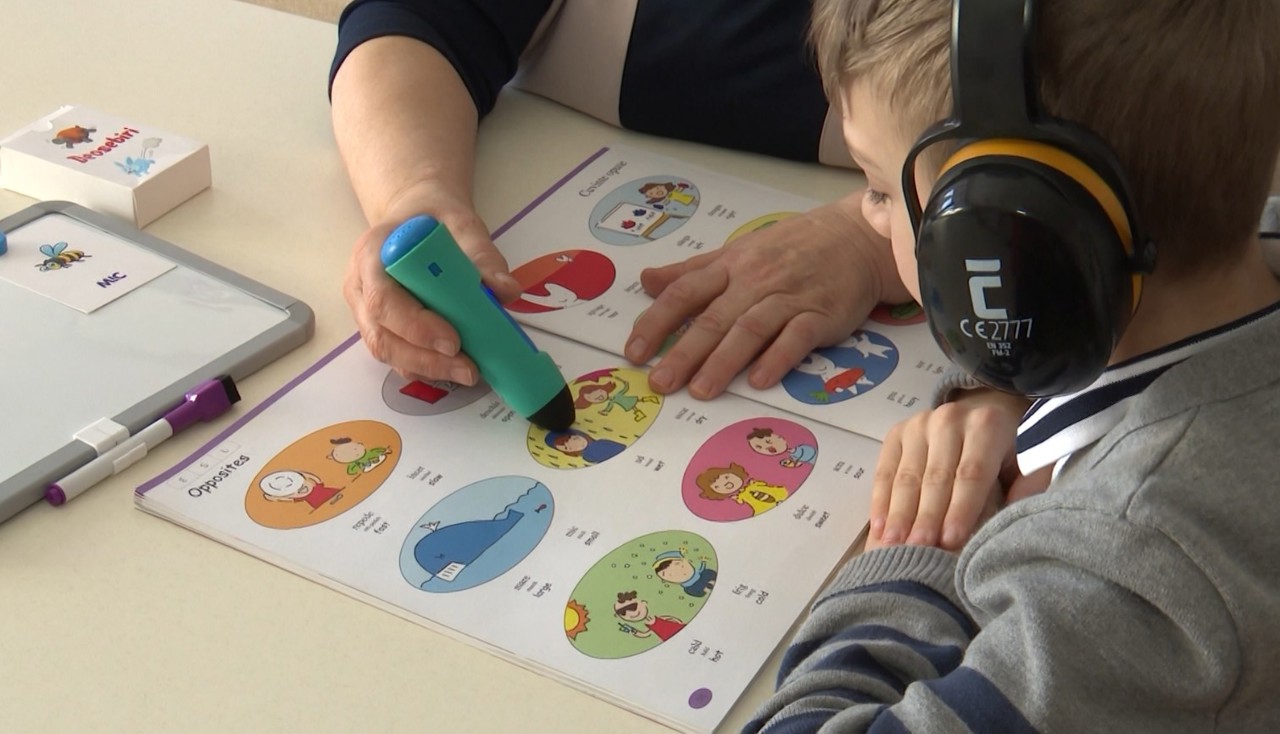
The initiative, funded by the Czech Republic with an investment of €51,000 (approx. 1,000,000 MDL), addresses a critical shortage of specialized services outside the capital, Chisinau. The project has equipped five institutions across the country with interactive boards, tablets, and AI-powered scanning pens designed to reduce cognitive barriers for students.
Bridging the regional resource gap
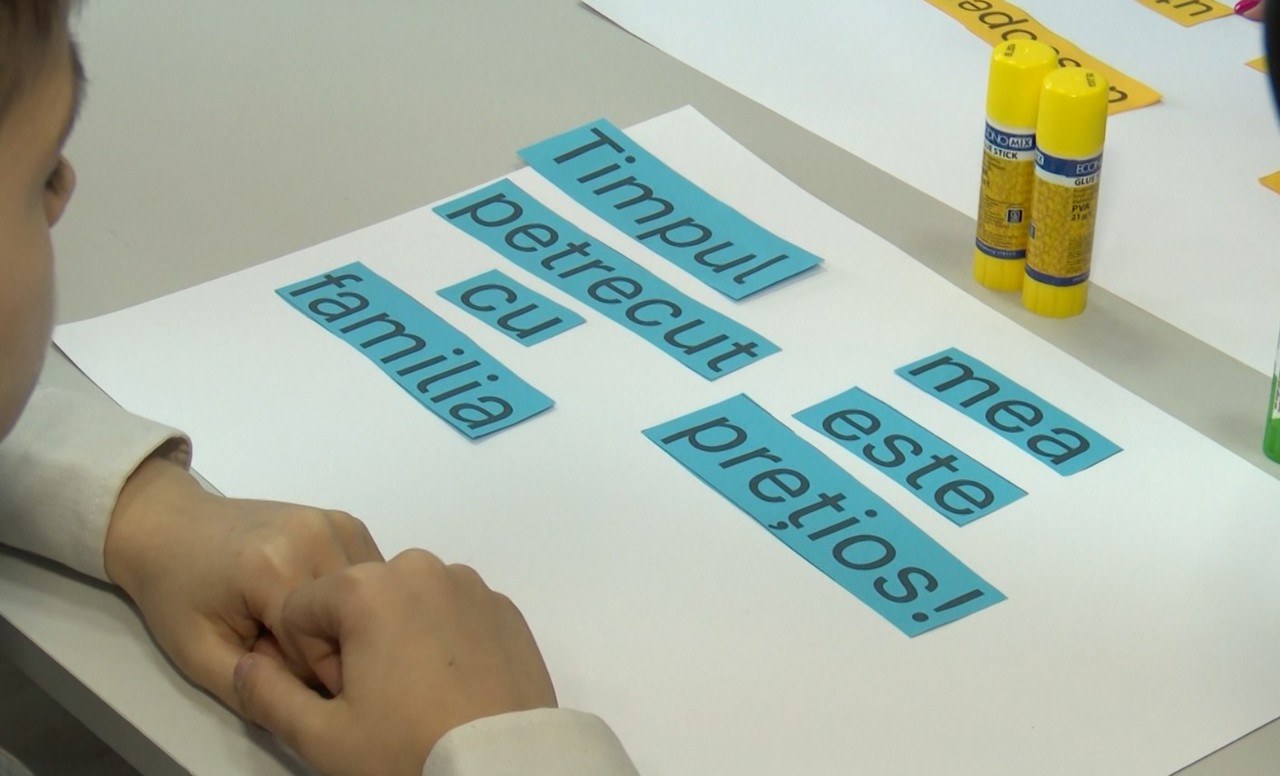
While private clinics offer support in Chisinau, families in regional districts often lack access to diagnostic and therapeutic tools. The Orhei center provides a tailored curriculum that includes speech therapy, cognitive stimulation, and immersive role-playing exercises.
"My son has become significantly more autonomous since joining the program," noted one parent. Educators at the center emphasized that before receiving this high-tech equipment, they lacked the necessary tools to effectively manage complex speech and hearing deficiencies.
A long-term commitment to social reform
The project is implemented by the NGO People in Need (PIN) as part of a broader strategy to support the Moldovan social sector. According to PIN Country Director Rafał Chibowski, the current phase focuses on finalizing methodological guides and empowering local civil society to monitor public policy implementation.
"The Czech Republic has supported Moldova since 2018, with the social sector—specifically support for families of children with autism—remaining a top priority," stated Barbora Charvatová, Counselor at the Czech Embassy in Chisinau. This marks the third phase of Czech involvement in strengthening Moldova’s autism support infrastructure.
Translation by Iurie Tataru