Moldova marks Purple Day as 60,000 battle epilepsy stigma

Approximately 60,000 people in Moldova live with epilepsy, a chronic neurological condition that remains shrouded in social misconception despite significant medical progress. On March 26, the country joined the global community in marking "Purple Day" to increase awareness and support for those affected.
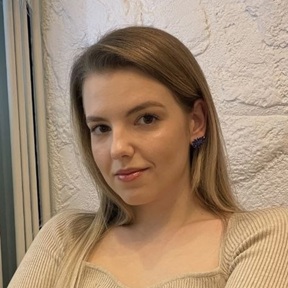
For many patients, the challenge is twofold: managing the condition and navigating public prejudice. Ecaterina Goncerenco, 38, suffered her first seizure at age 13. Today, she leads a stable life by strictly following her medical regimen.
"I have experienced severe seizures, but I can now control them," Goncerenco said. She emphasized that adhering to prescribed treatments is essential for maintaining a normal lifestyle.
However, social stigma remains a significant hurdle. Aurel Chiosea, who was diagnosed nearly ten years ago, noted that bystanders often misinterpret seizures as public intoxication.
"It can happen on public transport or in the street. People look at you and don't understand; they think you are drunk," Aurel explained. While his seizures can involve convulsions, he noted that he recovers quickly with proper care.
Modern medicine offers new hope for those with drug-resistant forms of the condition. Dr. Diana Dragan, an epileptologist, highlighted advanced treatments now available, including Vagus Nerve Stimulation (VNS) and Deep Brain Stimulation (DBS).
These minimally invasive procedures are designed for patients who do not respond to traditional anti-epileptic medication.
The National Epileptology Center, based at the Institute of Emergency Medicine, currently monitors 10,000 patients. Experts stress that with early diagnosis and modern therapy, the majority of people with epilepsy can lead active, fulfilling lives.
Purple Day was founded in 2008 by Cassidy Megan, a young Canadian girl, to remind patients worldwide that they are not alone.
Translation by Iurie Tataru