US intelligence warns of resilient Iranian arsenal despite Operation Epic Fury strikes
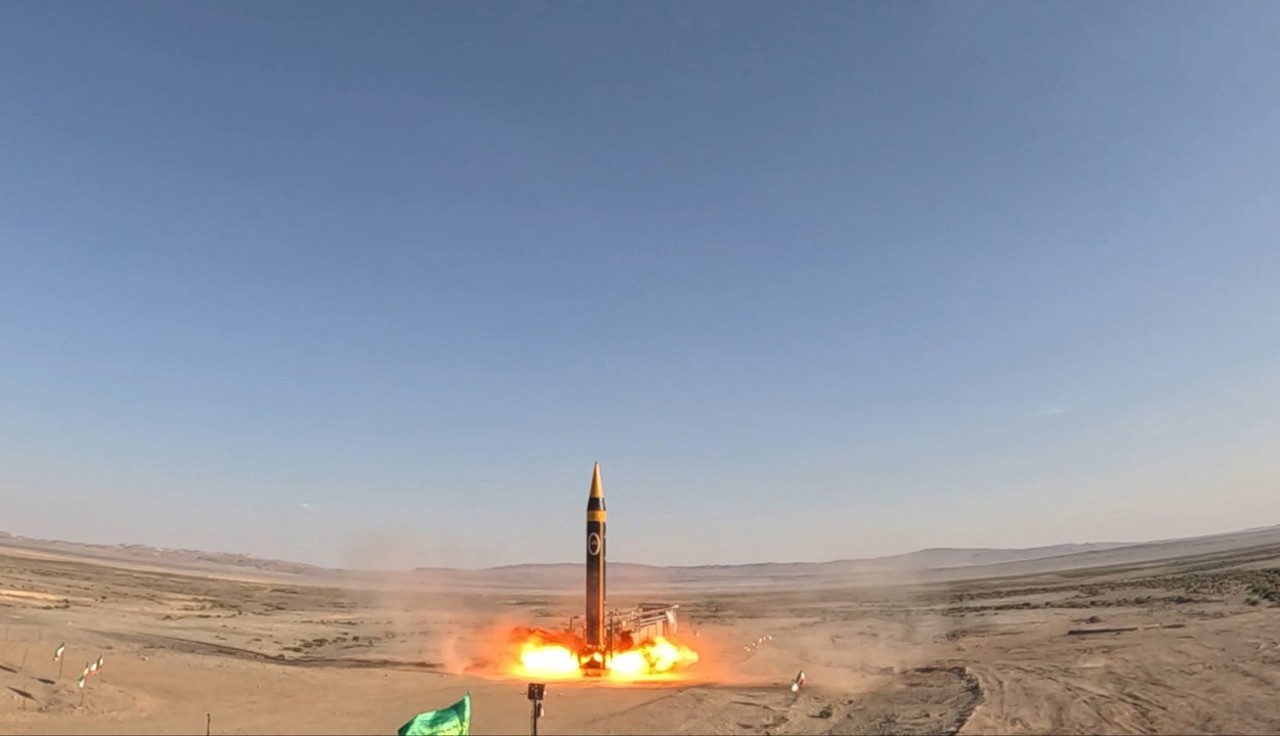
Despite five weeks of intensive daily strikes by U.S. and Israeli forces, nearly half of Iran’s missile launchers and thousands of attack drones remain intact, according to the latest U.S. intelligence assessments.
Sources familiar with the data told CNN that Tehran’s strategic depth, characterized by extensive underground tunnel networks, has shielded a significant portion of its offensive capabilities. "They remain fully prepared to initiate absolute chaos across the region," one official noted.
Subterranean resilience and coastal defense
The intelligence report indicates that many launchers, while currently inaccessible due to collapsed entrances or debris, have not been destroyed. Furthermore, Iran’s coastal defense cruise missiles remain largely functional, as the U.S.-led air campaign has prioritized immediate regional threats over littoral assets.
This assessment offers a stark contrast to the rhetoric originating from the White House. On Wednesday, President Donald Trump stated that Iran’s military factories and launchers had been "torn to pieces," claiming the regime's capacity to strike was "drastically reduced."
Conflicting metrics of success
Pentagon officials have pointed to a 90% decline in the frequency of ballistic missile and kamikaze drone attacks since the start of the conflict. Secretary of Defense Pete Hegseth emphasized that while Iran may still possess hardware, its operational will and launch frequency have been severely degraded.
However, the U.S. Central Command (CENTCOM) confirmed that while over 12,300 targets have been hit and top leaders—including Supreme Leader Ali Khamenei—have been eliminated, the physical inventory of the Islamic Revolutionary Guard Corps (IRGC) remains formidable.
The Strait of Hormuz bottleneck
The IRGC Navy continues to hold approximately 50% of its capacity, including hundreds of fast attack craft and unmanned surface vessels. This complicates U.S. efforts to permanently reopen the Strait of Hormuz, a vital global energy artery.
Strategic analysts suggest that while U.S. and Israeli forces maintain "overwhelming air supremacy," the final stages of neutralizing Iran’s "hidden" arsenal could take much longer than the two-to-three-week timeline recently suggested by the administration.
Translation by Iurie Tataru