Religious tourism in Republic of Moldova: churches and monasteries preserve faith and cultural heritage
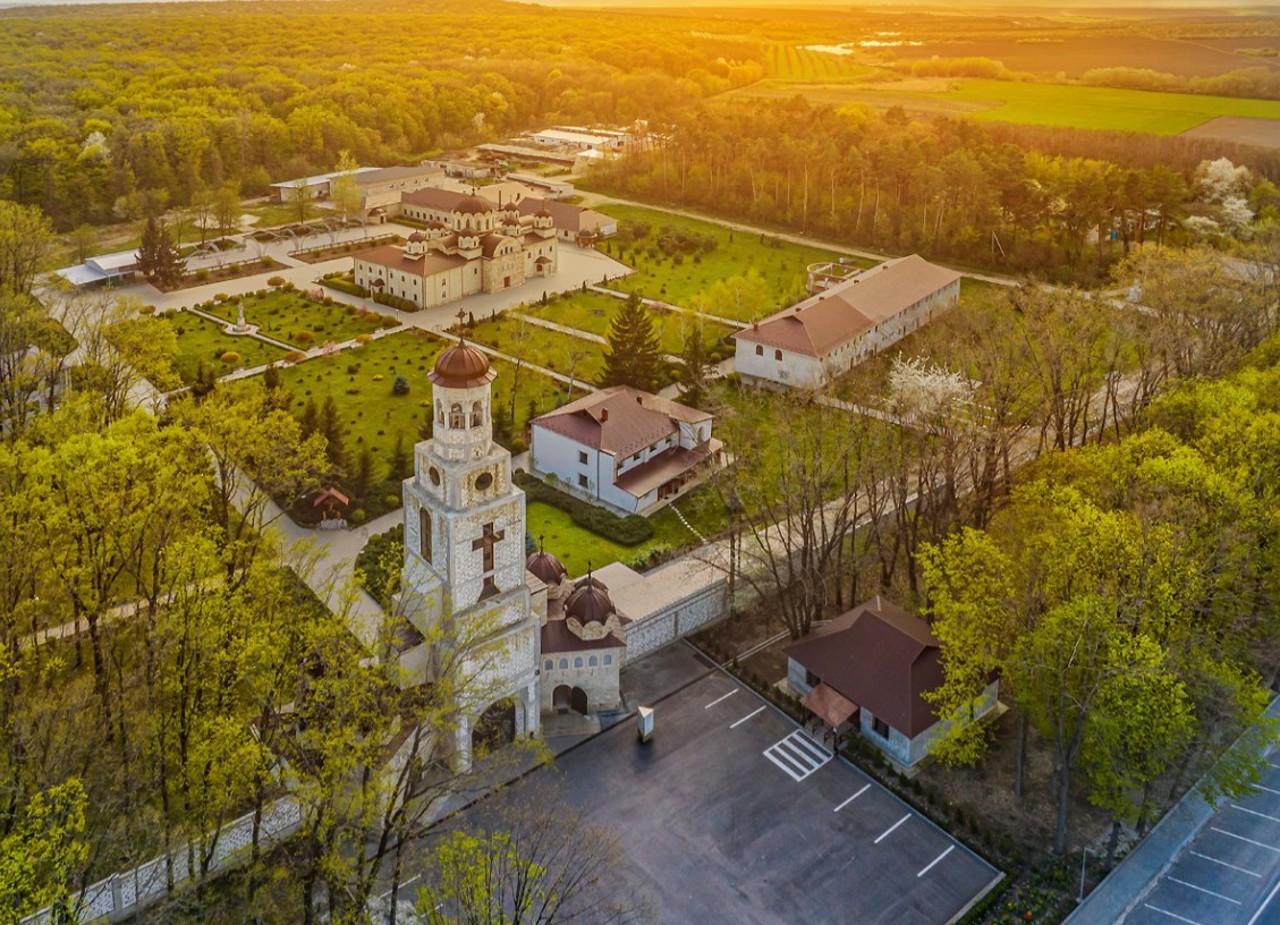
Religious tourism in the Republic of Moldova is increasingly attracting visitors who are interested in the country's spiritual, architectural, and cultural heritage. While it has deep historical roots, this form of tourism has evolved over time. Today, it encompasses not only pilgrimage but also a rich cultural experience for tourists visiting sacred sites.
According to tour guide Elena Scobioală, religious tourism—originally known as pilgrimage—has existed since the early and middle Middle Ages. Its purpose has always been to visit religious buildings of spiritual significance.
"Churches and monasteries are not only carriers of faith but also represent our cultural, historical, and architectural heritage. We are certainly discussing a significant spiritual importance", the guide said on the “Dimineata cu Radio Moldova” show.
In addition to their religious roles, the architecture of these buildings is a major attraction for visitors.
"Churches serve as a connection to our ancestors and our spiritual culture. The ecclesiastical structures draw interest from both foreign tourists and Moldovans who choose to visit them," Elena Scobioală added.
Religious tourism manifests in several forms: pilgrimages, visits to holy places, religious camps for young people, or organized tours, whether individually or in groups.
The most active monasteries in the Republic of Moldova are located primarily in the country's central region.
"We have approximately 45 active monasteries in the central part. The northern region follows in second place, while the south also has significant potential," the guide stated.
Of special interest are the cave monasteries situated along the Nistru and its tributaries. Some of the most notable include the Țâpova Cave Monastery, the Butuceni Cave Monastery, the Japca Cave Monastery, and the Saharna Cave Monastery, which are considered true symbols of national religious tourism.
One of the most renowned religious routes in the Republic of Moldova is the “Cross of the Monasteries” circuit in the Călărași district. This route features four monasteries arranged in a cross shape: Hârjauca, Hârbovăț, Frumoasa, and Răciula.
"From a bird's eye view, these monasteries form a cross, making the route particularly attractive for pilgrims," the guide explained.
The Republic of Moldova is also recognized for its medieval monasteries, which have been built since the 15th century. These structures are notable for their Byzantine influences and the monastic traditions preserved to this day.
Among the most representative are the Căpriana Monastery, the Curchi Monastery, the Vărzărești Monastery, and the Zăbriceni Monastery.
The capital city is home to 24 churches listed in the National Register of Monuments, which are often part of organized religious tourist routes.
Additionally, the Japca Monastery is the only monastery in the country that remained open during the Soviet era, while the Church of the Assumption of the Virgin Mary in Causeni is one of the most valuable medieval religious monuments in the country's southern region.
Currently, there are approximately 1,500 Orthodox churches and around 50 monasteries operating in the Republic of Moldova. This indicates the significant potential for religious tourism and the growing interest in valuing the national spiritual heritage.