Chisinau real estate hits historic low as sales plummet 60%
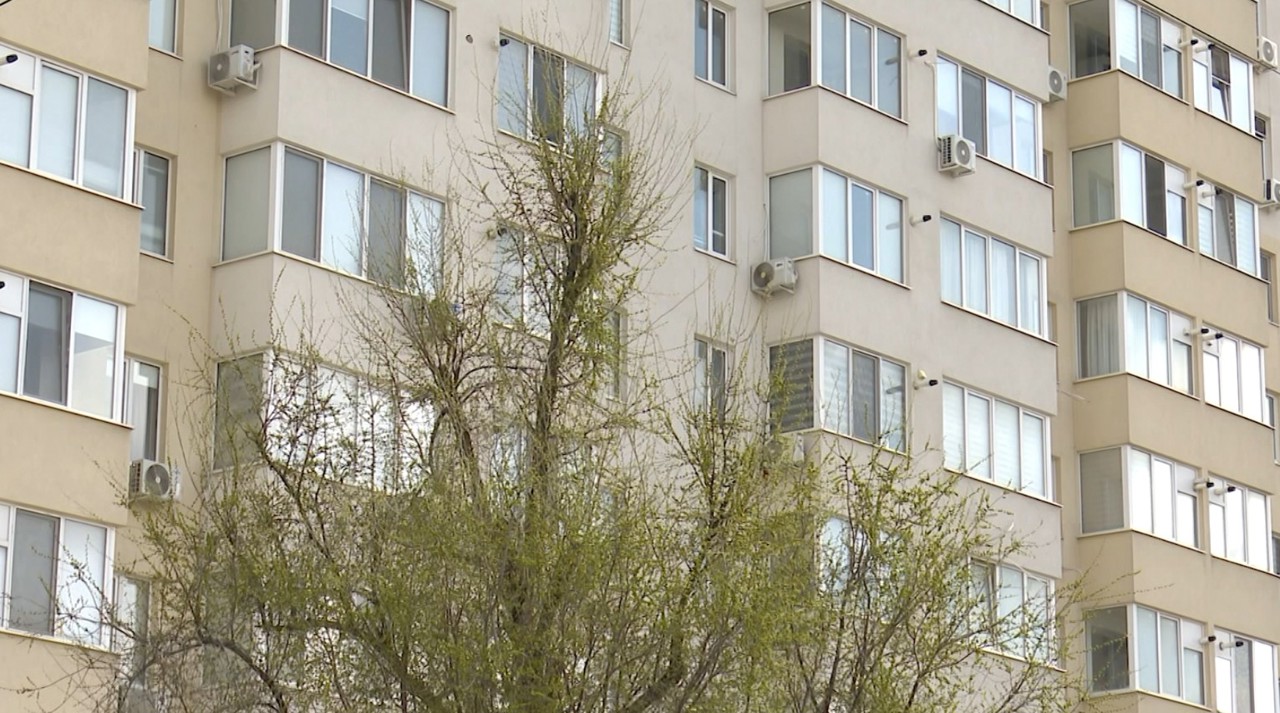
The real estate market in Chisinau is experiencing an unprecedented paralysis as transaction volumes collapse to record lows. Driven by soaring prices and a climate of geopolitical uncertainty, the capital saw only 623 apartment sales in the first quarter, a sharp decline from the 2,000 transactions recorded during the same period last year.
The affordability gap
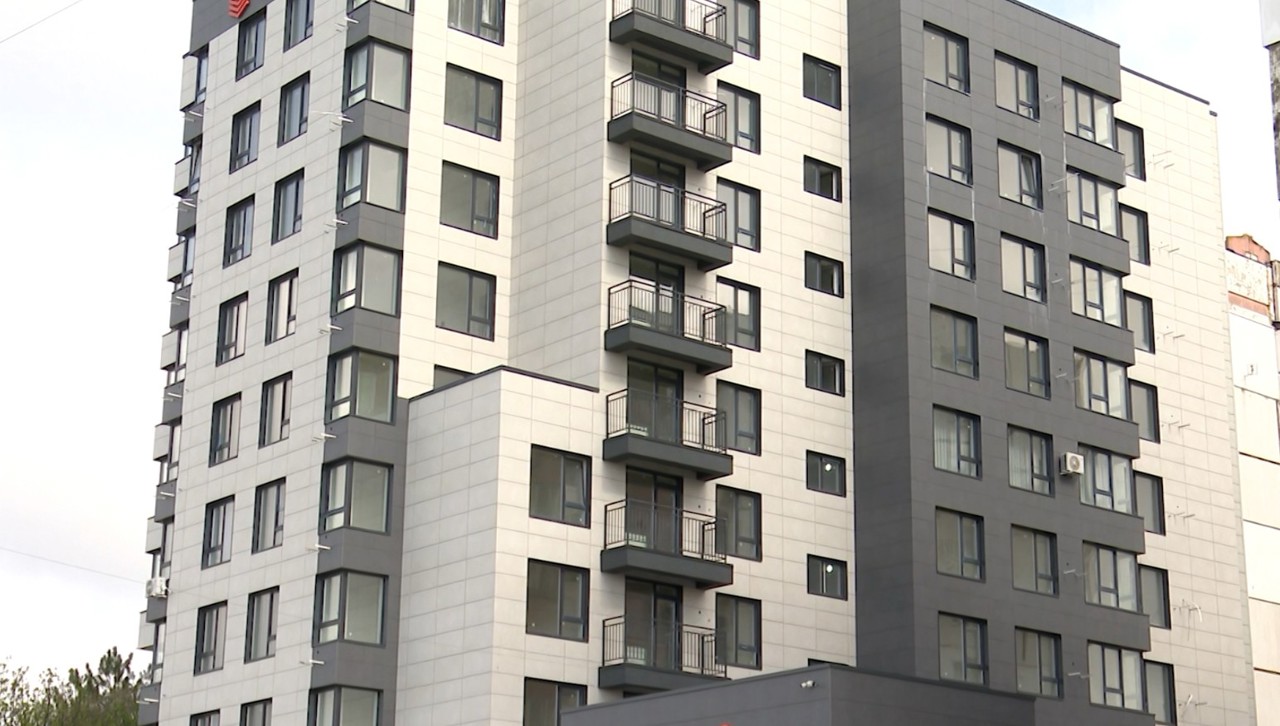
The average price for an apartment in Chisinau now stands at €1,700 (approx. 33,320 MDL) per square meter. For a standard 50-square-meter residence costing €85,000 (approx. 1,666,000 MDL), a citizen earning the average monthly salary of €888 (approx. 17,400 MDL) would need to save their entire income for eight years to complete a purchase.
Local buyers report that without foreign-earned income, purchasing property has become nearly impossible. This sentiment is echoed by real estate experts who note that "speculative investors" have largely exited the market, leaving a void that organic demand cannot fill under current lending conditions.
Structural and geopolitical hurdles
Experts attribute the stagnation to a combination of factors, including the proximity of the conflict in Ukraine and rising inflation affecting mortgage costs. Real estate analyst Victor Cernomorcenco noted that the reduction in funding for state programs like "Prima Casă Plus" is further tightening the market, reducing the number of eligible borrowers.
Additionally, new fiscal regulations—such as a cash transaction ceiling equivalent to 75 average salaries—have exerted "invisible pressure" on final buyers. Currently, nearly 70% of remaining transactions are dependent on mortgages, making the market highly sensitive to interest rate fluctuations.
Future outlook
There is a slight glimmer of hope for prospective buyers. Industry analysts project a potential price correction of approximately 7% by the end of the year as developers struggle with liquidity.
Construction companies are currently facing significant funding shortages to complete ongoing projects, as the traditional model of pre-construction sales has stalled. Buyers are increasingly hesitant to invest in unfinished developments, prioritizing immediate occupancy over long-term risk.
Translation by Iurie Tataru