Armenia commemorates 111 years since the 1915 Genocide
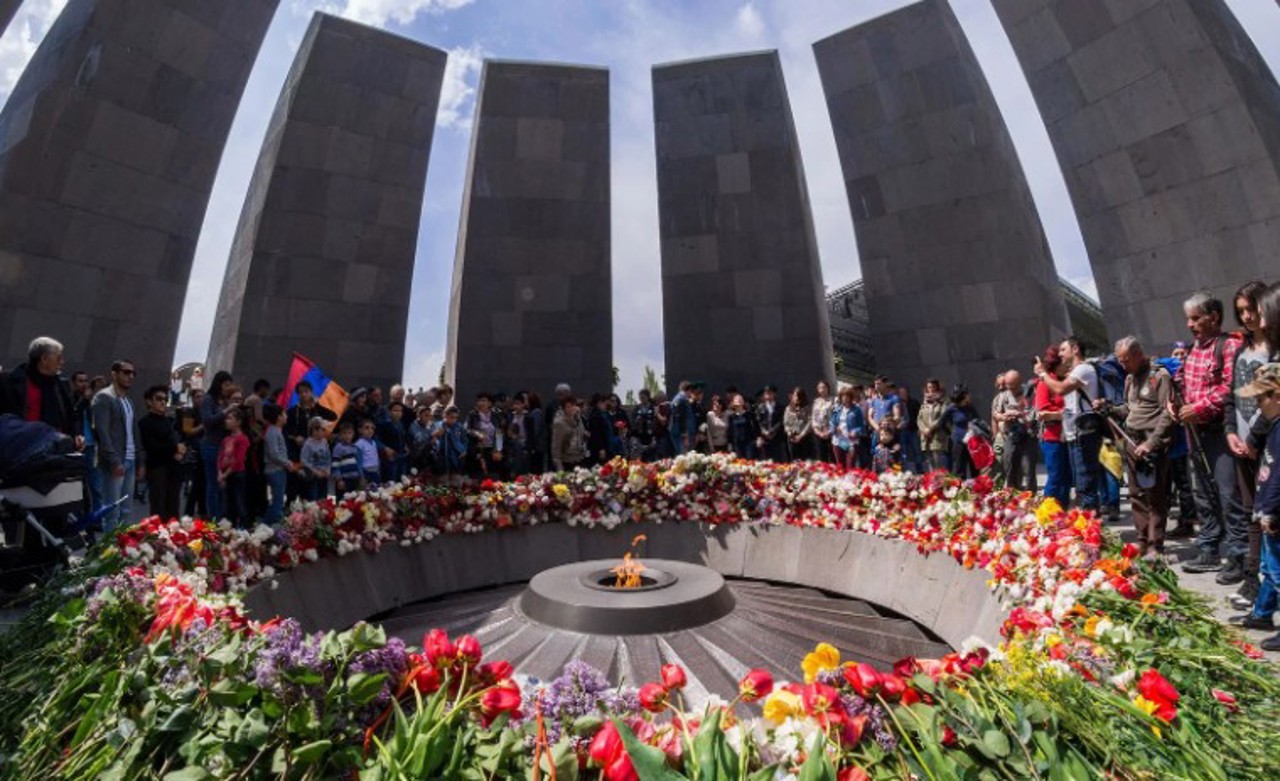
Thousands of citizens and officials gathered at the Tsitsernakaberd Memorial on April 23 and 24 to honor the 1.5 million victims of the Armenian Genocide.
The 111th anniversary of the 1915 atrocities began with a traditional torchlight procession from Republic Square. Participants laid a sea of flowers around the eternal flame, symbolizing a century of collective grief and resilience.
Global remembrance and diaspora role
Similar commemorations took place across major global hubs, including Paris, London, and Los Angeles. These events highlight the Armenian diaspora's pivotal role in seeking international recognition for the historical tragedy.
The global scale of these rallies underscores the persistent demand for justice. For many, the memory of 1915 remains the cornerstone of Armenian national identity and foreign policy.
Geopolitical tensions and Turkish denial
The marches carried heavy political undertones, with participants criticizing Turkey's continued refusal to officially recognize the events as genocide. Tensions are further exacerbated by Ankara's support for Azerbaijan following the 2023 Nagorno-Karabakh conflict.
While Armenia and Turkey have initiated limited diplomatic steps, such as resuming direct flights, the border remains closed. Public mistrust persists, as Armenians view genocide recognition as a non-negotiable prerequisite for true reconciliation.
A legacy of forced marches
The Ottoman-era extermination was orchestrated through forced "death marches" into the Syrian desert. Hundreds of thousands perished from exhaustion, starvation, and systematic violence during these journeys to Deir ez-Zor.
The campaign began on April 24, 1915, with the arrest and execution of Armenian intellectuals. Historians estimate that between 600,000 and 1.5 million people died during the state-sponsored massacres and deportations.
Translation by Iurie Tataru
🙏🇦🇲💔 Today in Armenia marks the Day of Remembrance for the victims of the Armenian Genocide.
— GlobalHye (@GlobalHye) April 24, 2026
111 years have passed since that day.
Today—for the 28th time—a torchlight procession attended by thousands took place in Yerevan, leading to Tsitsernakaberd.#Armenia #Armenians… pic.twitter.com/AlwpVvz1hz