Maia Sandu in Ukraine honoring Chernobyl victims
The nuclear accident at Chernobyl, which occurred 40 years ago, showed that disasters do not respect borders. It also highlighted the strength of international solidarity. President Maia Sandu is visiting Ukraine on April 26 to honor "those who gave their health or even their lives to protect Europe from an even greater tragedy."
"The arch that stands above the contaminated reactor demonstrates that countries can achieve extraordinary things when they work together. We need the same unity and determination today to safeguard peace in Europe. The Republic of Moldova belongs with those who choose to build, not to destroy," Maia Sandu wrote on her Facebook page.
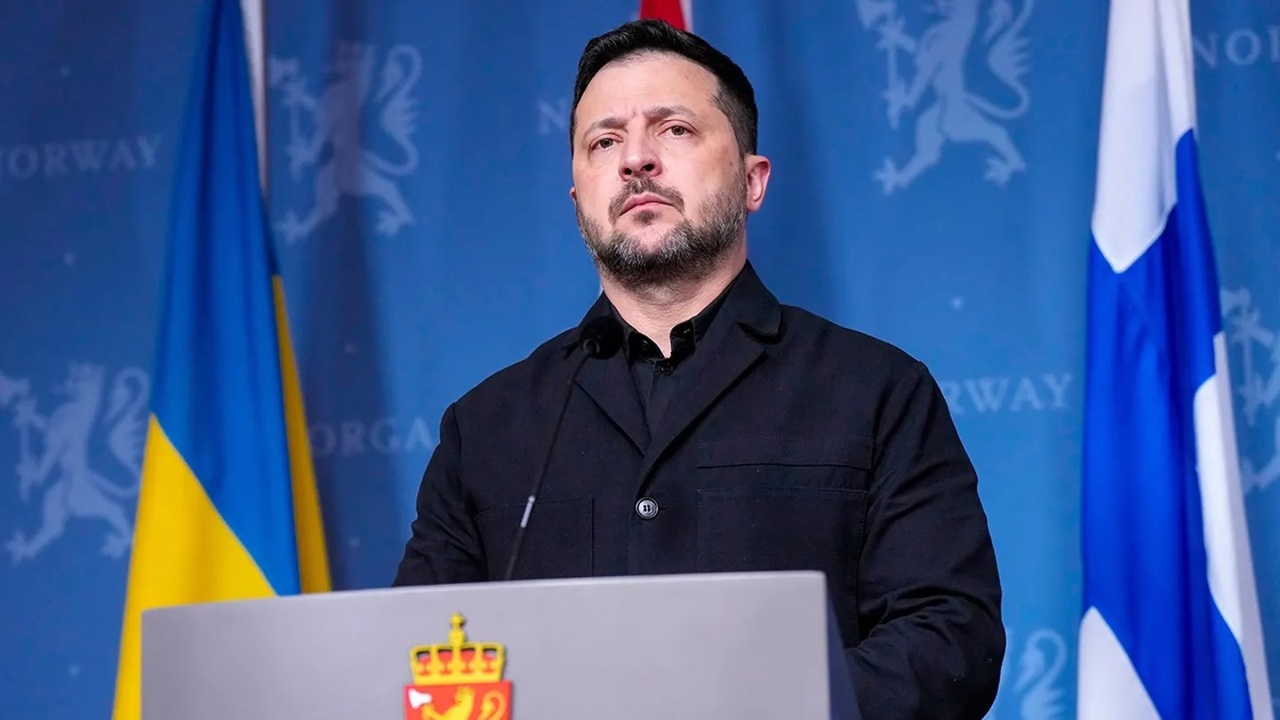
Before visiting Chernobyl, Maia Sandu met with Ukrainian President Volodymyr Zelensky in Kiev.
Prime Minister Alexandru Munteanu was in Moscow on the day of the Chernobyl disaster, which “forever changed lives, destinies, and our perception of responsibility toward people.” However, he learned about the tragedy through “Voice of America.”
"I remember those days with painful clarity. I was in Moscow at a time when, although I was still living within the Soviet Union, the desire for freedom and truth was already palpable. The woman who would later become my wife was in Kiev, where she was preparing to defend her thesis. She remained stranded there, unaware of the situation and lacking any certainty. Communication was limited. I learned about the disaster not through official channels, but from Voice of America. That was when I understood the critical importance of timely truth and how much its absence can cost. It was a tragedy that took lives and caused suffering for thousands of people. I am glad that today’s young people have access to information, documentation, and personal testimonies. It is essential that they learn these lessons from the past, not out of fear, but out of respect and responsibility," wrote Prime Minister Munteanu on a social network.
According to the Prime Minister, the Chernobyl catastrophe "is not just a tragedy of the past; it is a warning and a duty: to tell the truth, to protect life, and to never forget."
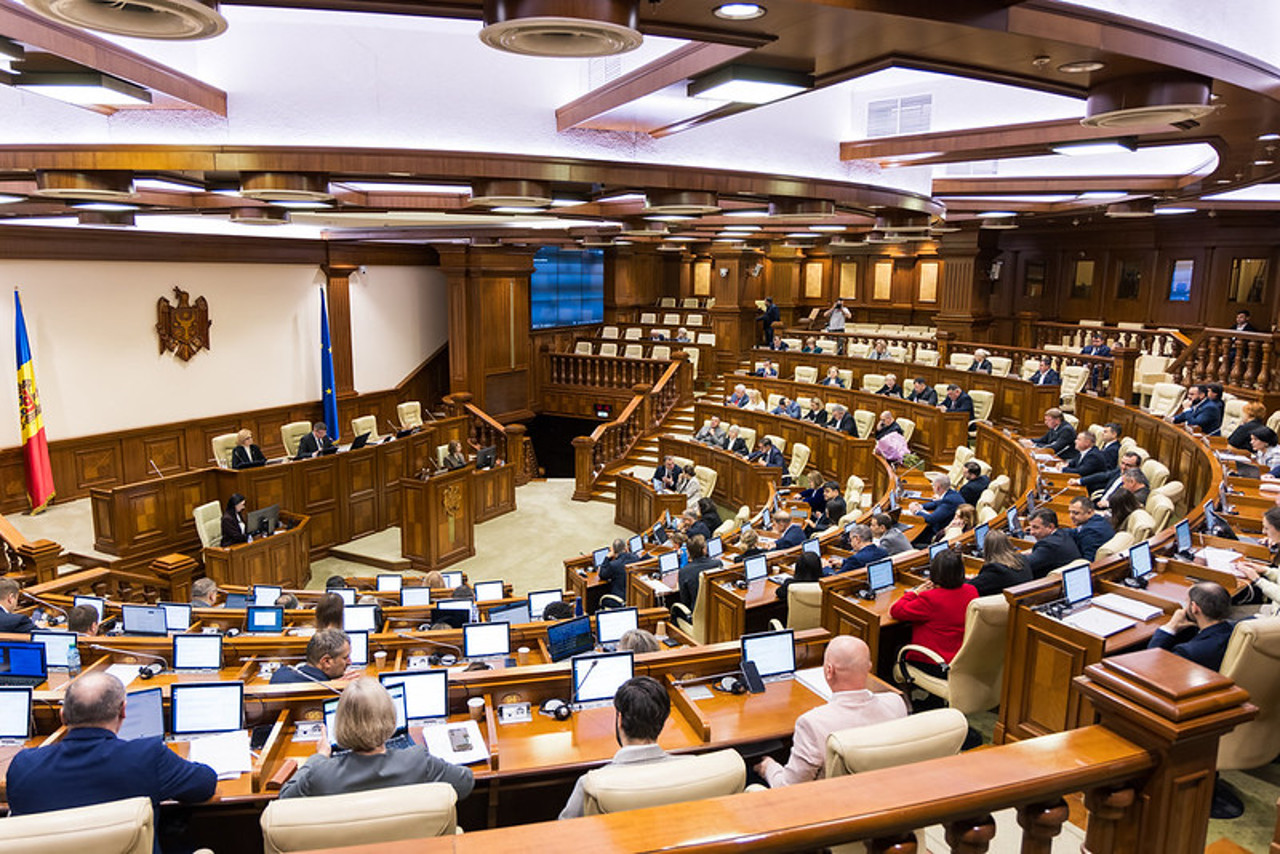
Forty years ago, on April 26, 1986, one of the most tragic events of the last century occurred just a few kilometers from the Republic of Moldova: the Chernobyl explosion, as emphasized by the Parliament Speaker, Igor Grosu.
"The disaster affected millions of lives, and its impact is still felt across generations. Over 3,500 Moldovans were mobilized to help contain the consequences of the catastrophe. Many of them suffered long-term health issues or even lost their lives. It is our duty to do everything possible to ensure that such tragic events never happen again and that people can live in peace and safety," Igor Grosu stated.
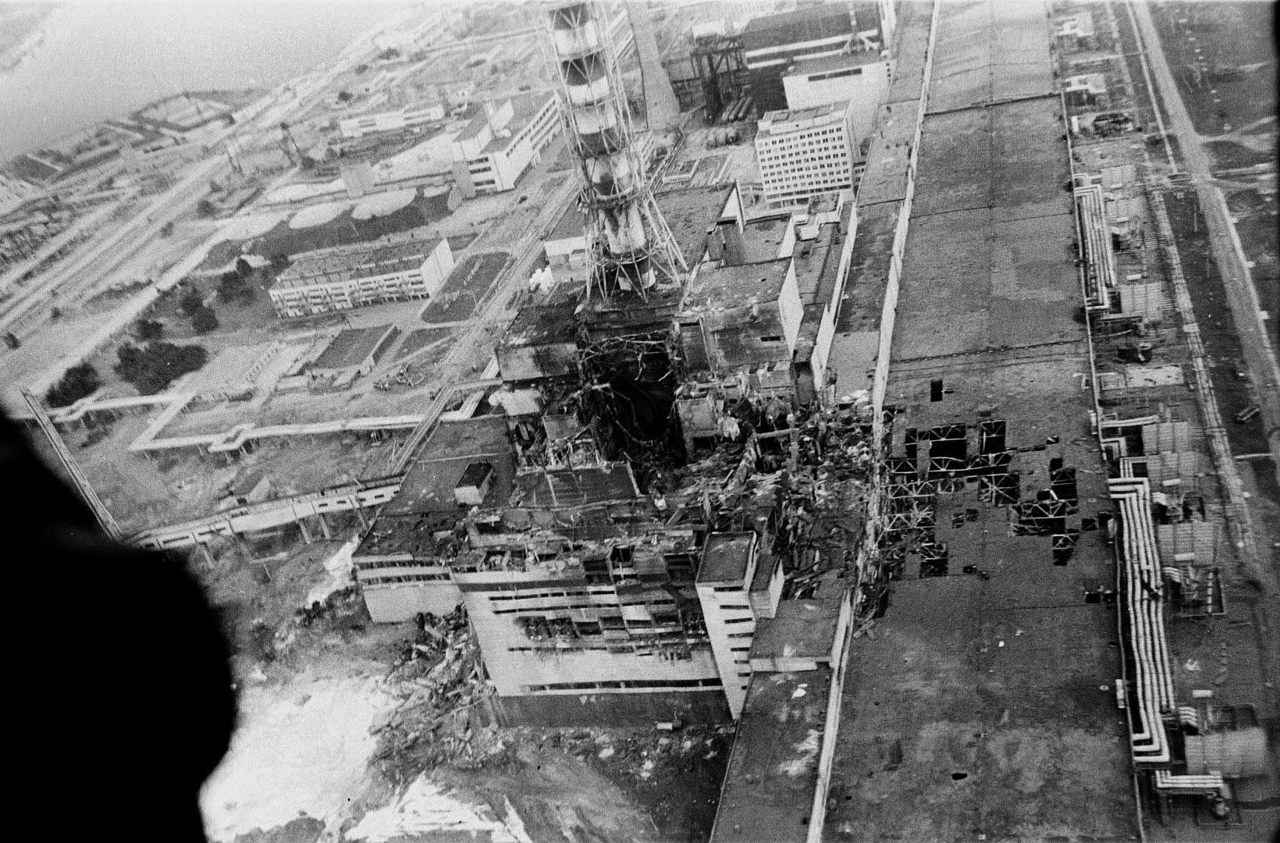
The Chernobyl disaster, which occurred on April 26, 1986, stands as the worst accident in the history of nuclear power, resulting from the explosion of reactor number 4. The amount of radiation released into the atmosphere was approximately 400 times greater than that produced by the Hiroshima bomb, impacting much of Europe.
Over 100,000 people were immediately evacuated from the city of Pripyat and neighboring towns, leading to the establishment of a 30-kilometer exclusion zone that remains in effect today.
The long-term medical consequences were devastating, with thousands of cases of thyroid cancer and other diseases arising from acute exposure to radioactive isotopes.
To contain the damaged reactor, the Soviet authorities mobilized over 600,000 individuals known as "liquidators," who worked in extremely toxic environments.
Among them, over 3,500 citizens from the Republic of Moldova participated in the cleanup operations and the construction of the protective sarcophagus. Many of them were young and faced serious exposure to lethal doses of radiation without adequate protective equipment.
The majority of survivors were left with severe disabilities and suffer from chronic illnesses throughout their lives.
Valeriu Cazac, the President of the Public Association "Chernobyl" in Chisinau, stated on Moldova 1 TV that the tragedy continues to hold relevance even after four decades, particularly in light of the current regional security context, where military conflicts are occurring near nuclear power plants in Ukraine.