Wage arrears and job insecurity top employee complaints in the Republic of Moldova
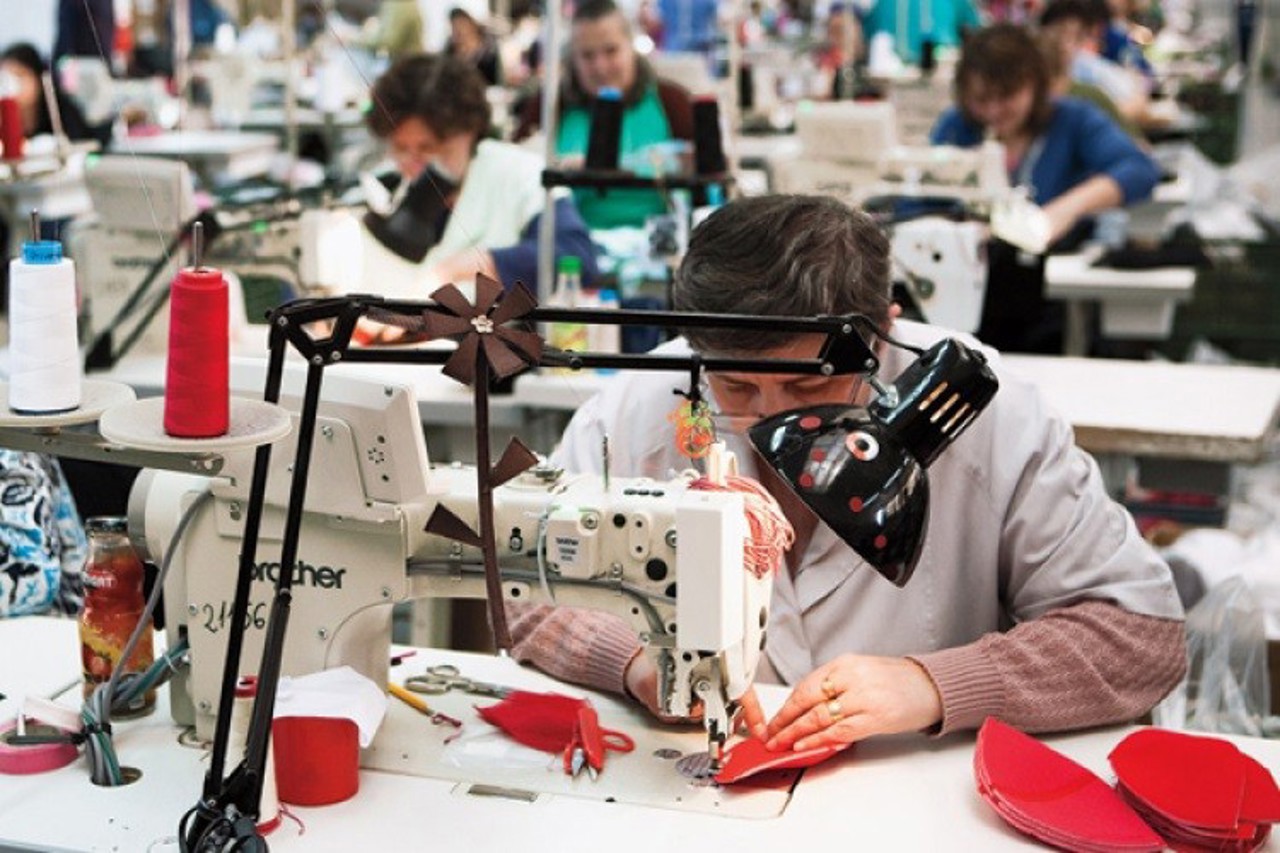
Employees in the Republic of Moldova report several significant issues, including wage arrears, noncompliance with rest time regulations, and inadequate safety measures at work. Additionally, cases have been noted in which employees face restrictions on their right to join unions or to participate in the management of their workplace. This information comes from Igor Zubcu, the president of the National Confederation of Trade Unions of Moldova (CNSM).
In light of rising economic pressures, including inflation and the high cost of living, wages remain a central issue. Igor Zubcu has expressed that increasing the minimum wage is a top priority for the CNSM.
"Increasing the minimum wage is a priority, as well as ensuring that wages provide a decent living for workers and their families. Our goal is to establish the minimum wage at 50% of the current average wage. Achieving this goal is challenging given the socio-economic conditions in the Republic of Moldova," Zubcu stated during the Zi de Zi program on Radio Moldova.
He emphasized that a gradual approach would not be effective in this context, asserting that a significant leap is necessary to encourage workers to remain in Moldova and contribute to building a social and European Moldova for its citizens.
Zubcu also criticized the tendency to fill workforce gaps by importing labor, arguing that this should not hinder wage growth. He noted that economic migration is closely linked to income levels and working conditions. The union leader believes that the long-term solution lies in fostering trust and developing a genuine social dialogue. He likened the labor market to a road network, with social dialogue serving as traffic regulations, emphasizing that adherence to the rules is essential for the entire system's functioning.
Therefore, Igor Zubcu advocates for safe, well-paid jobs that meet employees' needs, rather than the other way around.
Regarding the relationship with authorities and employers, Zubcu expressed moderate optimism. He mentioned that through dialogue and responsible collaboration, balanced solutions to social and economic problems can be identified. For the first time, a monthly meeting schedule has been established within the National Commission for Consultations and Collective Bargaining to discuss each party's priorities.
"When we talk about salary, the agenda of each meeting includes discussions on increasing the minimum wage for 2027. Many union members come from the budgetary sector, including fields like education, culture, civil service, special-status civil servants, and, of course, healthcare workers who are funded from the budget", listed the CNSM leader.
According to Igor Zubcu, when determining the minimum wage, it is essential to consider price increases and hikes in energy tariffs. For 2026, the minimum wage has been set at 6,300 lei, while the average wage is projected at 17,400 lei, reflecting an increase of 1,300 lei compared to 2025.