Three dead in Hantavirus outbreak on MV Hondius cruise ship
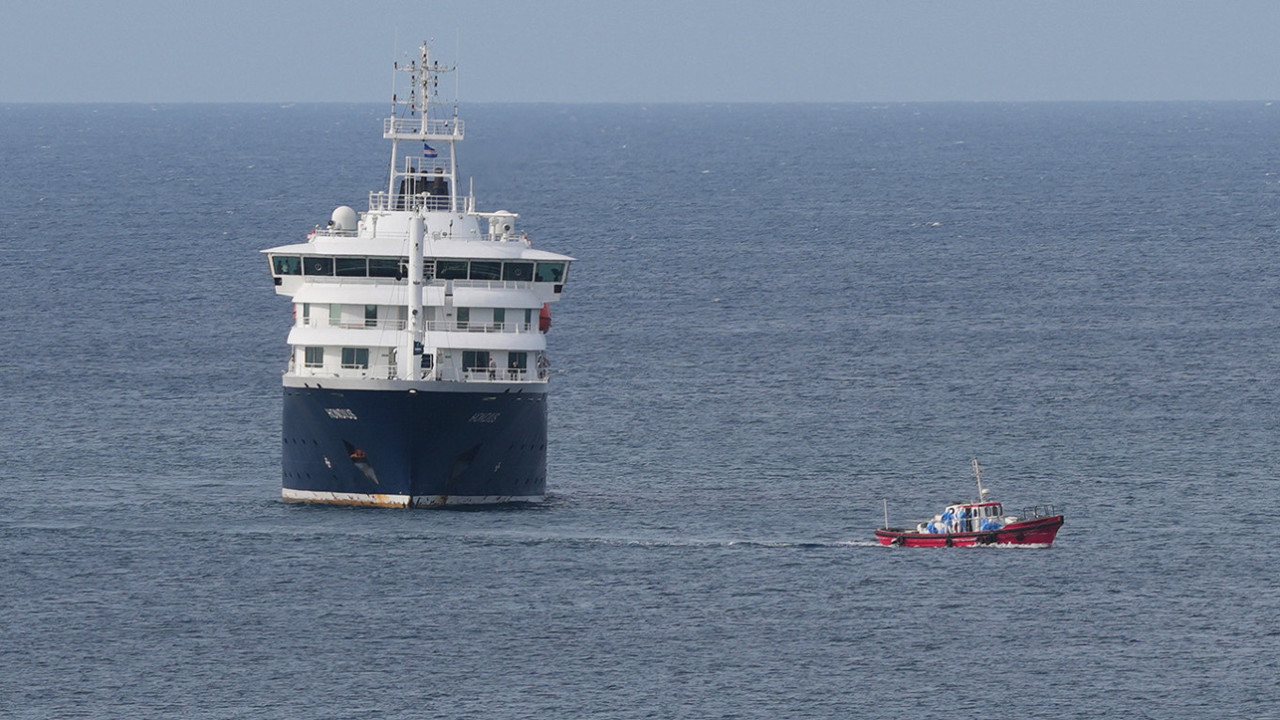
The World Health Organization (WHO) has confirmed seven Hantavirus cases and three fatalities aboard the MV Hondius, a cruise ship operated by Oceanwide Expeditions. Director-General Tedros Adhanom Ghebreyesus reported the outbreak as the vessel traveled from Ushuaia, Argentina, toward Cape Verde. The ship currently carries 147 individuals, including 88 passengers and 59 crew members from 23 nations.
Quarantine and clinical progression
The vessel is currently under a 45-day quarantine in the South Atlantic following stops in Antarctica and South Georgia. Passengers are confined to cabins as researchers isolate the specific viral strain. A separate case was confirmed in Switzerland involving a traveler who returned from a South American cruise in late April. While global risk remains low, the WHO notes this rare respiratory-heavy pathogen differs significantly from previous coronavirus ship outbreaks.
Transmission and investigative leads
The infection likely originated from contact with rodent waste. Professor Sabra Klein of Johns Hopkins University suggested rodents potentially boarded the ship during the Argentine port call. Alternatively, infectious disease expert Lucille Blumberg noted the cluster might have emerged following a bird-watching excursion. Epidemiologist Maria Van Kerkhove is also investigating possible human-to-human transmission after a couple shared a cabin and both succumbed to the illness.
Fatalities and medical evacuations
The first fatality, an adult male, displayed fever and respiratory failure between April 6 and April 11, 2026. A second victim died on April 26 in South Africa after being evacuated from St. Helena; her Hantavirus diagnosis was confirmed via PCR on May 4. A third death occurred on May 2. Another patient remains in intensive care in South Africa following an emergency evacuation on April 27.
Regional context and viral risks
According to the CDC, the Andes strain of Hantavirus is particularly lethal, with mortality rates approaching 40%. While Argentina has reported 42 cases nationwide this year, primarily in Buenos Aires, health officials noted that no cases had been previously recorded in the province from which the MV Hondius departed. Physical contact with saliva or excreta from infected rodents remains the primary suspected vector.
Translation by Iurie Tataru