Moldova aligns its customs system with EU rules, bringing new benefits for businesses
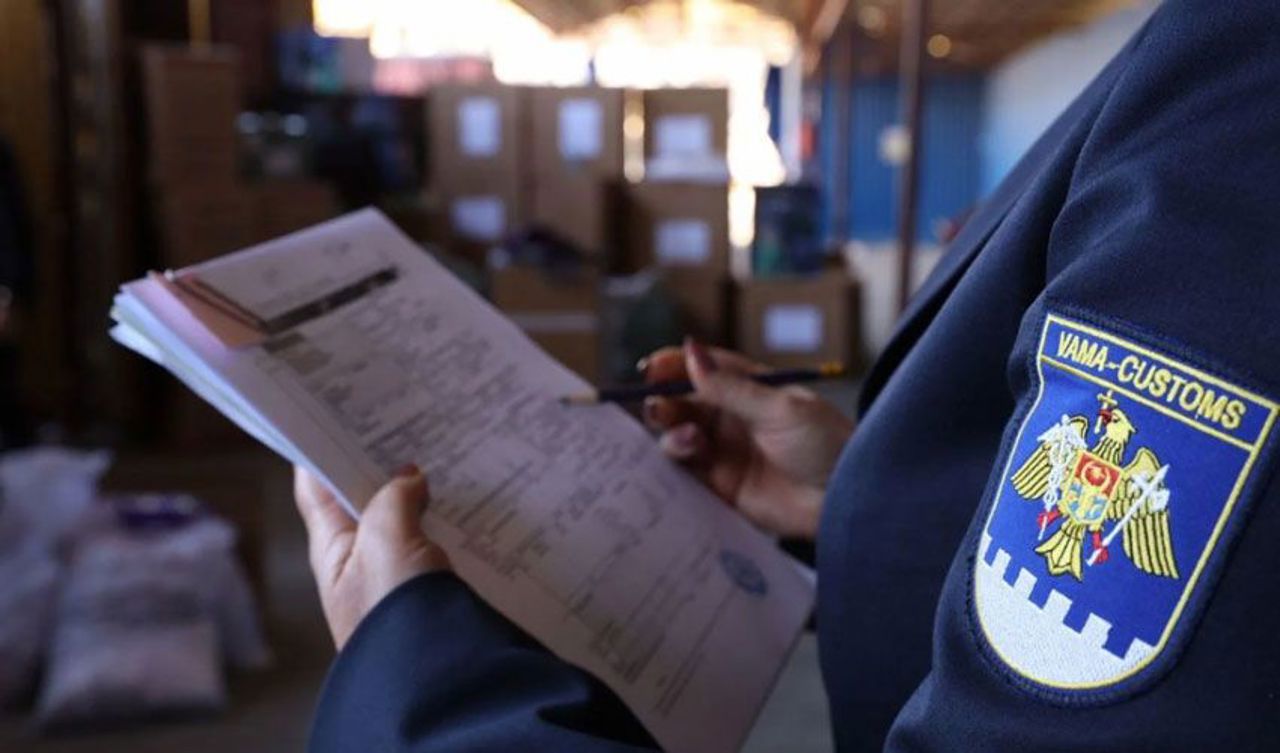
The Republic of Moldova is working towards integrating into the European Union customs area. This integration aims to reduce border-crossing times and the number of checks for economic agents. Additionally, the Customs Service has announced that it is gradually minimizing physical controls and is increasingly using risk analysis and information exchange methods.
The Director of the Customs Service, Radu Vrabie, stated that joining the European customs area will significantly alter the operations at the border between the Republic of Moldova and EU states.
"It will essentially function like internal trade, as it does within the European Union. From a customs perspective, there will no longer be border crossings. For a while, only the Border Police will remain," explained Radu Vrabie.
He mentioned that the benefits of this change will be particularly advantageous for exporters and industries that rely on quick deliveries, such as the automotive sector and businesses dealing with perishable goods.
"Time is of the essence in the current conditions—it is crucial for traders that goods arrive exactly when needed, whether at the factory gate or on supermarket shelves," Vrabie said.
Currently, about 98% of Moldova's exports are processed through the "Green Corridor," which facilitates fast border crossings without additional inspections.
"We expedite their departure from the Republic of Moldova to ensure swift exports," Vrabie said.
In contrast, the import percentage is lower, around 80%, as authorities need to inspect products entering the Moldovan market. This includes collaborations with other control institutions, such as the National Food Safety Authority (ANSA) and the Inspectorate for Non-Food Product Supervision.
The Customs Service is gradually decreasing the number of physical inspections and shifting towards assessments based on risk analysis and operational information. Companies that achieve the status of Authorized Economic Agent (AEO), which is recognized by the European Union, will receive additional benefits. These companies enjoy fewer customs checks, faster border crossings, and greater credibility in dealings with European partners, said Radu Vrabie.