School network reform needed amid falling student population

In the Republic of Moldova, the place of birth significantly influences a person's educational and professional opportunities. Education and Research Minister Dan Perciun highlights that the increasing disparities between rural and urban schools are prompting authorities to expedite the reorganization of the school network. The official estimates that around 100 educational institutions will be restructured this year to concentrate resources on larger and better-equipped schools.
According to the minister, there is a significant gap between the exam results of students in Chisinau and those in rural areas, with a difference of about 23 percentage points. In rural areas, the exam pass rate is approximately 60%, while in Chisinau it exceeds 80%.
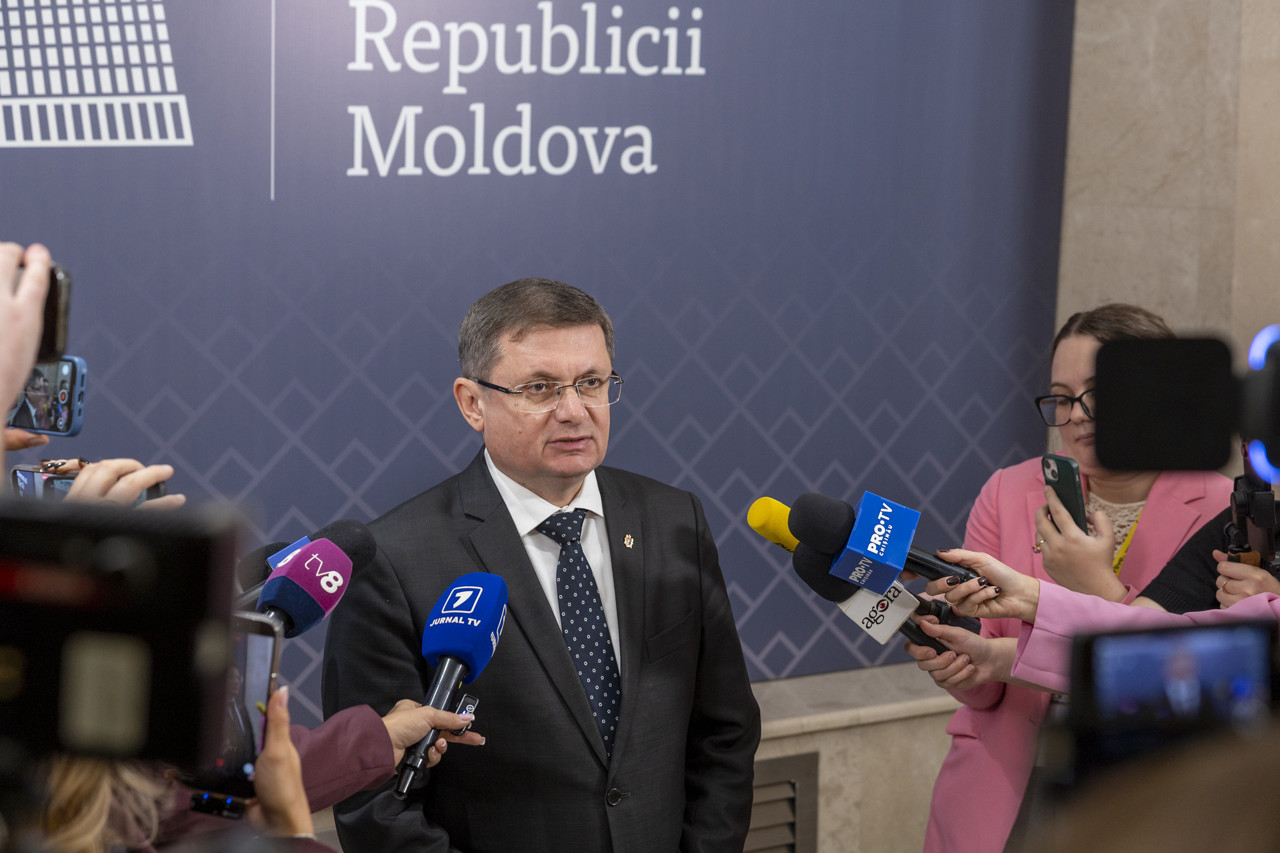
“In the Republic of Moldova, where you are born greatly influences your educational and, potentially, professional path. This is a situation we should not tolerate, as it diminishes our nation's potential. A child from a rural locality has the same skills and potential, but unfortunately, we are not capitalizing on it,” declared Dan Perciun during a program on Jurnal TV.
In light of this, the Ministry of Education is continuing the process of optimizing the school network following amendments to the Education Code adopted in February. The new provisions establish minimum thresholds for maintaining educational institutions. For instance, a gymnasium with fewer than 35 students in grades V-IX will be reorganized into a primary school, with older students transferred to other locations. Primary schools with fewer than 30 students will be converted into primary-kindergarten schools.
Out of the 73 institutions currently targeted by the optimization process, schools in only ten localities will be closed; in other cases, only the format of the institution will change. The minister estimates that approximately 100 reorganizations will occur by the end of the year.
“I believe it is better to have fewer institutions that are better equipped and of higher quality. People often say, ‘The institution won’t exist anymore; no one will come to the locality.’ I view things differently: if we have a good school within 10 to 15 km, families concerned about their children's education are more likely to move to that region rather than to a locality where a school exists but offers poor quality. Parents are increasingly seeking quality over proximity,” the minister said.
The authorities already have demographic forecasts for each locality through 2040, and the decline in student numbers will continue in the coming years, according to Perciun. He asserts that decisions regarding the reorganization of schools should be made with a long-term perspective and not postponed annually for political reasons.
“Currently, these decisions are made exclusively at the local level. The willingness of the District Councils to bear the political costs varies. With our pace of European integration and the return of the diaspora, the downward demographic trend will remain a reality,” the minister noted.
He also highlighted that the Republic of Moldova invests more in education than many European countries. In 2025, education spending was projected to account for 6.3% of GDP, compared with the European average of 4.2% and 3.2% in Romania.
We remind you that the amendments to the Education Code, which allow for the reorganization of schools with low enrollment, were approved by the Government in February 2026. The reform also includes support measures for families and teachers. Students transferring to other institutions will receive free transportation, while parents will be compensated with 1,000 lei per month for two years. Teachers affected by the reorganization will have access to professional retraining and relocation allowances of up to 300,000 lei.