Moldova central bank marks 35 years amid Euro integration
The National Bank of Moldova (BNM) marked its 35th anniversary on June 4, 2026, reporting unprecedented institutional stability and deeper integration into the European financial ecosystem.
The milestone coincides with Bank Worker's Day, highlighting decades of structural reforms aimed at aligning the country's financial sector with Western standards.
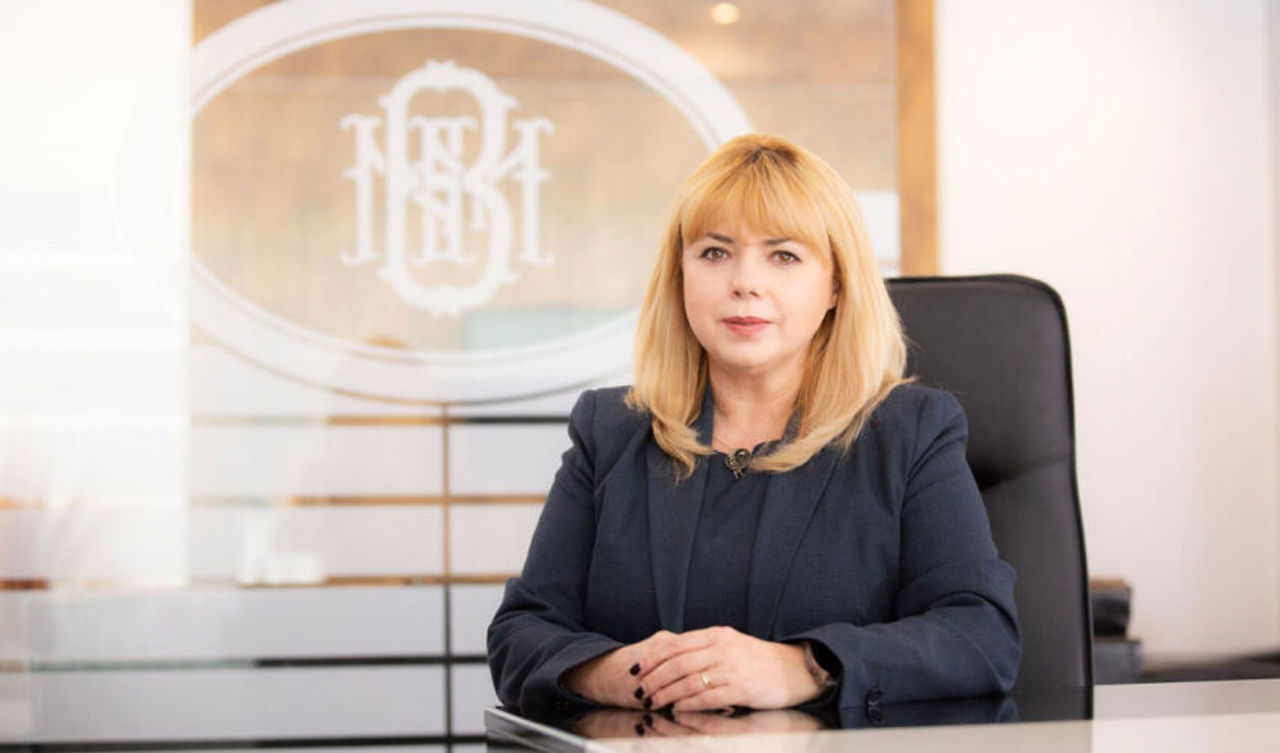
"The date of June 4, when we mark Bank Worker's Day, has a special value for the National Bank of Moldova. We celebrate 35 years since our establishment. It is a moment when we look with respect at the path traveled and with confidence towards the future. We are part of the economic architecture of the Republic of Moldova, contributing to the strengthening of the national currency and to the modernization of the financial infrastructure, connected to the needs of citizens and the business environment," stated BNM Governor Anca Dragu.
According to data highlighted by the central bank, about 95% of the country's banking assets are currently controlled by European investors, signaling a profound shift in market trust.
Prudential indicators from March 2026 confirm high resilience. The capital adequacy ratio reached 22.3%, more than double the minimum requirement set by the BNM, while the liquidity coverage ratio stood at 299.8%.
"This anniversary is, first of all, about the people who work in the banking sector: in banks, financial institutions, supervision, payments, analysis, regulation, financial education, technologies, communication, and in all fields that support the functioning of the financial system," Governor Dragu added.
The country's economic trajectory was recently validated by international credit agencies. Moldova secured its first sovereign rating from S&P at BB-, while Fitch affirmed its B+ rating and Moody’s upgraded the outlook to B2, all maintaining a stable outlook.
Progress toward European financial integration is accelerating through concrete infrastructural upgrades.
"Moldova's integration into the Single Euro Payments Area (SEPA) is concrete proof of what approaching European financial construction means: faster transfers, lower costs, and direct benefits for citizens, including the diaspora," Dragu emphasized.
Additionally, the central bank pointed to the domestic success of the MIA Instant Payments system. The platform has become a regional benchmark, changing how citizens and companies transfer funds securely and instantly at any hour.
Translation by Iurie Tataru