Gagauzia election crisis deepens as hybrid disinformation sparks alarm
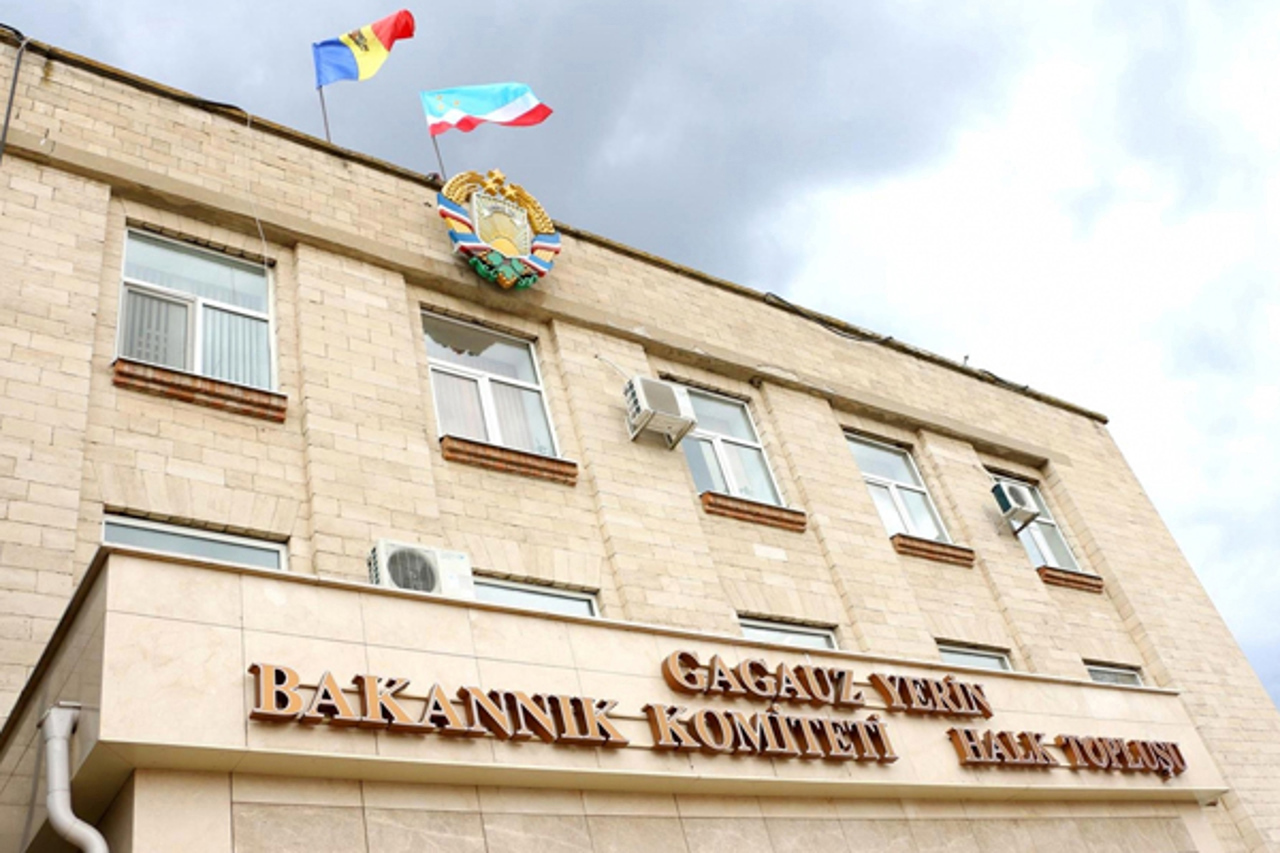
The Constitutional Court of the Republic of Moldova will examine a crucial administrative appeal on July 7 to address the ongoing electoral and constitutional crisis paralyzing the autonomous region of Gagauzia.
The judicial review follows an initiative by the Ministry of Justice to determine whether the regional legislature in Comrat holds the legal competence to unilaterally appoint local electoral authorities. The autonomous territory plunged into an institutional vacuum after local officials refused to align regional procedures with Moldova’s new electoral code.
Electoral deadlock and resignations
The legislative mandate of the regional assembly officially expired in November 2025, but political friction has repeatedly frozen the democratic process. Two separate election dates, initially scheduled for March 22 and June 21, 2026, were successively canceled by courts due to structural non-compliance.
The political crisis escalated further following the resignation of interim speaker Nicolai Ormanji. The regional official stepped down after the local assembly failed to pass a compromise framework developed in coordination with central authorities in Chisinau.
Kremlin influence and media manipulation
Civil society experts and independent journalists warn that the administrative vacuum leaves the regional information space highly vulnerable to external destabilization. Over the past three decades, Moscow has systematically shaped public perceptions within the autonomous unit.
According to Stefan Bejan, an analyst at the WatchDog.MD community, the local media environment continues to heavily influence voter behavior. Bejan emphasized that the remaining networks of exiled convicted oligarch Ilan Shor continue to wield significant logistical leverage ahead of any future local ballots.
Exploiting populist fears
Regional media directors note that recent localized elections demonstrate the rising effectiveness of disinformation campaigns. Independent media outlets documented cases where fringe candidates dramatically increased their baseline support solely by exploiting local anxieties.
Anghelina Gaidarji, director of the regional news portal TUK.md, highlighted an instance where a candidate surged from 35 votes to nearly 470 votes during recent snap mayoral elections. The campaign relied entirely on spreading unverified claims that national administrative reforms would trigger an immediate geopolitical annexation by neighboring Romania.
Journalistic countermeasures
The Independent Press Association (API) confirmed that Russian influence networks have aggressively intensified their activities across Moldova. API Executive Director Petru Macovei stated that anti-disinformation efforts must actively involve regional journalists to clarify complex European integration processes.
Investigative reporters added that pulling back the curtain on how these psychological mechanisms operate helps citizens recognize manipulation. Public transparency campaigns have successfully dismantled absurd local rumors, including manufactured narratives regarding forced property confiscations and mandatory societal changes linked to Western alignment.
Translation by Iurie Tataru