Moldova parliament probes migrant worker living conditions in Chisinau
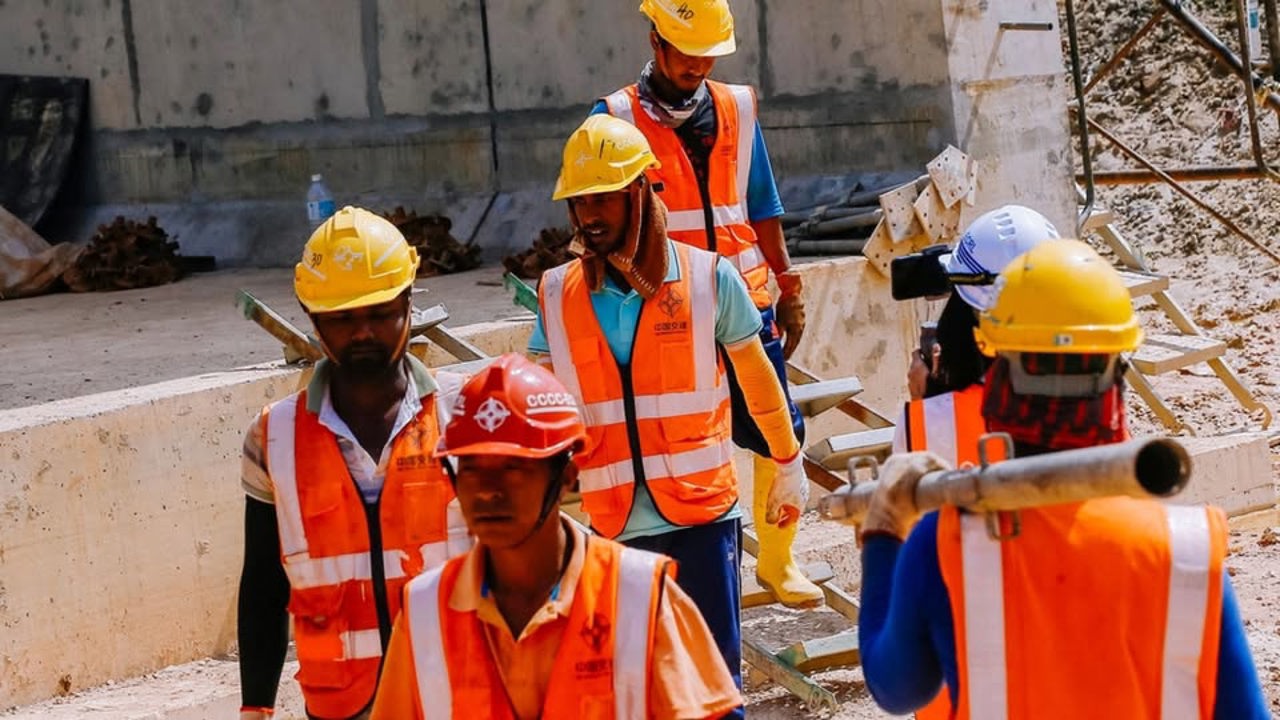
The Moldovan parliament will hold legislative hearings to investigate the living conditions of foreign workers housed in converted train carriages near Chisinau. The governing Action and Solidarity Party (PAS) proposed the inquiry to evaluate potential public health risks, labor safety breaches, and residency compliance issues.
The scheduled hearings will take place on Tuesday, July 7. PAS Lawmaker Marina Morozova announced the initiative during the plenary session on July 2, noting that the objective is to review immigration frameworks and baseline sanitary conditions.
Institutional oversight and legal inquiries
Sovereign regulatory authorities will participate directly in the upcoming parliamentary evaluation. Lawmakers plan to summon leadership representatives from the Ministry of Internal Affairs and the General Inspectorate for Migration.
The joint committee will also request testimonies from the Ministry of Health, the Ministry of Labor and Social Protection, and the General Inspectorate of Police. Official representatives must clarify the legal circumstances surrounding the housing permits and verify corporate compliance with national welfare standards.
Media disclosures and corporate response
The political scrutiny follows an investigative report by independent broadcaster TV8. The report exposed that citizens from Bangladesh and Nepal have spent over a year living inside eight reconfigured train carriages positioned in the capital's Botanica district.
The broadcaster alleged that approximately 20 individuals share each unit. Conversely, the management of the window and door manufacturing company firmly rejected the claims of substandard care.
Corporate directors stated that each carriage houses a maximum of 12 employees and features functional air conditioning. The firm added that the site provides dedicated industrial kitchens and modernized external sanitation blocks to maintain personal hygiene.
Macroeconomic trends and domestic deficits
The influx of external labor aligns with shifting domestic economic challenges. Government records indicate that approximately 5,000 foreign citizens are currently integrated into the national labor force.
Sovereign authorities emphasized that most international personnel receive salaries exceeding the national minimum wage alongside specialized integration benefits. The recruitment of foreign labor has emerged as a critical response to deep structural shortages across the domestic market.
During the first quarter of 2026, state agencies documented 20,000 registered unemployed citizens within the country. However, institutional training and recruitment programs successfully placed only 7,000 of those individuals into active commercial roles.
Translation by Iurie Tatru