Moldova permanently shuts down Russian Cultural Center in Chisinau
The Russian Center for Science and Culture in Chisinau has permanently ceased operations following a legislative decision to terminate the bilateral agreement that authorized its presence. The Moldovan government enacted the measure as a direct response to escalating national security incidents, notably repeated incursions by Russian military drones into Moldovan airspace.
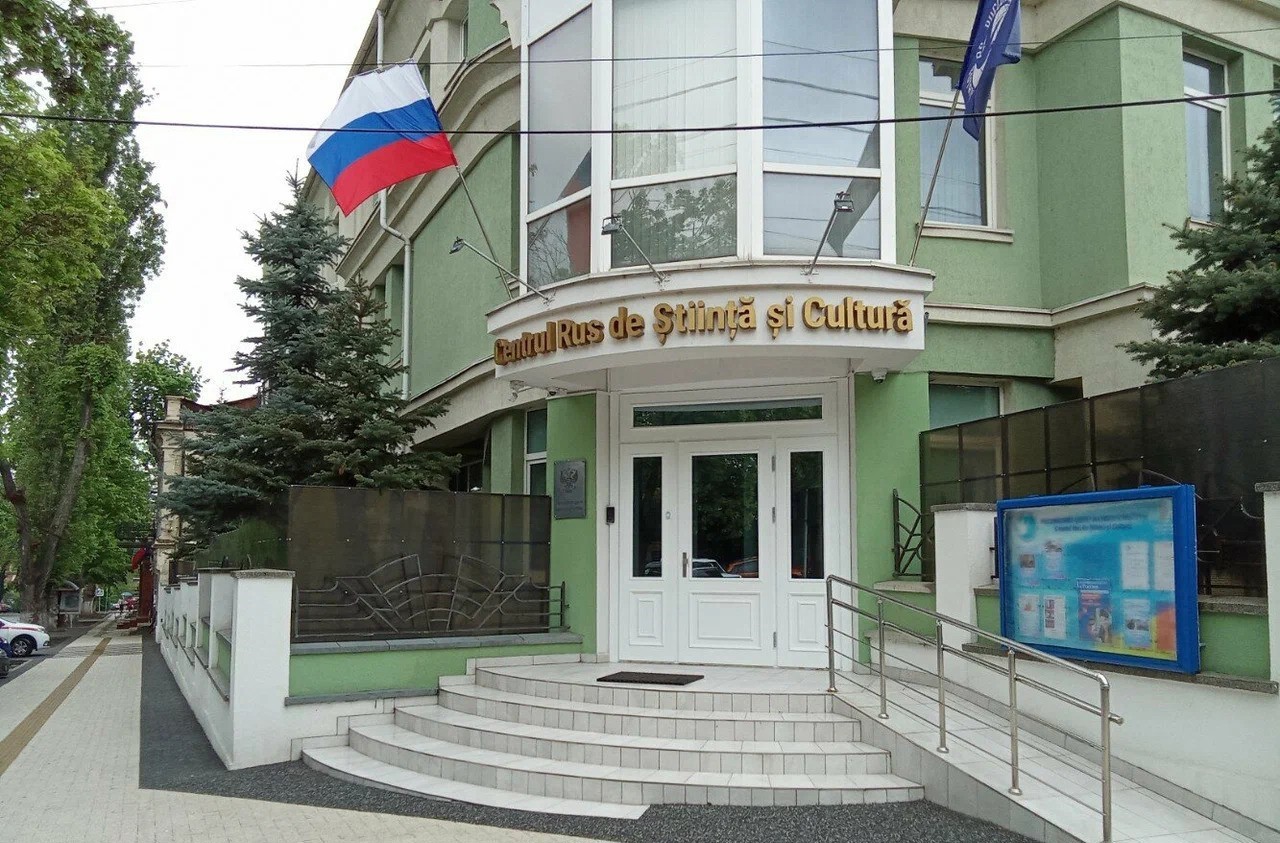
The Russian Embassy in Moldova confirmed the closure through an official statement. According to diplomatic sources, the cultural department of the Russian diplomatic mission will partially absorb the remaining administrative responsibilities of the defunct center.
Historical bilateral framework
The initial agreement between the governments of Moldova and the Russian Federation concerning cultural centers was signed in Moscow in 1998 and took effect in July 2001. The Russian Center for Science and Culture subsequently opened its headquarters in Chisinau eight years later.
The institution operated under the direct management of Rossotrudnicestvo, a Russian federal agency currently led by Igor Chaika. Chaika faces extensive international sanctions for orchestrating operations intended to destabilize the political situation inside Moldova. He is the son of Yury Chaika, the former Prosecutor General of the Russian Federation.
Regional tensions and hybrid threats
Following the closure announcement, authorities in the breakaway region of Transnistria positioned themselves to circumvent the ban by offering to host the center in Tiraspol. In response, Chisinau’s Bureau for Reintegration issued an immediate warning, stating that any unilateral measures outside the established bilateral framework violate international law and standard diplomatic protocols.
Since the launch of Russia’s full-scale invasion of Ukraine, Moldovan officials have repeatedly accused the center of serving as a front for state propaganda and hybrid warfare operations.
The Moldovan parliament ratified the final denunciation of the treaty on November 27, 2025. The legislative decision officially entered into force on July 4, 2026.
Translation by Iurie Tataru