Moldova seeks NATO and EU help for drone defense
Moldova has recorded 34 airspace violations involving drones and ballistic missiles since the start of Russia's unprovoked invasion of Ukraine. In response, national authorities have launched a comprehensive overhaul of the country's air defense capabilities with Western support.
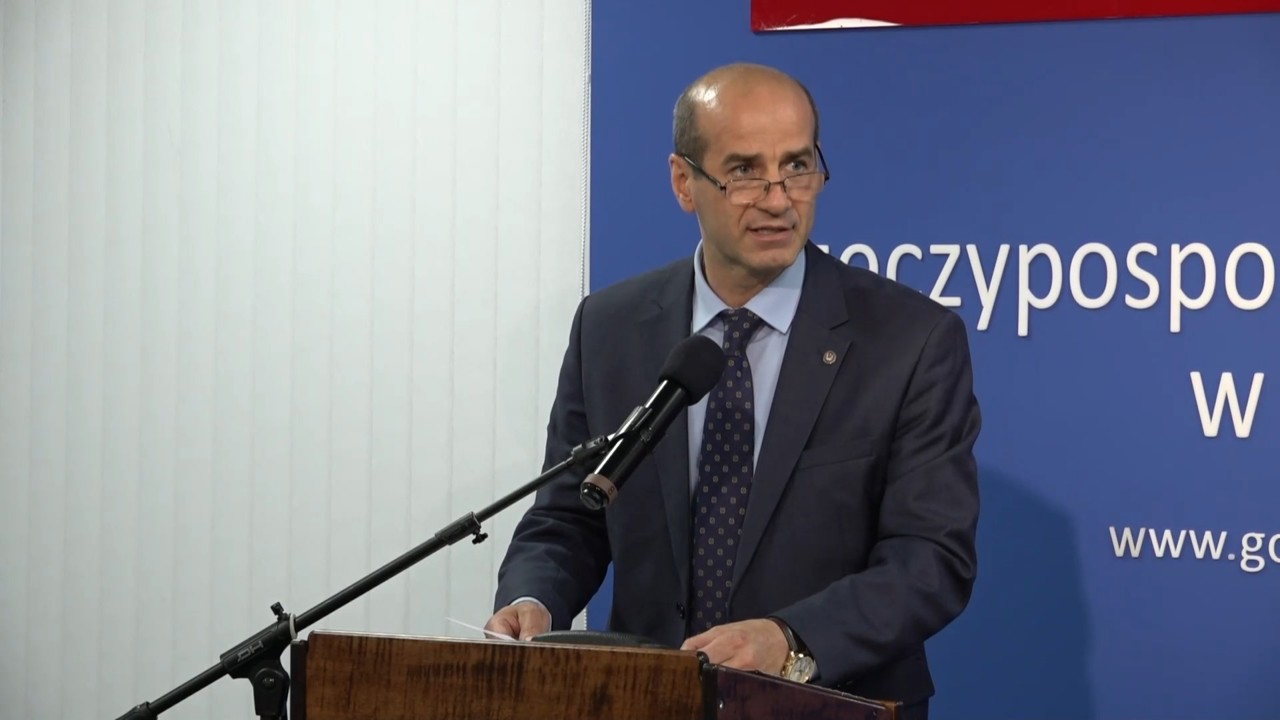
Speaking at a press briefing on Friday, July 17, State Secretary of the Ministry of Foreign Affairs Valeriu Mija stated that Moldova's legacy Soviet-era air defense systems are ill-equipped for modern threats. Existing capabilities cannot manage real-time risks, such as the drone carrying a 40 kg explosive payload discovered in Copanca on July 13.
Western support drives defense overhaul
To counter these emerging threats, the Ministry of Defense is procuring advanced detection and interception equipment. Key backing includes a €120 million (approx. 2.35 billion MDL) package approved on July 13 under the European Peace Facility (EPF).
"We are discussing not only radar systems, but specialized drone interceptors," Mija explained. "Interceptors designed for attack aircraft rely on entirely different technologies than those needed for counter-drone operations."
Moldova is also leveraging NATO's Defense and Related Security Capacity Building (DCB) initiative. Officials emphasized that the country's lack of strategic depth creates severe operational challenges, requiring split-second decisions to intercept armed drones without endangering civilians on the ground.
Rejection of foreign disinformation
Mija firmly rejected claims that increased defense spending signals preparation for conflict with Russia, dismissing such claims as unfounded propaganda.
Moldova's armed forces currently comprise 6,500 military personnel and 2,000 civilians. While the defense budget recently increased by 0.38% of GDP, authorities aim to reach 1% by 2030—restoring spending to levels last seen in 1994.
The ongoing defense upgrades, supported by the EU, NATO, and bilateral partners, extend beyond the military to strengthen border police and cybersecurity infrastructure.
Translation by Iurie Tataru