Moldova prime minister-designate unveils EU-driven Transnistria plan
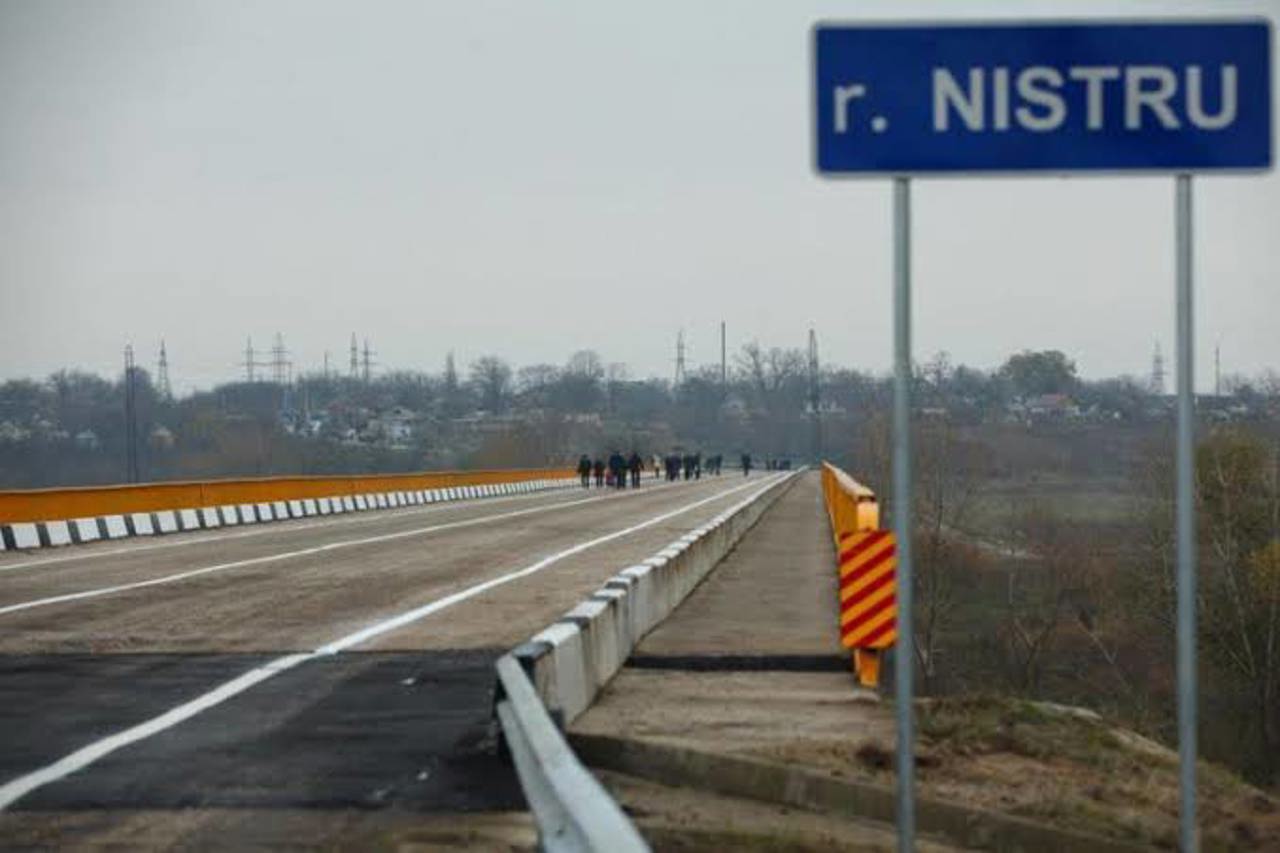
Moldova’s European integration pathway has emerged as the primary catalyst for the peaceful and gradual reintegration of the breakaway Transnistrian region, according to the new government program proposed by Prime Minister-designate Vasile Tofan.
The 147-page document, titled *"European Economy, Efficient State,"was made public on July 20, 2026. The strategic framework elevates the Transnistrian issue to a primary governance priority, emphasizing a pragmatic rapprochement between the two banks of the Dniester River.
The incoming executive will formally seek a vote of confidence from the Moldovan Parliament on Tuesday, July 21. The administration aims to consolidate national sovereignty by systematically extending Moldovan and European legal standards into the separatist-controlled territory.
Socio-economic convergence and fiscal alignment
A cornerstone of the proposed policy is the establishment of a dedicated Convergence Fund, scheduled to become operational on January 1, 2027. This financial mechanism will target the reduction of socio-economic disparities by funding local infrastructure, healthcare, education, and water sanitation projects across the communities.
Furthermore, the Tofan administration plans to enforce strict customs and fiscal harmonization. The program introduces legislation designed to eliminate unjustified tax exemptions currently enjoyed by commercial entities in the Transnistrian region, while simultaneously strengthening measures against tax evasion.
In terms of security, the government remains committed to maintaining stability in the Security Zone. The executive will persist in demanding the complete withdrawal of Russian troops and ammunition stockpiles stationed in the region.
Expert skepticism over strategic vision
Despite the prominent positioning of the reintegration chapter, the program has drawn critical scrutiny from senior experts. Former Deputy Prime Minister for Reintegration Alexandru Flenchea noted that while the document serves as a viable tool for maintaining short-term stability, it lacks a definitive breakthrough strategy.
Flenchea observed that the symbolic elevation of the chapter and the explicit declaration that reintegration constitutes a whole-of-government responsibility are positive signals. However, he described the proposal to transform the current peacekeeping mechanism into an international civilian mission as an outdated formula from 25 years ago.
According to the former official, Chisinau requires an accelerated resolution model rather than piecemeal interventions. Without full constitutional integration, Flenchea warned, the state will remain vulnerable to economic coercion, where the separatist administration leverages political detainees to extract fiscal concessions from the central government.
The investiture vote arrives nearly three weeks after the resignation of former Prime Minister Alexandru Munteanu. The incoming cabinet features four key ministerial adjustments, with new leadership set to take over the Finance, Health, Agriculture, and Culture portfolios.
Translation by Iurie Tataru