Moldova meets 95% of EU reform targets for €157M tranche
Moldova has successfully fulfilled 18 out of 20 commitments agreed with the European Union for the first half of 2026. Following a positive assessment from the European Commission, Chisinau expects to receive a new €157 million (approx. 3.08 billion MDL) disbursement under the EU Growth Plan in September.
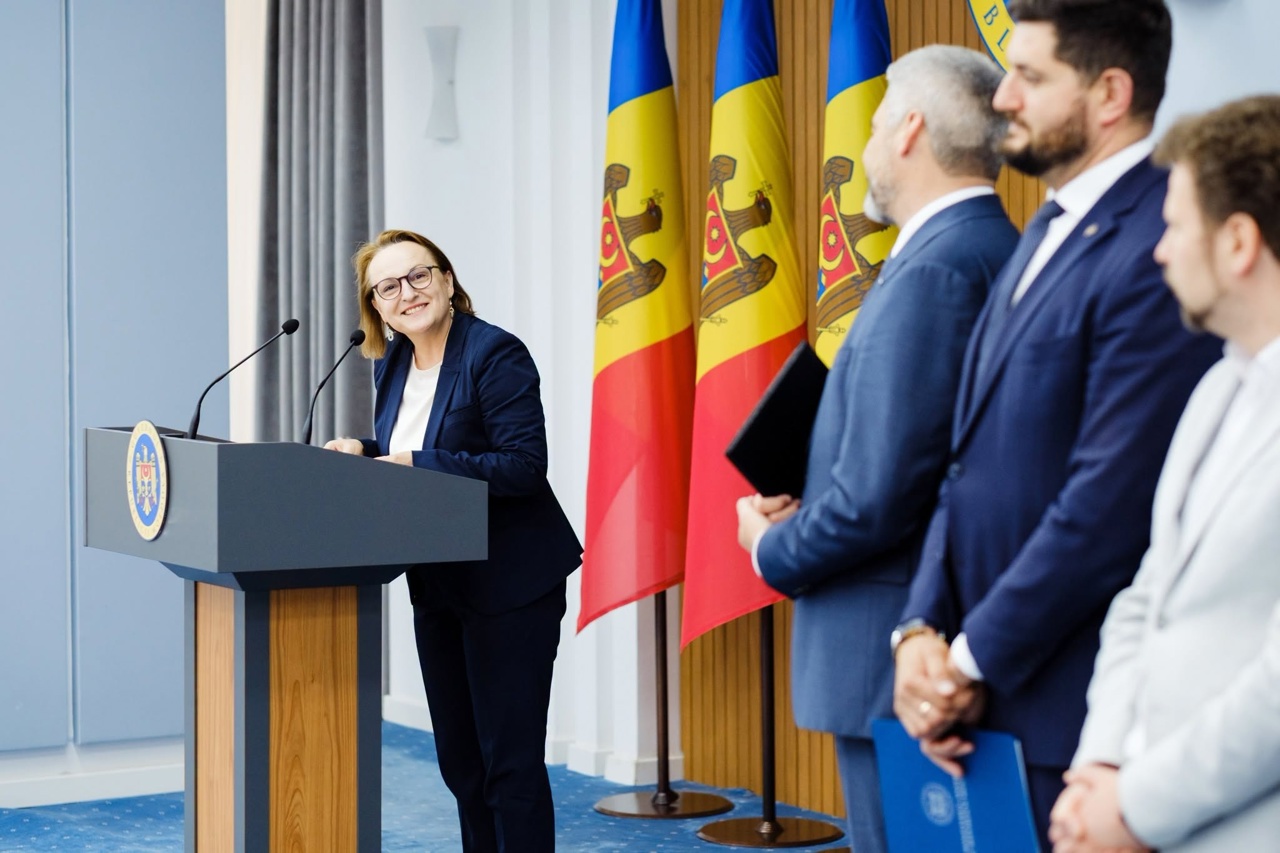
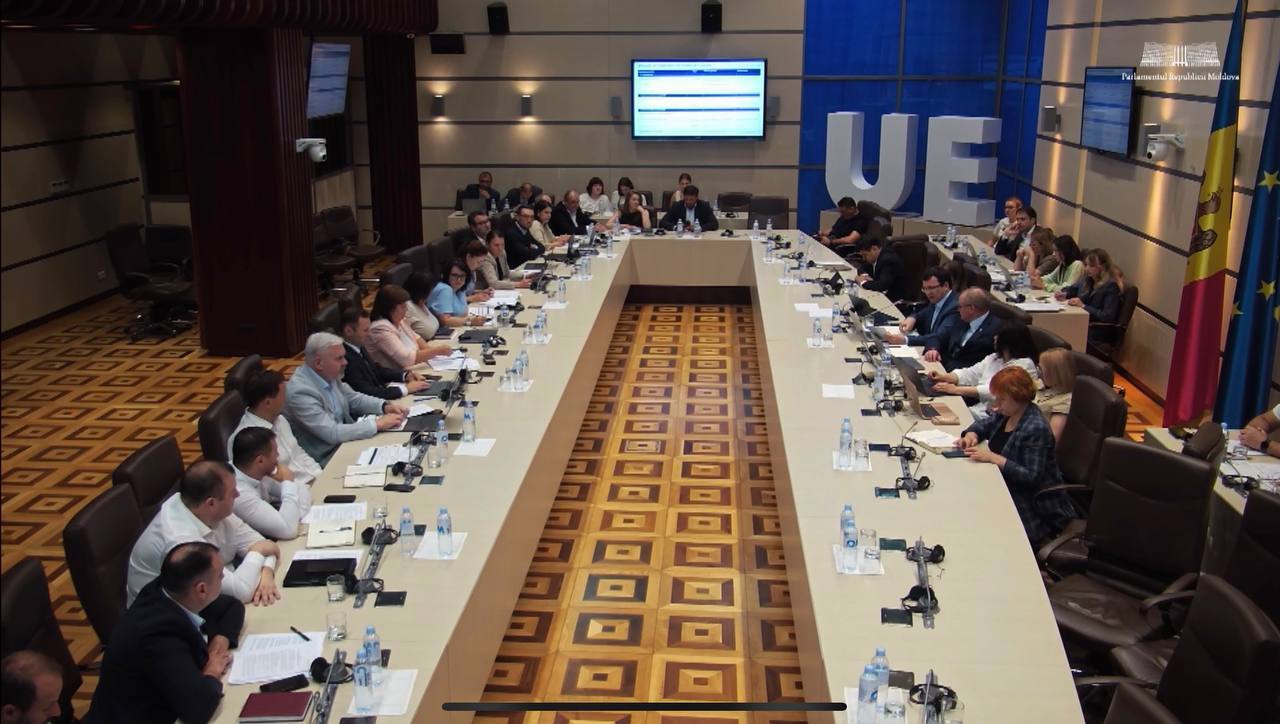
Deputy Secretary-General of the Government, Lilia Dabija, announced the progress during parliamentary hearings on July 22, 2026. Overall, Moldova has completed 46 of 48 measures due to date under the 2025–2027 Reform Agenda. This 95% completion rate represents the highest performance among all participating nations, including Ukraine and the Western Balkans.
Critical structural reforms ahead
Despite initial success, authorities emphasize that the most complex structural measures lie ahead. Negotiation strategies scheduled basic regulatory tasks early, leaving deep institutional overhauls for later stages.
For the second half of 2026, Moldova faces 40 complex measures valued at €464.4 million. Officials have classified nine of these measures as high-risk, including the restructuring of Moldovan Railways, healthcare digitalization, and public asset recovery mechanisms. High-risk tags primarily apply to complex IT infrastructure developments and mandatory external judicial vetting.
Two outstanding commitments
The two unfulfilled actions from the first semester involve energy infrastructure and judicial governance. The energization of the Vulcanesti-Chisinau power line missed the initial window due to ongoing work at the Chisinau substation, now rescheduled for completion by August 31.
The second delay stems from unfilled vacancies on the Disciplinary Board of the Superior Council of Magistracy (CSM). Candidate shortfalls and failed external vetting procedures have required the Ministry of Justice to reopen recruitment for the remaining seats multiple times.
Key milestones and financial safeguards
Moldova successfully cleared all key "super-milestones" required to unlock funding. These include establishing the financial independence of the Court of Accounts and empowering the National Anti-Corruption Center to investigate crimes against the EU budget.
Under the facility agreement, failure to fulfill even a single super-milestone would completely freeze disbursement.
The overall €1.9 billion EU Growth Plan (2025–2027) combines €1.5 billion in concessional loans with €520 million in grants. To date, total EU disbursements to Moldova under this framework have reached €477.9 million. European Commission auditors will arrive in Chisinau this September to review internal audit mechanisms.
Translation by Iurie Tataru