Moldovan farmer expands flock to 600 sheep in Todiresti
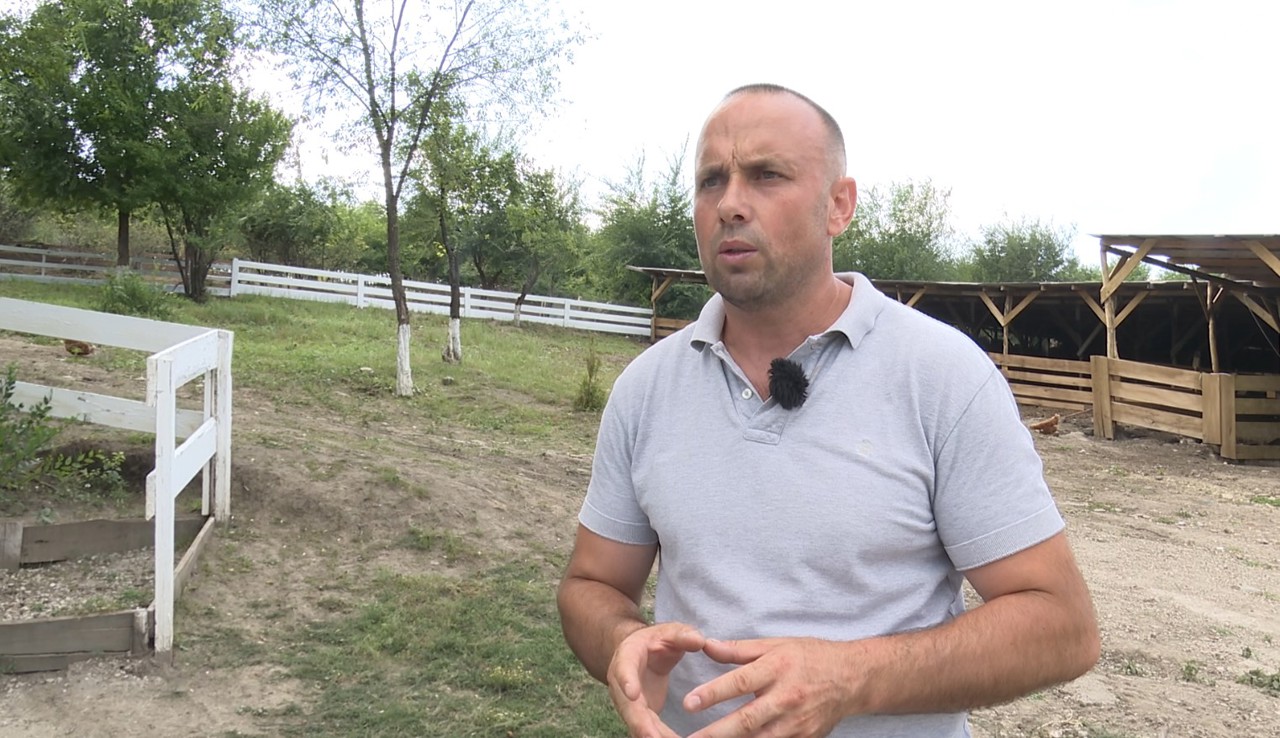
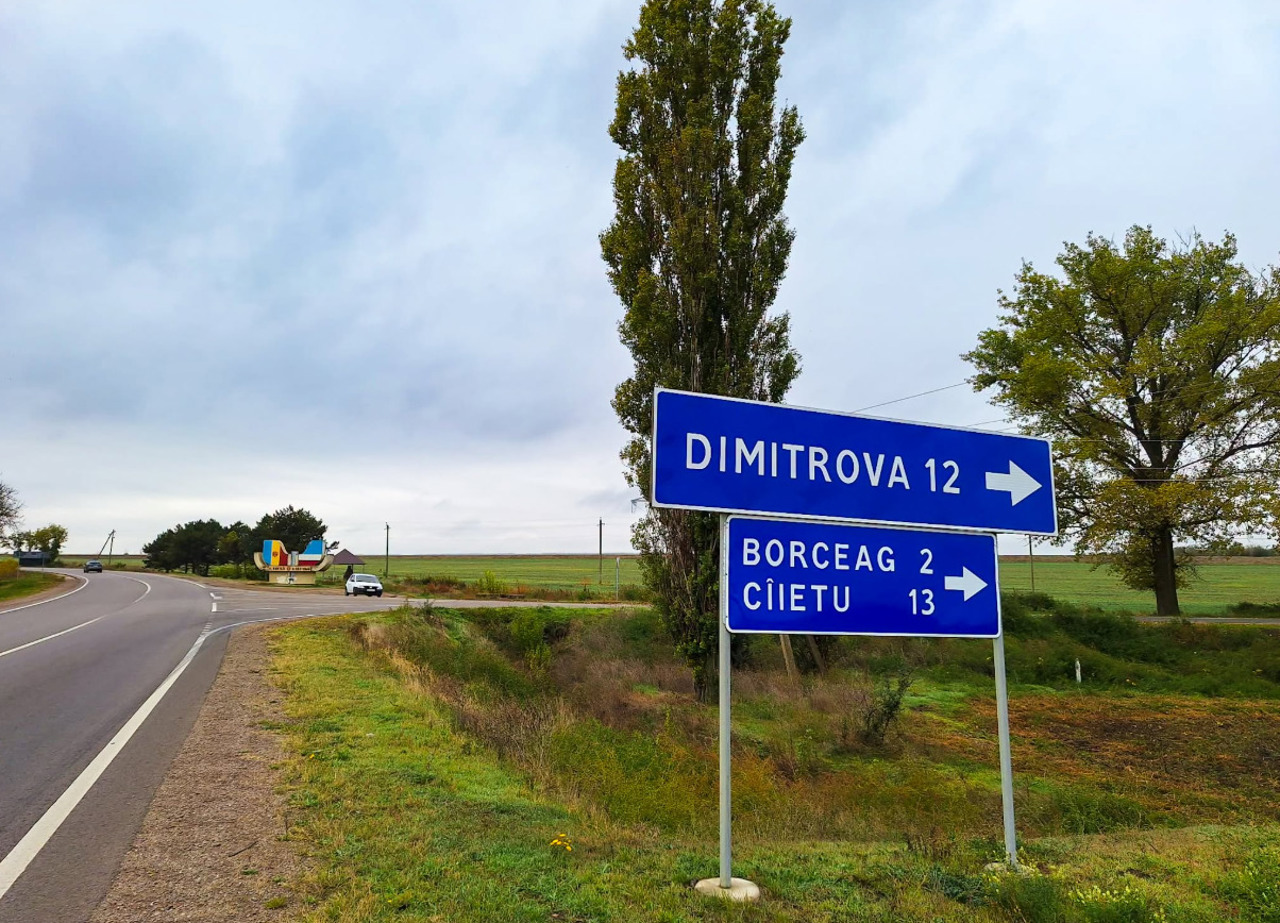
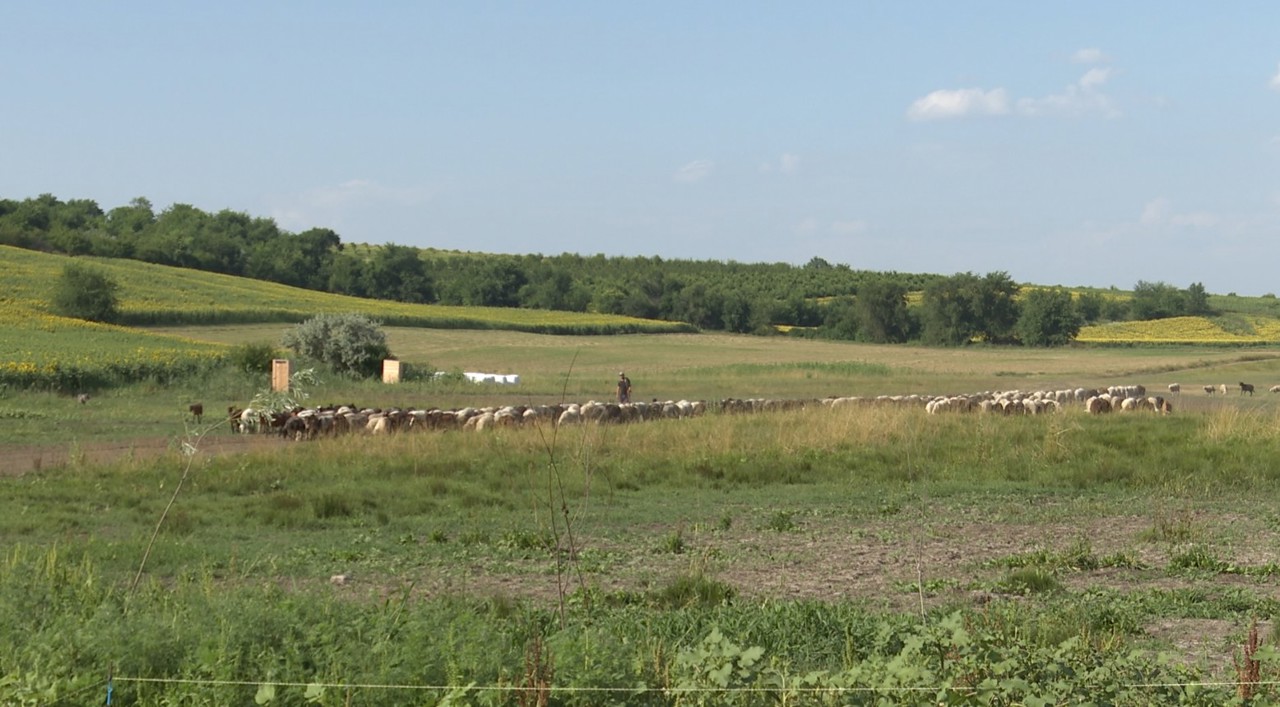
In the village of Todiresti, located in the Ungheni district, a personal passion has turned into an expanding agribusiness. Four years ago, Dumitru Obriste started raising livestock on a small scale. Today, alongside his wife Ana, he manages a flock of roughly 600 sheep and goats.
Despite the growth, scaling up operations remains a challenge. The family currently navigates tight distribution channels and persistent infrastructure deficits.
Adapting to local conditions
To maximize output, Obriste selected local Moldovan breeds crossed with Assaf sheep, a mix known for resilience and adaptability. While milking operations are fully mechanized, the facility lacks connection to the central power grid. As a result, the family relies on fuel generators to keep equipment running.
Logistics present an equally tough hurdle. Market access for fresh cheese and lamb remains largely informal, driven by word-of-mouth demand.
The farm caters directly to seasonal buyers and diaspora clients, often packaging orders and dispatching them via regional transit routes.
Structural hurdles in livestock sector
According to data from the National Bureau of Statistics, Moldova recorded over 531,000 sheep and goats at the start of the year. However, only 10% of these animals are raised within formal agricultural enterprises, highlighting a heavily fragmented sector dominated by smallholders.
For Obriste, overcoming distribution bottlenecks is the next critical step. Building a sustainable market presence requires bridging the gap between small-scale production and formal retail networks.
Translation by Iurie Tataru