Gas stocks, fuels, compensations, and winter action plan
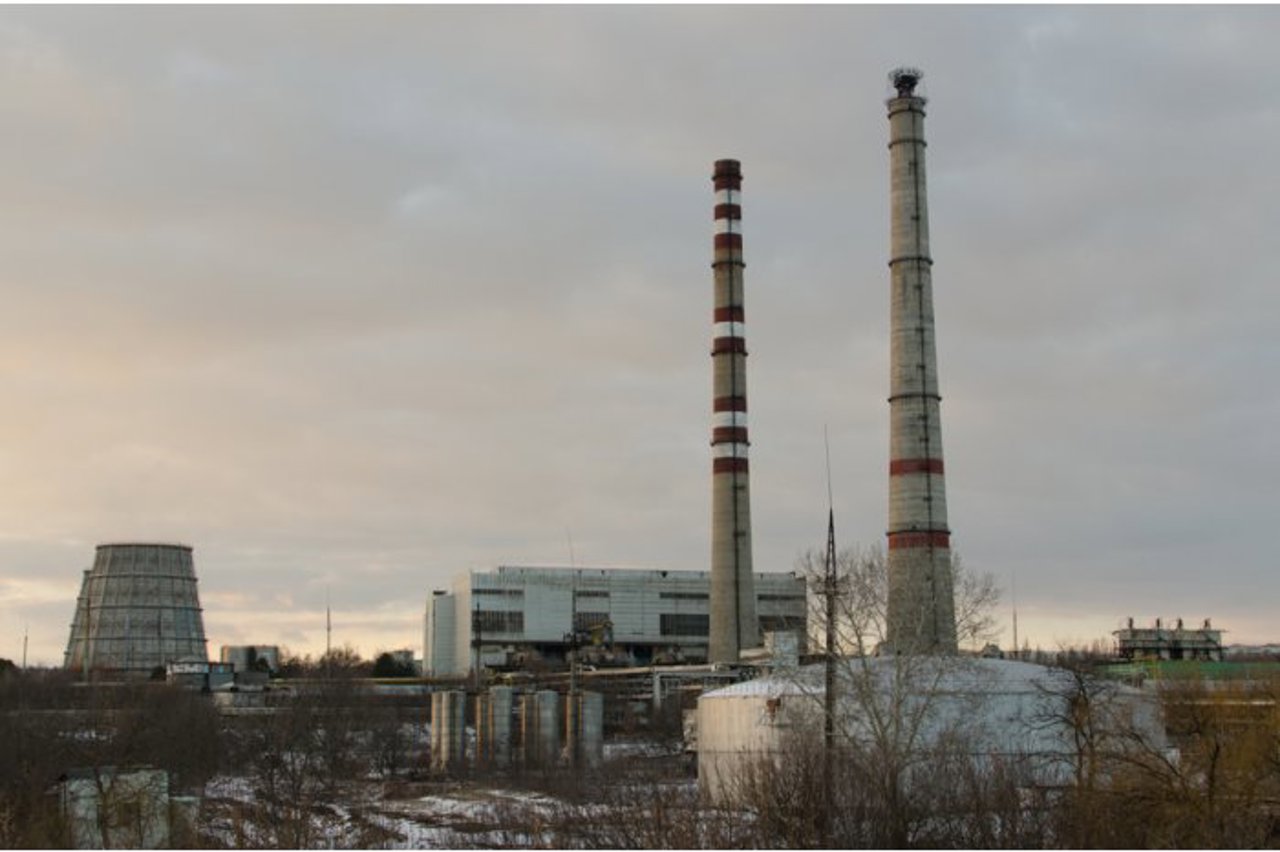
Natural gas, electricity, and thermal energy operators are required to establish security reserves, assess the condition of their infrastructure, and prepare alternative fuel supplies by mid-October and November. This is part of a comprehensive set of preparation measures for the 2026-2027 heating season, which is scheduled to be voted on by the Government during the meeting on September 9.
The document, structured in five chapters: electricity, natural gas, petroleum products, energy security and energy efficiency, establishes concrete and responsible deadlines for each measure, from the liberalization of the electricity market to the gas supply of the Transnistrian region.
Electricity: lines with Romania, market liberalization and emergency plans
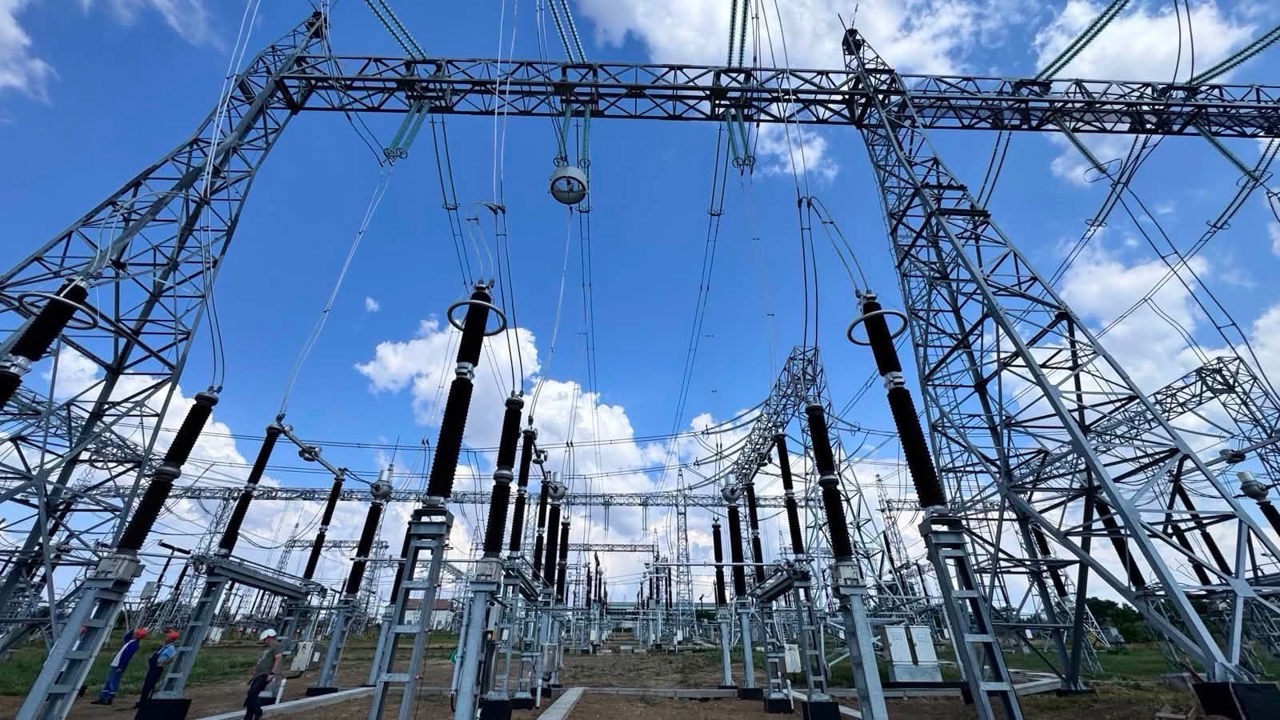
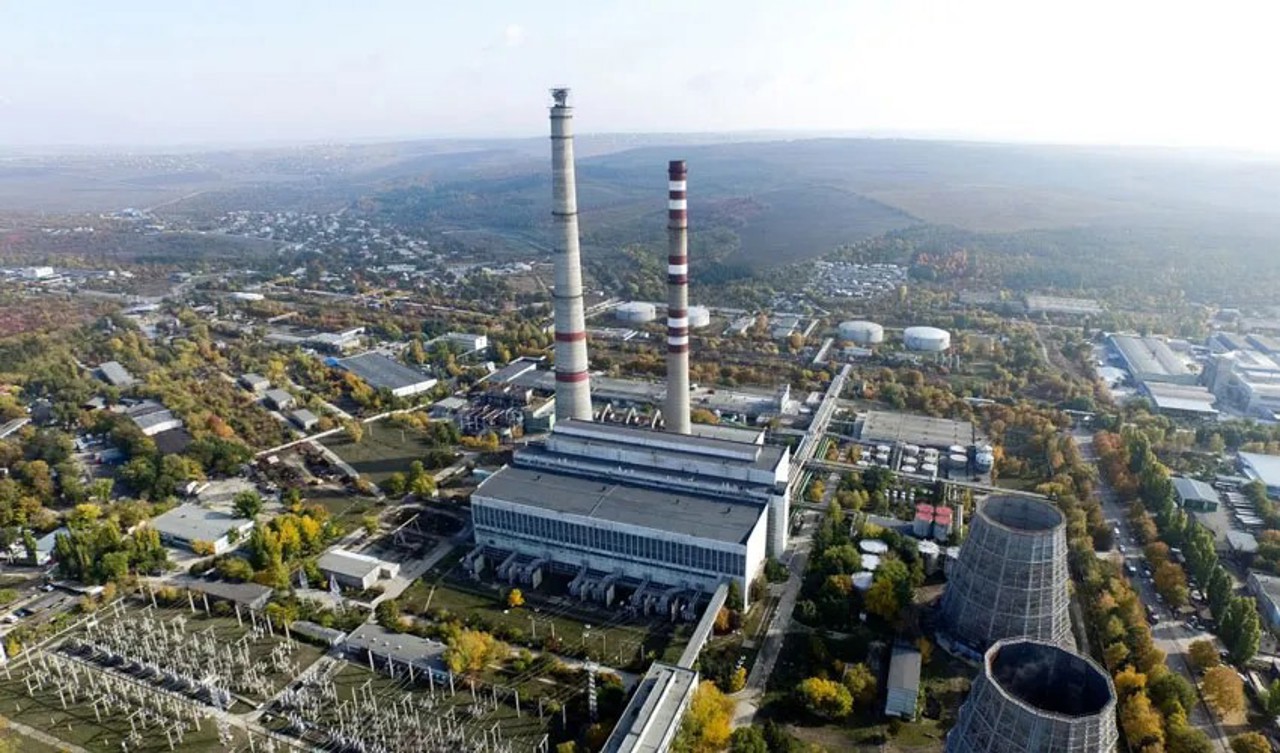
One of the important measures provided for in the electricity chapter is the commercial operation of the 400 kV Vulcănești-Chișinău overhead power line, scheduled for October 2026, initially promised for the end of 2025, the delays being explained by a series of factors, from weather conditions to complex bureaucratic expropriation procedures and some unforeseen technical malfunctions detected during the final tests at the Chișinău Power Station. The document also provides for the implementation of available measures to increase the commercial capacity of electricity transmission at the border with Romania, as well as maintaining the 110 kV power lines in a state of operational availability, so that they can be used, if necessary, in the supply of electricity from the National Power System of Romania.
The document also provides for the provision of contractual arrangements for the purchase of electricity from other markets in the region, in the event of a potential crisis, during the period October 2026 - April 2027, a responsibility that falls on the State Enterprise "Moldelectrica", SA "Energocom", the Ministry of Energy and ANRE.
Another set of measures aims at the liberalization of the electricity market: ANRE and the holders of supply licenses must plan, between October 1, 2026 and January 1, 2027, the negotiation of supply contracts with medium and large commercial companies. During the same extended period, until May 1, 2027, it is also planned to exclude district heating power plants from the support mechanisms provided for by Law no. 164/2025 on electricity, a measure that falls to ANRE, the Ministry of Energy, SA "Termoelectrica" and SA "CET-Nord".
The document also provides for the assessment, by October 15, 2026, of the possibility of fully covering the electricity demand through organized markets and imports, for the period after January 1, 2027, as well as a national analysis of the adequacy of the control area for the winter, which must be completed by November 1, 2026. The launch of the organized market for bilateral contracts is scheduled for September 30, 2026, and the development of plans for the defense and restoration of the electric power system — for December 15, 2026. The Ministry of Energy and the National Center for Sustainable Energy (CNED) will permanently run a public campaign to reduce electricity demand during peak hours.
Natural Gas: Procurement from multiple sources and supply to the Transnistrian region
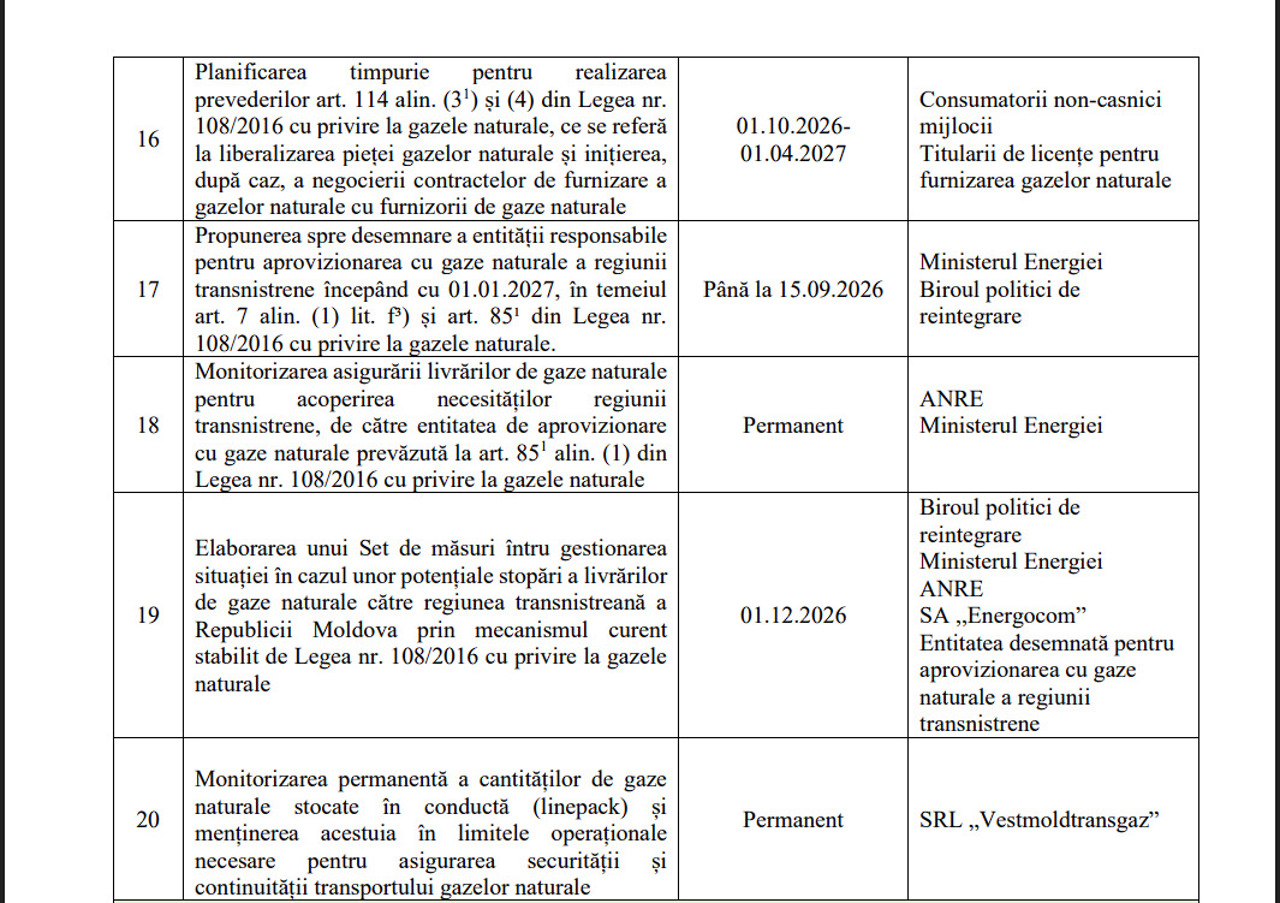
The document outlines the procurement of natural gas from various sources and through diversified supply routes as a permanent measure for holders of supply licenses. It also emphasizes the continuous monitoring of the technical capacities available at the interconnection points, a responsibility assigned to SRL "Vestmoldtransgaz."
A key priority is to resume gas supply to the Transnistrian region starting January 1, 2027. By September 15, 2026, the Ministry of Energy and the Reintegration Policy Office must propose the entity responsible for this supply. Additionally, authorities will monitor deliveries and develop contingency measures by December 1 in case of interruptions.
Furthermore, by December 1, 2026, the authorities are tasked with creating a comprehensive plan to manage a potential stoppage of gas supplies to the Transnistrian region. This task involves collaboration between the Reintegration Policy Office, the Ministry of Energy, ANRE, SA "Energocom," and the designated supplier for the region.
Lastly, the planning for the liberalization of the natural gas market for medium-sized non-household consumers is scheduled to take place between October 1, 2026, and April 1, 2027.
Transition to winter diesel by November 16
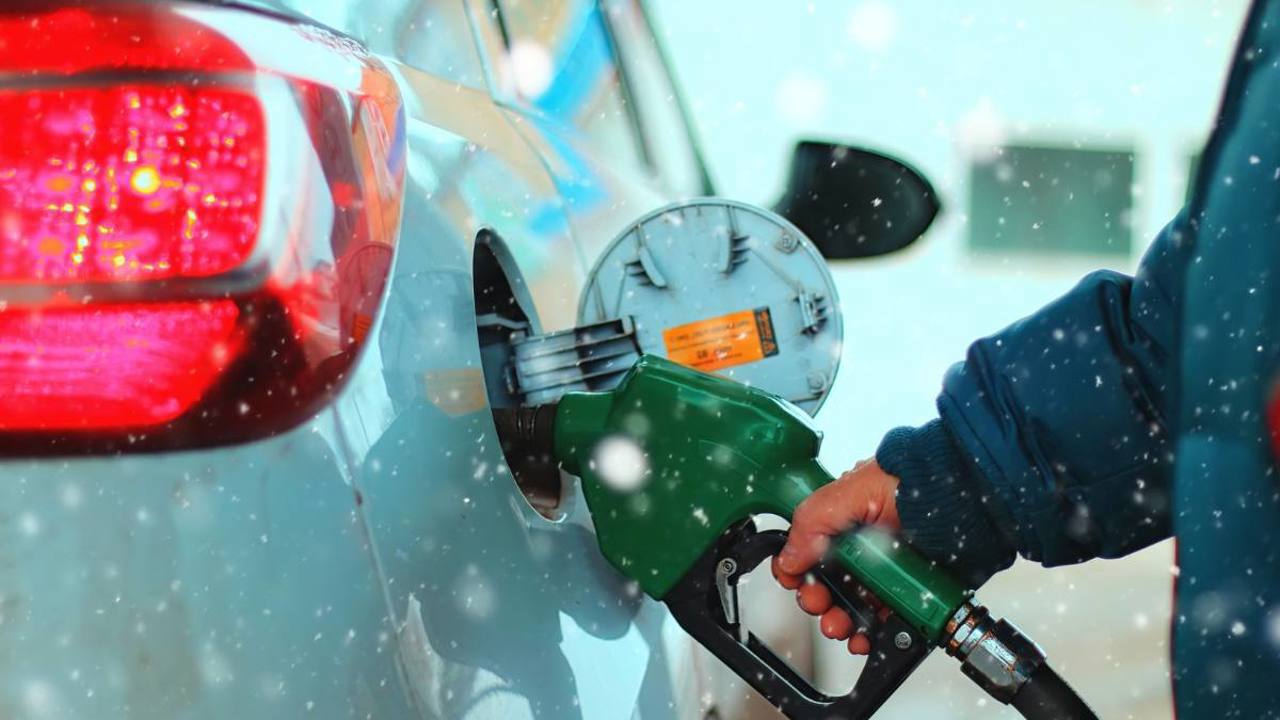
This document outlines that operators of diesel storage depots, in collaboration with the State Inspectorate for Supervision of Non-Food Products and Consumer Protection, must transition to winter diesel that meets the SM EN 590 standard by November 16, 2026.
From November 16, 2026, to March 15, 2027, the Inspectorate will be responsible for verifying the conformity of the diesel sold. This will include taking samples from depots and filling stations to test relevant parameters at low temperatures. Additionally, the National Energy Regulatory Agency (ANRE) will continuously monitor commercial petroleum product stocks to ensure they meet domestic consumption needs.
Energy security: gas stocks, railway capacities and protected consumers
The chapter dedicated to energy security contains some of the most numerous measures in the document. The operators of the gas and electricity distribution systems, together with the Ministry of Energy, must update, by October 15, 2026, the lists of protected and interruptible consumers, as well as the consumption estimates of these categories, including for the Transnistrian region.
JSC "Energocom" must create security stocks of natural gas by October 1, 2026, and the holders of licenses for the supply of gas on the retail market must establish their stocks related to the storage obligation by November 1, 2026, a deadline also valid for the entity designated to supply the Transnistrian region.
A notable measure concerns the railway sector: the State Enterprise "Moldova Railways", the Public Property Agency and the Ministry of Infrastructure and Regional Development must carry out, during the period 2026-2027, an inventory of the railway capacities available for fuel transport, including the number of locomotives and tank cars available, the daily transport capacity and any logistical constraints.
The document also provides for the replenishment of state reserves of energy resources, under the responsibility of the Material Reserves Agency and the Ministry of Internal Affairs, during 2026, as well as the creation and maintenance of reserve stocks of alternative fuels by SA "Termoelectrica", SA "CET-Nord" and other thermal energy suppliers, until November 1, 2026. The Ministry of Health and the General Inspectorate for Emergencies must ensure the permanent functionality of reserve sources for consumers required to own electric generators. The replenishment of equipment stocks for interventions is also scheduled for November 1, 2026, and the Ministry of Environment and the "Moldsilva" Agency must ensure the necessary wood mass for the population using this alternative heating source.
The document also provides for the strengthening of the cybersecurity of the IT systems of energy operators in the period October 2026 - April 2027, as well as the verification, by October 15, 2026, of the preparation of budgetary institutions, the housing stock and system operators for the cold season, a responsibility that falls to ANRE and the National Inspectorate for Technical Supervision.
Energy efficiency: compensation in bills, information campaigns and a model plan for public buildings
The last chapter of the document concerns energy efficiency. The Ministry of Labor and Social Protection must update, during the period 2026-2027, the eligibility criteria for support for energy-vulnerable households, based on the Law on the Energy Vulnerability Reduction Fund, and carry out related information campaigns.
The CNED, the Ministry of Energy, and other institutions are to launch, by October 15, 2026, campaigns to inform citizens about measures to reduce energy consumption — thermal insulation of buildings, the use of thermostats, and reducing indoor temperatures.
At the same time, each institution subordinate to the state will have to designate, by the same date, a person responsible for monitoring rational energy consumption and maintaining the recommended indoor temperature.
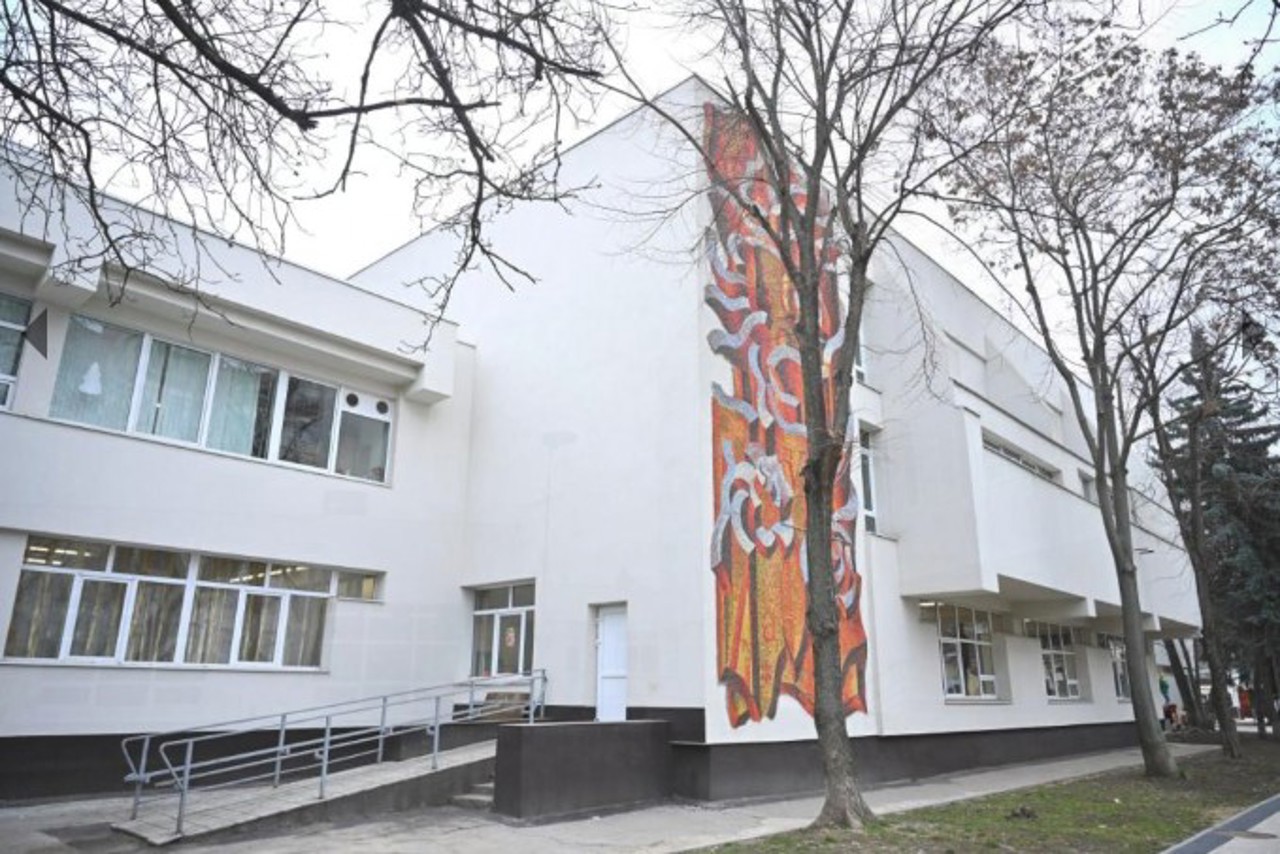
The document also includes a model plan of measures to improve energy efficiency in public buildings, to be implemented by central and local public authorities throughout the entire heating season, from July 2026 to June 2027. Among the measures included in this plan are periodic training of employees on energy efficiency, checking and optimizing heating plants, insulating heating pipes, checking windows and doors to reduce air infiltration, installing electronic thermostats, replacing incandescent lamps with energy-efficient ones, installing motion sensors for lighting, as well as monthly monitoring of electricity and fuel consumption.
Why these measures are necessary
The plan of measures for the 2026-2027 heating season comes against the backdrop of energy risks accumulated in recent years, both internationally and regionally. According to the substantiation note, the Government approves such a plan annually, starting in 2022, to reduce risks to the security of supply of energy resources, with similar measures previously established by Government decisions adopted in 2022, 2023, 2024 and 2025.
The document cites the global disruptions caused by the conflict in the Middle East, where the de facto closure of the Strait of Hormuz in early March 2026 interrupted the process of easing global gas balances, considerably reducing LNG deliveries from Qatar and the United Arab Emirates. Although traffic through the strait has partially resumed following an interim agreement between the United States and Iran, traffic remains below pre-conflict levels, and the risk of further disruptions persists. According to the note, on March 11, member states of the International Energy Agency unanimously decided on a coordinated release of approximately 400 million barrels of emergency oil reserves, the largest such action in the Agency's history.
At the European Union level, the document shows that the bloc entered the 2025-2026 winter season with the lowest gas stock levels in the last four years, which significantly complicates the replenishment cycle for the summer of 2026. The substantiation note also mentions the adoption, at the beginning of 2026, of a European regulation establishing the complete elimination of gas imports from the Russian Federation — LNG by January 1, 2027, and gas transported through pipelines, by November 2027, an objective to which the Republic of Moldova aligned itself through the Action Plan on Strengthening Energy Independence, approved in 2025.
Regarding the internal situation, the document emphasises that the Republic of Moldova remains almost entirely dependent on natural gas imports and lacks its own storage capacity, which is available only in neighbouring states. Gas consumption is highly seasonal, with approximately 85% of the annual volume occurring during the cold season, making the presence of flexible storage in the region essential. The note also recalls that, in May 2025, SA "Energocom" was designated as the supplier of last resort and provider of the public gas service, for a period of three years, after the license of SA "Moldovagaz" for the supply of natural gas to consumers on the right bank of the Nistru was withdrawn.
A separate chapter of the substantiation note is dedicated to the gas supply to the Transnistrian region, which is described as one of the most vulnerable areas of the national energy system. The document recalls that, after Gazprom ceased deliveries to the region on January 1, 2025, an alternative supply mechanism was identified, and JSC "Moldovagaz" was designated, by ANRE decisions, responsible for the establishment of gas stocks for the region, intended to cover at least 15% of the average annual consumption of the population and institutions providing essential social services. In the 2025-2026 heating season, due to payment delays, these stocks were almost exhausted as early as November-December 2025, posing additional risks to the balance of the national gas transport system.
The substantiation note also deals extensively with the vulnerability of the power sector on the right bank of the Nistru. The document shows that, after the cessation, on January 1, 2025, of gas supplies to the Cuciurgan Power Plant (MGRES), which previously provided up to 80% of the electricity consumed on the right bank, the supply was achieved by diversifying sources, especially through imports from Romania and Ukraine, as well as by increasing domestic production. The document emphasizes, however, that the Republic of Moldova has only one high-capacity electricity interconnection line with the European Union, the Isaccea-Vulcănești line, which creates a critical dependence on a single infrastructure. The vulnerability of this situation materialized in March 2026, when the Russian Federation's attacks on Ukrainian energy infrastructure led to the disconnection of the Vulcănești-Isaccea line, generating a power deficit of up to 400 MW during peak hours and determining the declaration of a state of emergency in the energy sector, between March 25 and April 25, 2026.
To reduce this vulnerability, the document notes the completion, at the end of June 2026, of the construction works on the 400 kV Vulcănești-Chișinău overhead power line, which is currently in the final testing stage before commercial operation and is considered a priority for the country's energy security.
Currently, the number of final consumers of natural gas in the Republic of Moldova exceeds 835,000, and that of electricity consumers exceeds 1,330,000. The document notes that the country remains almost entirely dependent on natural gas imports, and that only 20-30% of the electricity consumed annually is produced locally, meaning that any disruption in supply, especially in the cold season, can have a significant impact on the national economy.