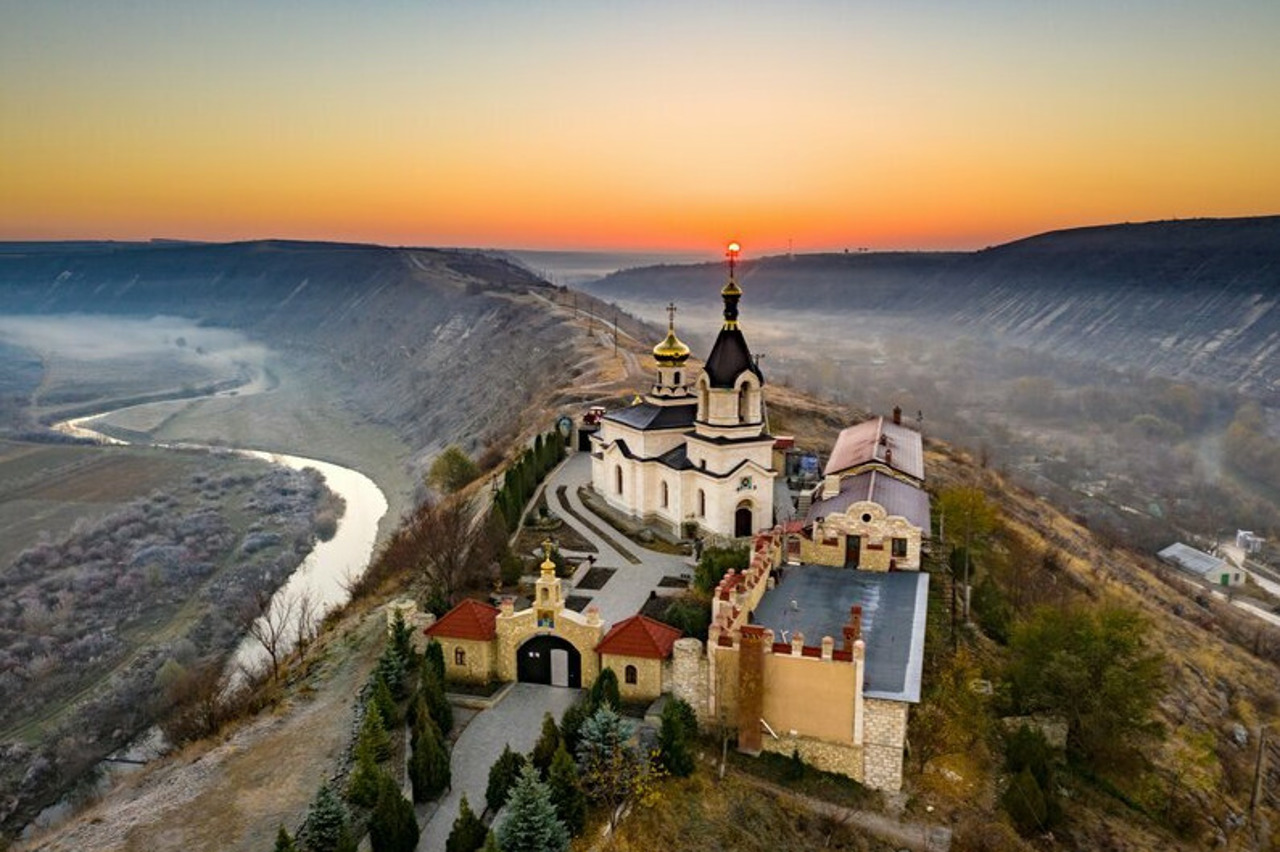
Moldovan cities open bids for European Capital of Culture 2033
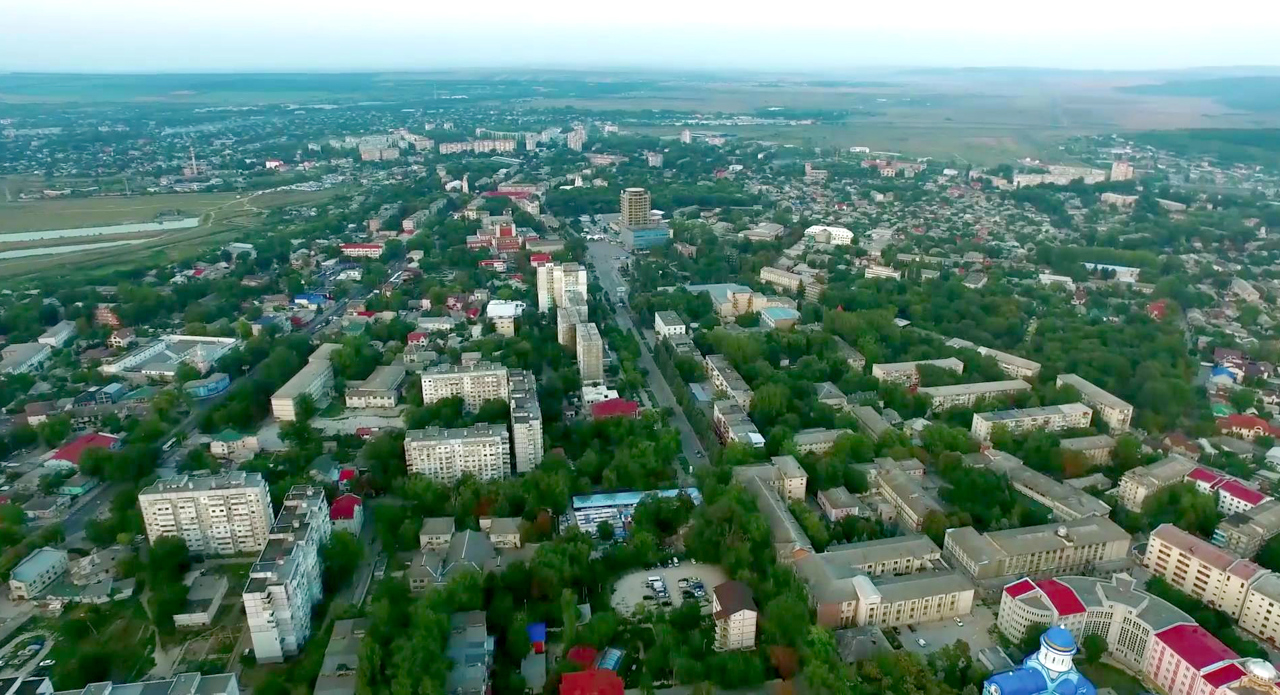
Moldovan municipalities are invited to enter the national competition for the European Capital of Culture 2033 title, submitting long-term urban cultural development blueprints ahead of the October 4 application deadline.
The national selection procedure serves as the initial qualifying round to select the single candidate city that will represent the Republic of Moldova in the broader European Union competition. Municipalities may submit their application files in both digital and physical formats.
The Estonian benchmark: Tartu 2024
The initiative follows the successful precedent set by other European cities, most notably Tartu in Estonia, which held the title in 2024. The designation drew more than one million visitors and generated hundreds of cultural initiatives, boosting the local economy and elevating the city's international profile following seven years of rigorous preparation.
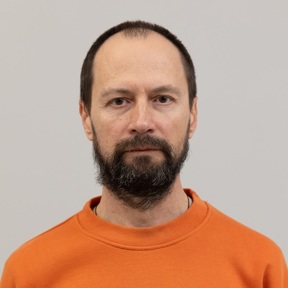
“This artistic concept was not created by politicians, but by the community. Political support is undoubtedly important, but it is not decisive,” said Hannes Rumm, former head of the European Commission Representation in Estonia.
Widely regarded as the cradle of Estonian culture, Tartu is home to the country’s oldest university, founded in 1632. The city built its year-long cultural programme around the overarching theme “Arts of Survival,” delivering more than one thousand events backed by a budget of €26 million (approx. 520.65 million MDL).
“There is a saying that Tartu is the city of good thoughts and smart people. The residents here are deeply connected to European values and know how to seize opportunities,” Rumm added.
Shared historical academic roots
The Estonian academic center holds deep historical significance for Moldova. Key Bessarabian political figures who signed the 1918 Union Declaration—including Pantelimon Halippa, Ion Inculeț, and Ion Pelivan—studied at the university between 1905 and 1908, when it was known as Dorpat.
“The policy of the Tsarist Empire barred populations in peripheral regions from entering university centers in Moscow or Saint Petersburg. For this reason, young people from Bessarabia, Ukraine, Georgia, and Armenia studied in Tartu,” Rumm explained. “We are proud that this European-level institution contributed to the formation of cultural and political elites from multiple nations.”
Municipalities across Moldova now have until October 4 to submit their bids and vie for the 2033 European designation.
Translation by Iurie Tataru
RELATED COVERAGE
- New culture minister faces questions over CV and past
- Ministry of Culture allocates over 9.6 million lei to support three children's magazines
- Arc de Triomphe restoration in doubt: "Let us take over"
- Moldova permanently shuts down Russian Cultural Center in Chisinau
- MEP: Romania will remain Moldova's EU integration partner