Moldova rail tariff cut fails to spur Ukraine grain flow
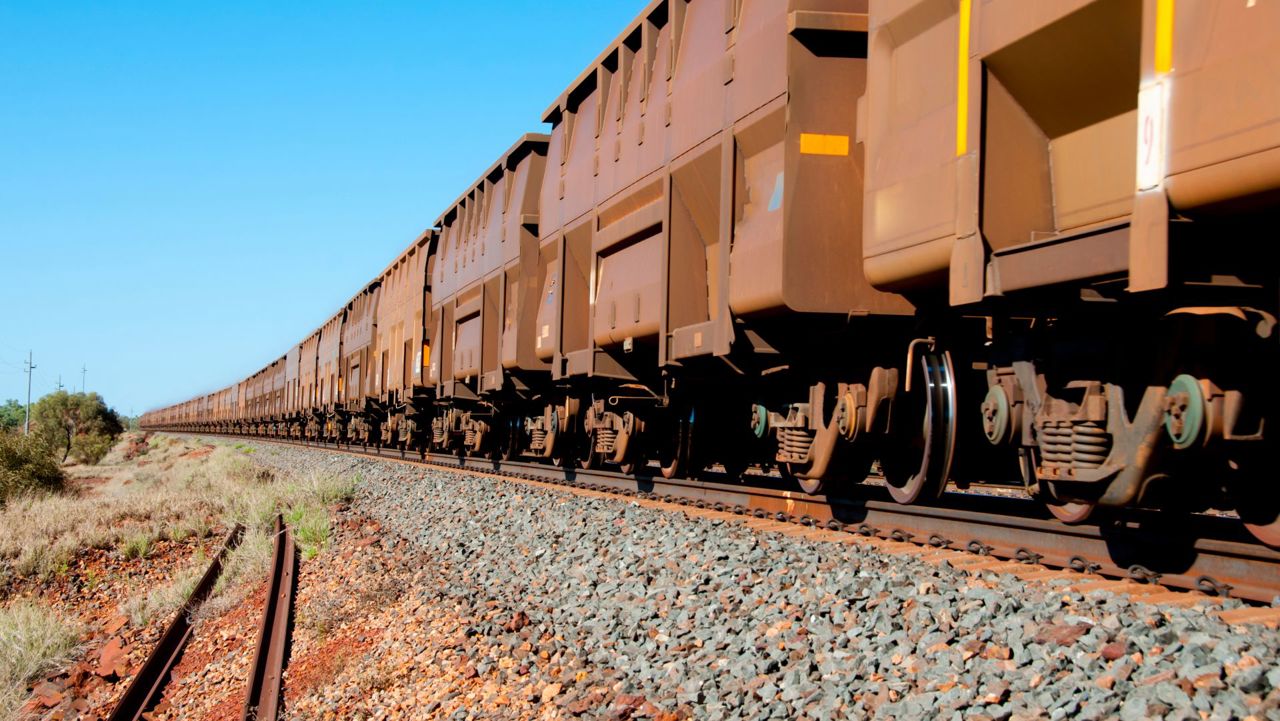
Moldova offered a 50% freight transit discount, but Ukrainian exporters continue to favor competing European routes, leaving Moldovan tracks operating far below target capacities, logistics analysts reported.
Only 15 to 20 freight wagons cross daily along the northern Vălcineț–Bălți–Ungheni corridor, representing barely 8% of Ukraine’s western outbound rail volume. Freight specialists noted that tariff reductions alone cannot overcome systemic infrastructure deficits, shortage of rolling stock, and complex border procedures with Romania.
Capacity limits constrain trade
Since transit resumed on August 18, approximately 600 rail cars carrying 40,000 tonnes of grain entered the country, according to agricultural market analyst Iurie Rija. He estimated that Moldovan tracks could handle at most 360,000 tonnes through the end of the year, dismissing previous projections of four million tonnes as unattainable.
“The Moldovan route remains secondary within wider Ukrainian and Romanian logistics, primarily serving as an alternative branch toward the port of Constanța,” said Rija.
Logistics are further unbalanced by return traffic. While over 500 loaded wagons entered the country during the analyzed period, only 50 empty wagons returned to Ukraine, straining terminal yards. Rija emphasized that international grain traffic remains crucial because it generates revenue for state carrier CFM, justifying network upgrades that domestic freight volumes cannot support.
Gauge shifts hinder competitiveness
Structural infrastructure issues compound the delays. Ukrainian shipments bound for Constanța face an axle gauge changeover at the Romanian frontier, transitioning from broad tracks to standard European lines, said former CFM director Oleg Tofilat.
“If initiatives launched in 2023 with Romanian rail partners had continued—such as expanding wagon handover capacity at Galați—we might be offering viable alternatives today,” said Tofilat, who currently heads the Union of Transporters and Road Builders. He added that low summer water levels along the Danube also restricted river barge access.
Chisinau recently reached an agreement with Kyiv granting the 50% transit discount, aiming to secure several million euros in revenue for CFM. While local agricultural producers raised concerns that heavy transit could congest border checkpoints, Ukraine plans to export up to six million tonnes regionally during the 2026 agricultural season, with Moldova seeking to capture a 10% share. The Ministry of Infrastructure and Regional Development reported ongoing works to expand rail corridor capacity.
Translation by Iurie Tataru