Moldova’s central bank raises base rate to 9%

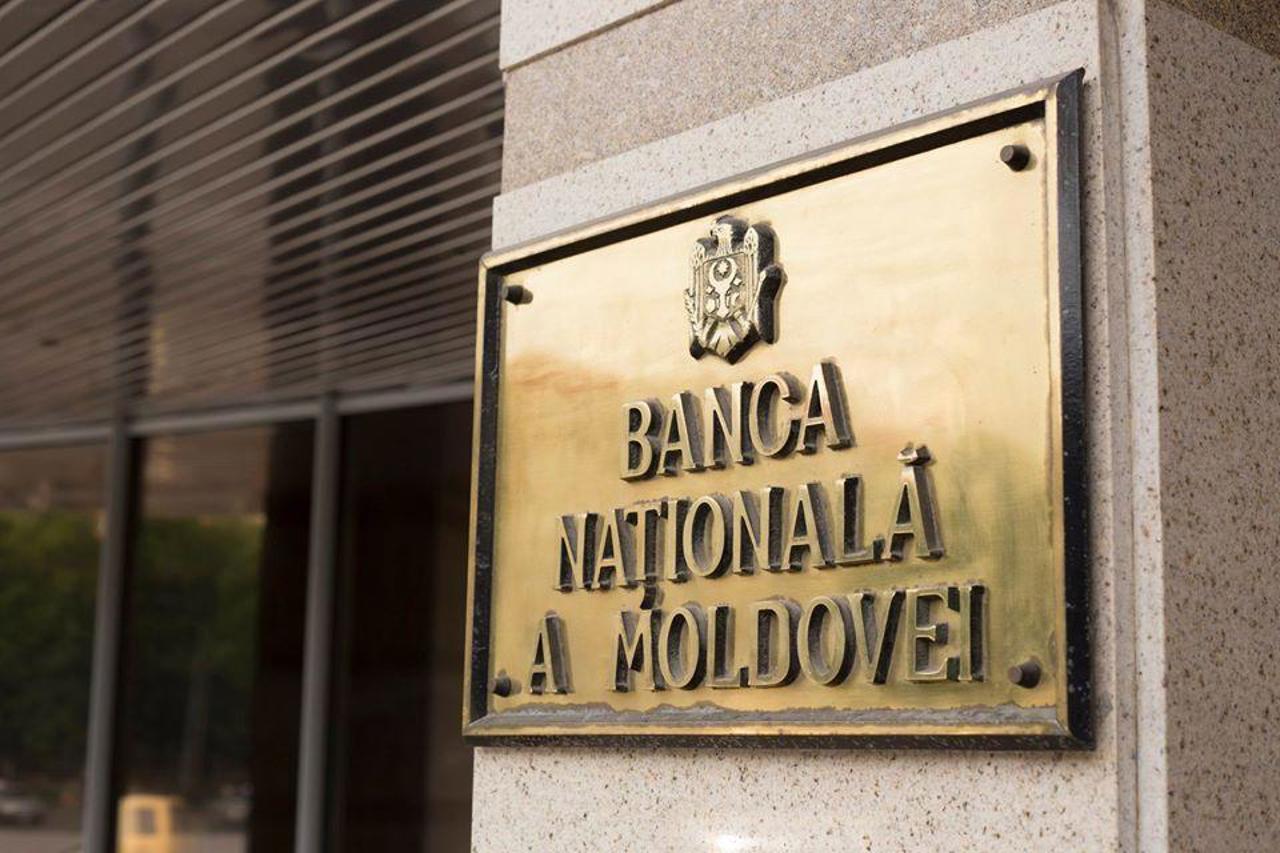
The National Bank of Moldova raised its base rate to 9% on September 17, citing stronger inflationary pressures and energy market volatility.
Monetary policy remains restrictive
The NBM raised the base rate for key short-term monetary policy operations by 1.5 percentage points. The overnight lending rate was set at 11%, the repo rate at 9.25%, and the overnight deposit rate at 7%.
Mandatory reserve requirements remain unchanged at 18% for funds raised in Moldovan lei and non-convertible currencies, and 26% for funds raised in freely convertible currencies.
The central bank said the decision was driven by inflationary pressures from both supply and domestic demand. The policy aims to ease price pressures, encourage saving over consumption and anchor inflation expectations.
“With this decision, the National Bank of Moldova seeks to reduce inflationary pressures, mitigate the secondary effects of supply shocks, encourage saving over consumption, and anchor inflation expectations,” the central bank said.
Inflation remains above the target corridor
The NBM aims to bring annual inflation back within the 5% target, with a permitted deviation of 1.5 percentage points in either direction. Annual inflation reached 6.96% in August, up 0.62 percentage points from July, exceeding the upper limit of the target corridor.
The central bank said inflation was nevertheless lower than projected in its August Inflation Report. It cited the delayed adjustment of the natural gas tariff as one factor behind slower growth in regulated prices.
External risks remain significant
The NBM also pointed to geopolitical uncertainty and volatility in energy markets. It said the euro area's economic growth prospects remain moderate, while average annual inflation is expected to stay above the European Central Bank's target.
The ECB decided on September 10 to raise its three key interest rates by 25 basis points, with the new rates taking effect on September 16. The ECB's deposit facility rate rose to 2.50%, the main refinancing rate to 2.65%, and the marginal lending facility rate to 2.90%. :contentReference[oaicite:6]{index=6}
The NBM also noted continued volatility in international oil prices and European natural gas prices.
“Since the beginning of September, Brent crude oil and Dutch TTF gas prices have continued to rise amid renewed hostilities between the United States and Iran, increasing concerns about persistent global inflation,” the central bank said.
NBM to monitor inflation risks
The central bank said it would continue monitoring domestic and external economic developments and the risks affecting inflation in the short and medium term.
“The NBM continues to closely monitor the domestic and external macroeconomic situation, as well as the risks and uncertainties associated with inflation developments in the short and medium term,” the institution said.
Future monetary policy decisions will be based on updated inflation prospects and will aim to ensure and maintain price stability.
The next NBM Executive Board meeting on monetary policy is scheduled for November 5, 2026.
Translation by Iurie Tataru
RELATED COVERAGE