Moldova to fund IVF for uninsured women from 2027
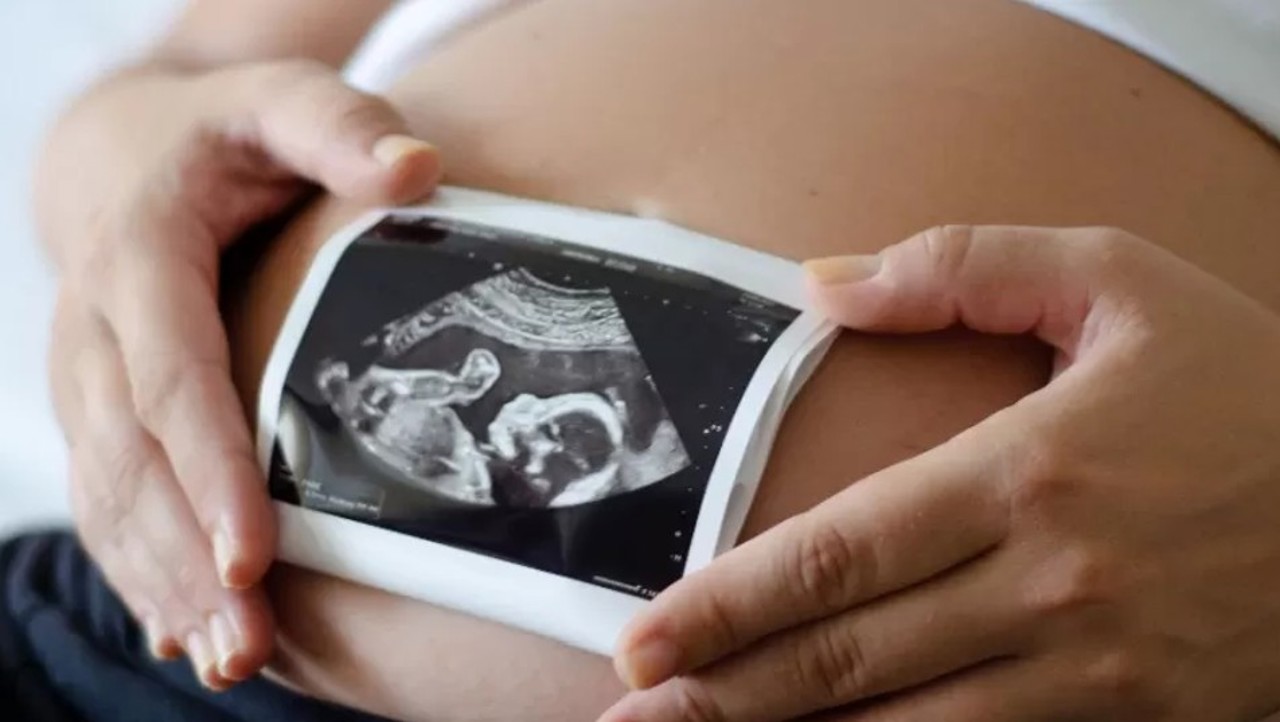
Moldova will fund in vitro fertilisation procedures for medically eligible women regardless of their health insurance status starting in 2027, Health Minister Alexandru Gasnaș announced.
The measure forms a central part of the new National Programme for Sexual and Reproductive Health 2026–2030, which aims to dismantle financial barriers for couples struggling to conceive.
Universal access to fertility treatment
Since 2017, the state has partially covered IVF costs exclusively for insured couples who meet strict medical criteria. The new strategy broadens coverage to ensure that lack of health insurance no longer prevents women from receiving specialized fertility care.
“The new sexual and reproductive health programme for 2026–2030 proposes that, starting in 2027, medically eligible women will benefit from in vitro fertilisation procedures funded from the state budget,” said Alexandru Gasnaș.
The minister noted that treatment costs often become an insurmountable obstacle following years of diagnostic investigations and unsuccessful therapies. Expanding access aims to ensure equitable medical support across the country.
“We want to reduce access disparities, raise the quality of sexual and reproductive health services, and improve maternal and neonatal health,” said Gasnaș. “Our objective is for people to receive timely information, counseling, and medical care, leaving no one behind.”
Demographic pressure and infertility surge
The reform comes as Moldova grapples with a deepening demographic crisis and plunging birth rates. Approximately one in six couples in the country is affected by infertility, with male factors accounting for half of all diagnosed cases.
Medical specialists point to delayed parenthood, environmental pollution, and lifestyle factors as major drivers of fertility problems. Specialists also caution that pregnancy success rates through IVF decline steeply for women over the age of 40.
The demographic shift has sharply contracted the country’s population replenishment. While Moldovan maternity wards recorded around 50,000 newborns annually in the early 1990s, annual births dropped to just 22,000 in 2025.
Translation by Iurie Tataru
RELATED COVERAGE
- Moldova expands state-funded IVF access to uninsured couples
- Fewer births, later motherhood in Moldova
- Moldova moves to cut red tape for booming dental tourism
- Doctors advise targeted health checks as school starts in Moldova
- Ministry of Health plans investments in public hospitals to attract patients back from private clinics