US sanctions Shor-linked A7 network over Russia, Iran evasion
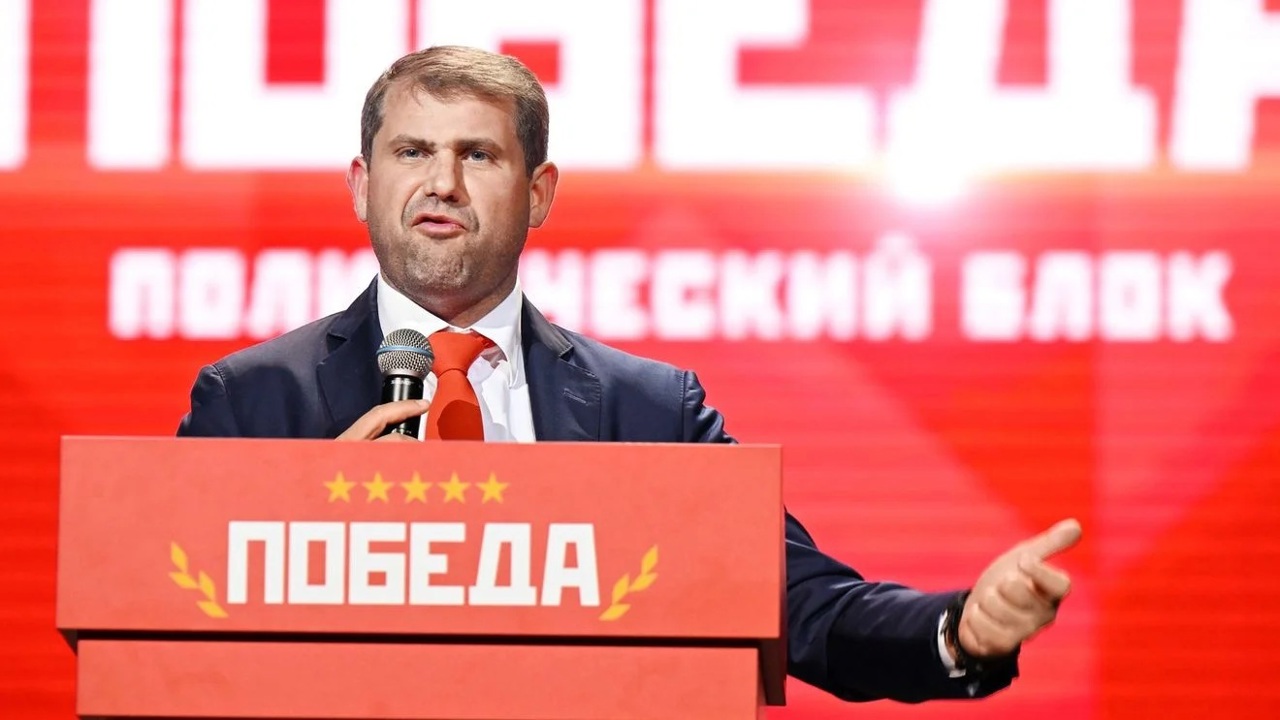
The United States designated the A7 financial network, linked to convicted fugitive oligarch Ilan Shor, as a transnational criminal organization on Wednesday, accusing the clearinghouse of facilitating sanctions evasion for Russia and Iran.
The sanctions will block all financial transactions by front entities tied to the network.
“Treasury is dismantling the financial infrastructure enabling Iran and other adversaries to evade sanctions, move illicit funds, and undermine the integrity of the international financial system,” said U.S. Treasury Secretary Scott Bessent.
“Today's action builds on Treasury’s unprecedented campaign to isolate Iran and its financial proxies, sending a clear message: if you facilitate illicit finance for America’s adversaries, you will lose access to the U.S. financial system,” Bessent said.
Billions routed through shell companies
The A7 network was established by sanctioned individuals to bypass Western trade restrictions. It developed an international web of front companies designed specifically to process cross-border payments.
According to the official Treasury statement, the network exploited the global financial architecture by creating fictitious companies, falsifying trade documents, altering import-export registers, and misdeclaring goods to disguise illicit payments as routine commerce.
By January 2026, A7 processed more than 2,000 transactions daily with an aggregate volume exceeding $91.5 billion. That sum represented approximately 13% of the Russian Federation's total foreign trade in 2025. The platform's front companies were actively used to market Iranian oil and procure military hardware.
The U.S. Treasury identified the platform as an enterprise linked to Ilan Shor, describing him as a convicted and sanctioned criminal who operated front entities to mask illicit financial flows as legitimate trade.
Ties to illicit crypto hubs and state oil
U.S. investigators determined that the fraudulent scheme provided financial backing to Iran’s Islamic Revolutionary Guard Corps (IRGC) and proxy groups, including Hamas. The network also maintained operational ties with Nobitex, Iran's largest digital asset exchange, and processed transactions linked to North Korean cyberattacks targeting cryptocurrency platforms.
In addition, the network deployed its proprietary token, A7A5, to settle international transactions outside regular regulatory surveillance while generating revenue for sanctioned firms.
International media investigations had previously exposed A7’s covert operations under Kremlin protection. A report by the Financial Times revealed that Russian state oil giant Rosneft, led by Igor Sechin and placed under U.S. sanctions in October 2025, served as an operational anchor for the scheme by providing the foreign currency required for A7's foreign transfers.
The laundering mechanism functioned through roughly 200 shell companies registered under nominal individual proxies. Through these entities, A7 executed SWIFT payments on behalf of Russian buyers, replenishing foreign accounts with export revenues denominated in United Arab Emirates dirhams from 16 Rosneft-affiliated entities.
Translation by Iurie Tataru
RELATED COVERAGE
- From persona non-grata to number 1 in the Russian Federation: How Ilan Shor's empire serves the Kremlin
- US Treasury extends Lukoil assets sale deadline to December 13
- Ilan Shor's controversial war zone amusement park project
- LIST: Canada sanctions 15 people over suspected Russian interference in Moldova
- EU Threatens Moldova Sanctions Expansion