Moldova’s EU path to 2030 hinges on reforms and geopolitics
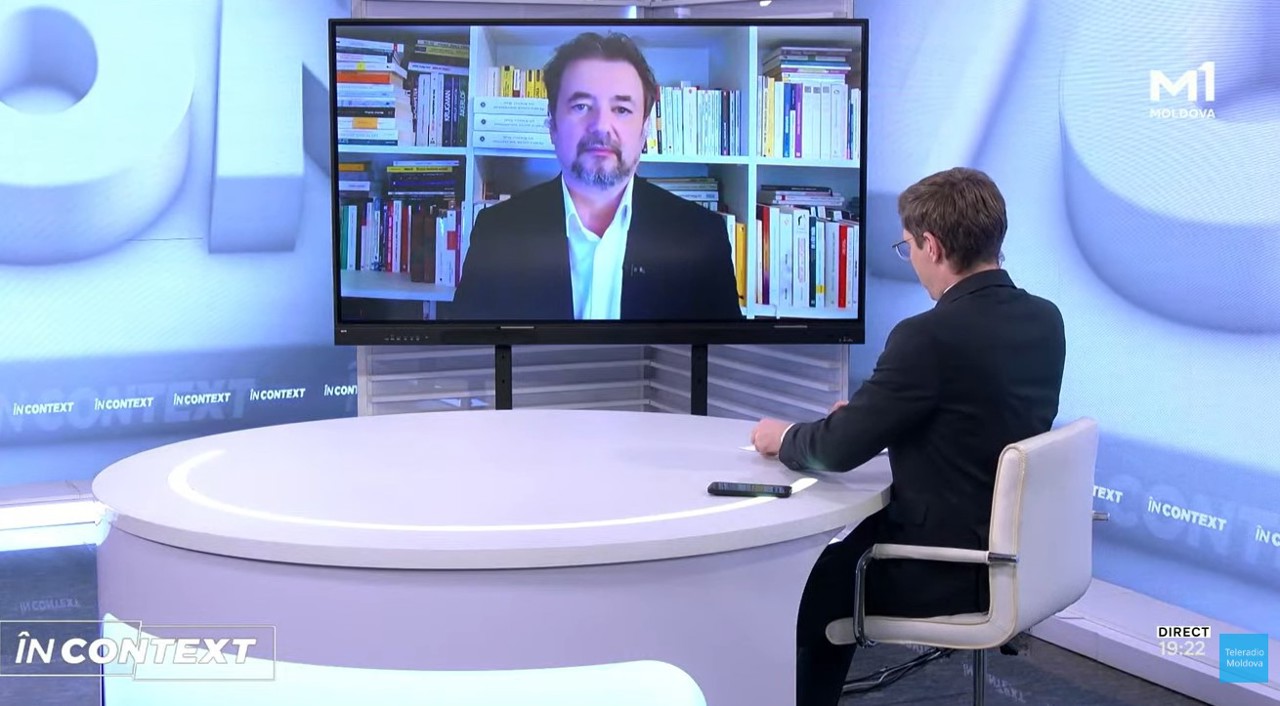
Moldova has opened negotiations on two more European Union accession clusters, bringing 24 of 33 chapters into talks as political scientist Cristian Pîrvulescu says membership by 2030 remains possible.
Reforms remain central to Moldova’s EU ambitions
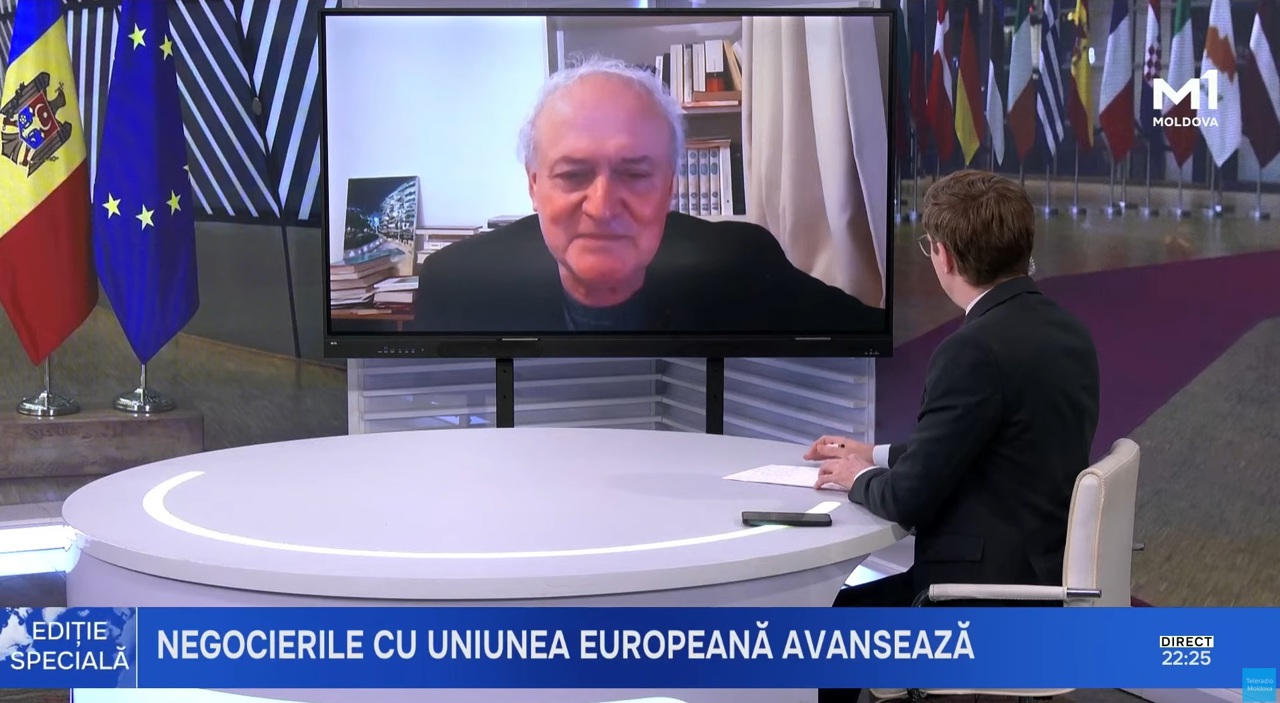
The opening of negotiations on the Internal Market and Competitiveness and Inclusive Growth clusters marks another step in Moldova’s bid to join the European Union. However, meeting the 2030 target will depend on the pace of domestic reforms and the wider geopolitical situation, according to Romanian political scientist Cristian Pîrvulescu.
Speaking on Moldova 1’s “In Context” programme, Pîrvulescu said the new negotiating areas brought Chisinau closer to its goal, while warning that some chapters would pose administrative and institutional challenges.
“From this point onwards, we are indeed getting closer to the final goal. We will, however, have to see what gets resolved and what gets closed,” he said.
The negotiations cover areas including customs and public services. Pîrvulescu said Moldova had made visible progress, but would still need to demonstrate its ability to implement European rules and standards.
Justice reform and anti-corruption are key tests
Progress on the chapters covering the EU’s fundamental values will depend on Moldova’s ability to deliver results in judicial reform and the fight against corruption, the political scientist said.
He argued that the process had proved difficult not necessarily because of a lack of political will, but because of entrenched resistance to change.
“Without the rule of law, you can never be certain that businesses and economic and trade relations will be fair, or that rules will be respected,” Pîrvulescu said.
He added that the major banking fraud scandal in Moldova had raised serious questions about the country’s institutions, making demonstrable change essential to restoring confidence.
Ukraine war adds urgency to EU enlargement
Developments in Ukraine could bring faster accession for both Ukraine and Moldova back onto the European agenda, Pîrvulescu said. He argued that Moldova was in a more advanced position in the negotiations, partly because it was not facing a direct military invasion.
“Moldova does not have time. The war is in Ukraine, and we do not know how it will develop. Urgency is essential, but it must clearly produce results,” he said.
Any acceleration, however, would depend on tangible progress rather than political declarations alone.
EU member states will shape the outcome
Moldova’s accession prospects will also depend on negotiations within the European Union, where the European Commission works alongside the Council of the European Union and representatives of member states.
Pîrvulescu pointed to the role of the Committee of Permanent Representatives, known as Coreper, where national governments negotiate compromises before many issues reach ministerial level.
He said alliances among some member-state governments could complicate EU policies and affect enlargement. Referring to Hungary’s pressure on Ukraine, he argued that the political consequences had also affected Moldova’s European prospects.
These comments reflect Pîrvulescu’s assessment of the political dynamics within the bloc rather than a formal EU determination about the accession timetable.
Ukraine poses a different economic challenge
Pîrvulescu said Moldova’s accession would be less economically disruptive for existing member states than Ukraine’s, particularly because Ukraine has a much larger agricultural sector.
Moldova is a small state that does not compete with major producers, he said, contrasting it with Ukraine’s potential competition for French, Italian and Spanish agricultural producers.
He argued that concerns about economic competition could influence the safeguards and compromises surrounding enlargement, even as the EU weighs its broader geopolitical interests.
The breakaway region remains a challenge
The region on the left bank of the Dniester, which is outside the effective control of Moldova’s central authorities, remains another challenge for the accession process.
Pîrvulescu said economic interests in the region could encourage the de facto separatist authorities in Tiraspol to accommodate Chisinau’s conditions. He suggested that developments in Ukraine could prove decisive.
“A significant part of Moldova’s economic strength is still on the left bank of the Dniester,” he said, adding that the region’s leadership would have to respond to changes in the regional balance of power.
He argued that a change in the course of the war could increase pressure on the separatist administration to accept conditions set by the Moldovan authorities.
Accession by 2030 remains possible, but not guaranteed
Asked whether Moldova could complete accession negotiations by 2028 and sign an accession treaty in 2030, Pîrvulescu said he considered the timetable achievable.
He praised the Moldovan negotiating team’s ability to engage with European partners and argued that the country was well positioned to advance its application.
“Moldova has demonstrated that it can negotiate competently, and I believe this timetable is possible,” he said.
However, he stressed that the outcome would depend not only on Chisinau and Brussels, but also on international developments, including political decisions in the United States.
Moldova opened negotiations on the Internal Market and Competitiveness and Inclusive Growth clusters at the fourth Moldova–EU Intergovernmental Conference in Luxembourg on October 13, 2026. The move brought the number of negotiating chapters opened to 24 out of 33, according to Moldovan authorities.
The authorities have said they aim to open negotiations on the remaining clusters by the end of the year. The broader objective remains to complete negotiations by 2028 and pursue EU membership by 2030, subject to reforms and the agreement of EU member states.
Translation by Iurie Tataru
RELATED COVERAGE
- The Republic of Moldova begins EU accession talks for two new clusters
- EU to deliver accession roadmap to Moldova on October 28
- EU diplomats tie Moldova accession to justice reform
- EU-Moldova summit solidifies merit-based accession path
- Cristian Pîrvulescu: Outside the EU it is very difficult to achieve prosperity