Moldova expands energy storage as grid bottlenecks slow renewables
Moldova is accelerating investments in battery storage and energy diversification to curb import reliance, even as grid bottlenecks and bureaucratic delays stall newly built renewable power projects.
Solar surpluses and storage deficits
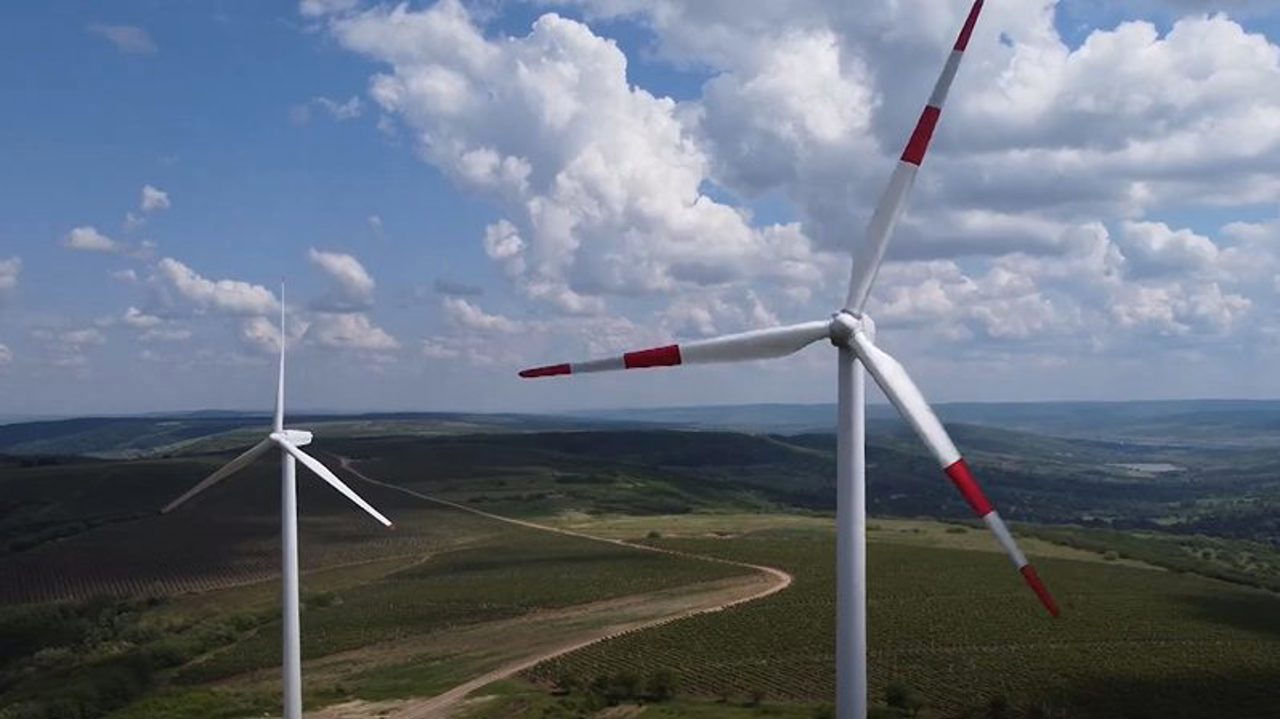
Installed renewable capacity has crossed the one-gigawatt threshold, but two-thirds of that capacity consists of solar farms that cannot balance round-the-clock consumption, State Secretary for Energy Carolina Novac said on Radio Moldova's Spațiul Public program. Because peak domestic generation does not align with peak evening demand, the cabinet is prioritizing battery infrastructure to store mid-day generation and displace peak-hour imports.
“We clearly need this storage component, particularly for photovoltaic parks,” Novac said. “Storing daytime excess power allows it to be dispatched precisely when our imports spike.”
To unlock private capital, the Ministry of Energy and the Organization for Entrepreneurship Development (ODA) are finalizing "EnergoGarant," a credit guarantee facility covering bank loans of up to €2.0 million (approx. 38.6 million MDL) for clean energy producers. The government also plans to migrate all permitting documentation onto the state digital platform EVO to reduce administrative frictions.
Investors demand regulatory certainty
However, commercial developers argue that regulatory predictability is just as critical as red-tape reduction. Renewable energy producer Veaceslav Moldovan warned that recent regulatory updates have slowed administrative approvals rather than accelerating them.
“Permitting takes 12 to 24 months under state support schemes, whereas the private sector can build in six to seven months,” Moldovan said. “Following amendments to the Urban Planning Code, approvals stalled inside a single agency that had neither statutory deadlines nor clear document checklists.”
Moldovan also urged policymakers to set required capacity targets while leaving technology selection to the open market. Novac responded that authorities do not intend to dictate corporate technology choices, noting that current policies define capacity trajectories required for grid security rather than mandatory equipment specifications.
Persistent import vulnerabilities
Moldova relies on foreign imports for up to 60% of its electricity consumption, but aims to source at least 30% of its power from domestic renewables by 2030.
In September, state electricity trader Energocom procured 266,565 MWh at an average clearing price of €157.42/MWh, up €0.62/MWh from August. Domestic power plants supplied just 17.12% of the month's total demand. Commercial renewable parks provided 15.42% of that volume, while combined heat-and-power plants CET-Nord and Termoelectrica contributed the remaining 1.70%.
Translation by Iurie Tataru
RELATED COVERAGE
- Moldova expands green subsidies as households slash power bills
- Clean energy for all: Moldova Eco Energetica 2026 awards best initiatives
- Largest electricity storage system launched in Straseni: 60 MWh capacity
- Moldova's electricity demand fully covered for Aug. 7
- Moldova faces winter utility hikes across gas, heat, power