Hidden costs of Russian drones in Moldova: 'No bill for this terror'
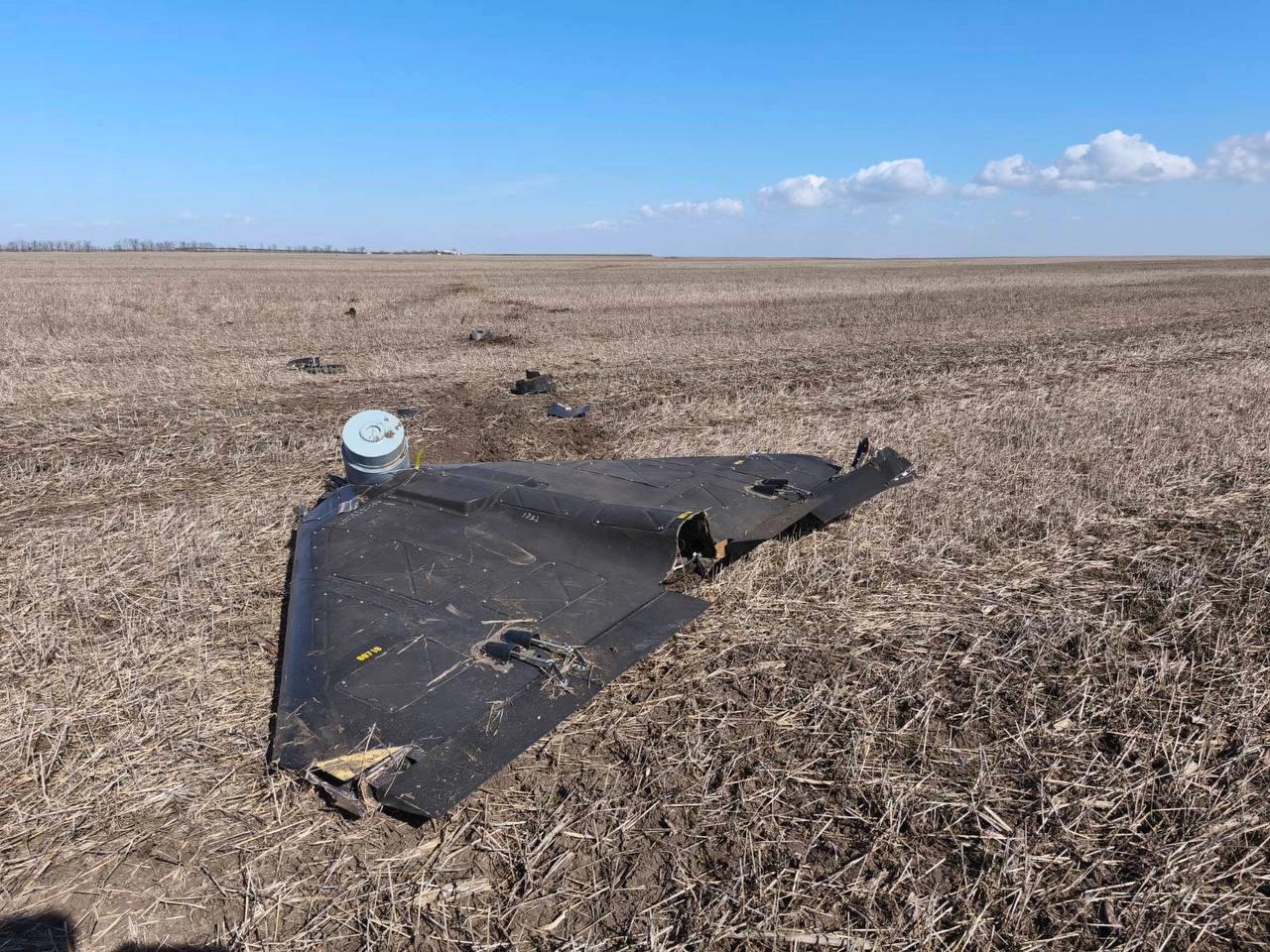
Russian drone incursions into Moldovan airspace pose security threats and economic challenges. They require the mobilization of state institutions, disrupt air traffic, and generate additional costs for airlines and passengers. Repeated incidents may also undermine tourism and investment by creating insecurity.
Each such incident triggers a complex intervention mechanism because authorities cannot immediately determine the device's nature or the danger it poses. These efforts involve security agencies, emergency services, and local authorities, explained political analyst Mihai Isac during the program "Paralela 47" on Radio Moldova.
"We are talking about the mobilization of units from the National Army, national security services, police detachments, local public administration, and the General Inspectorate for Emergencies (IGSU)," the expert said.
The consequences also extend to the transport sector, where safety measures can lead to the temporary suspension of airport operations. Beyond operational difficulties, such situations create additional costs for operators and travellers alike.
"Simply grounding a passenger flight can cost the operating airline, local authorities, and the citizens—who face extra expenses—tens or even hundreds of thousands of euros," stated Mihai Isac.
However, the impact goes beyond immediate financial costs. The uncertainty caused by recurring incidents may influence the decisions of those planning to visit the Republic of Moldova or invest in the country. The analyst also points to the long-term psychological effects on the population.
"These costs have not yet been determined or accounted for. There is no final bill for this 'drone terror,'" Mihai Isac said. Mitigating these risks also depends on the modernization of air defense capabilities. According to the expert, the detection of aircraft entering the airspace without authorization must be complemented by effective countermeasures, tailored to the resources available to the Republic of Moldova.
"First and foremost, the Republic of Moldova needs to establish—within the limits of its available financial resources—a high-performance radar system. When we talk about drone detection, it is not just about radar; we also need jamming systems and interception systems," the analyst explained.
Drone incursions into the Republic of Moldova’s airspace have intensified in recent months, against the backdrop of Russian attacks on Ukraine. In total, from 2022 through October 23, 2024, authorities have documented more than 100 instances of airspace violations.