Moldovan woman sentenced to 14 years in Russia for treason
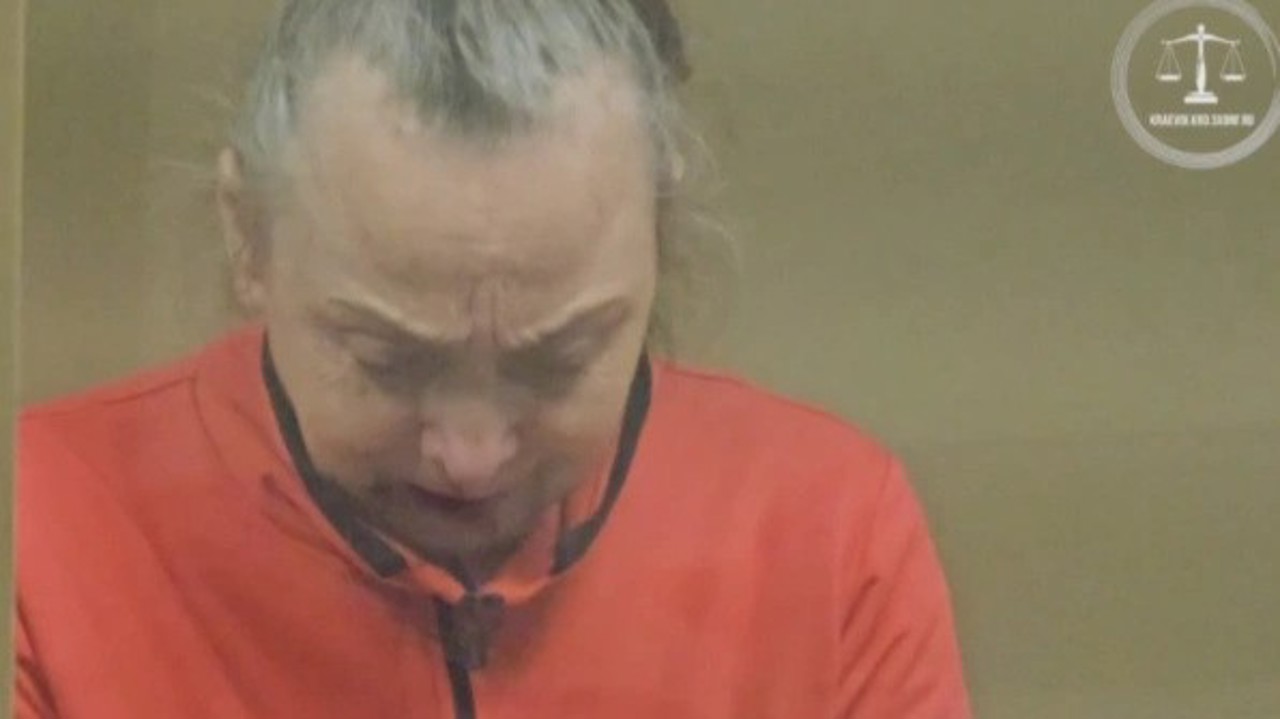
Russia’s Krasnodar Regional Court has sentenced Natalia Slanovschi, a 65-year-old Moldovan-Russian national, to 14 years in prison for high treason, prompting a request for information from Chișinău.
Moldova seeks information about the case
Moldova’s Embassy in Moscow has requested official information from Russian authorities but has yet to receive a response, the Ministry of Foreign Affairs (MFA) said.
“The person was convicted of high treason, an offence which, under Article 275 of the Russian Criminal Code, can be brought only against Russian citizens,” the ministry said.
The MFA noted that Russian authorities might refuse to share information with the Moldovan diplomatic mission because Slanovschi was reportedly detained and investigated as a Russian citizen.
The ministry said it remained in contact with the embassy and was continuing efforts to obtain relevant information and establish whether consular assistance could be provided.
What Russian authorities allege
According to Russian media reports, officers from the Federal Security Service (FSB) directorate in the Krasnodar region established that Slanovschi opposed Russia’s so-called “special military operation”, the Kremlin’s term for its full-scale invasion of Ukraine launched in February 2022.
Russian investigators alleged that she had contacted the Main Counterintelligence Directorate of Moldova’s Information and Security Service (SIS), knowing that the agency was allegedly acting in the interests of Ukraine’s Security Service (SBU).
In February 2026, while receiving treatment at a sanatorium in Anapa, Slanovschi allegedly photographed a facility belonging to Russia’s Defence Ministry in the Krasnodar region. She reportedly sent the images to a Moldovan counterintelligence officer for onward transmission to the SBU.
Russian court representatives said the information provided by the defendant was accurate and could have been used by Ukraine to prepare sabotage and terrorist attacks in the Krasnodar region.
However, investigative outlet The Insider reported that Russian authorities had presented no publicly available evidence to support these allegations beyond their own statements.
Who was Natalia Slanovschi?
The Insider identified the woman after finding her name in a video recording of the court proceedings in which the sentence was announced.
She is Natalia Petrovna Slanovschi, born on March 21, 1961, in Horodiște village, in the former Moldavian Soviet Socialist Republic. She lived in Moscow and worked as an economist for a company called Progressive Biomedical Technologies.
Her name is anonymised in the publicly available record of criminal case No. 2-118/2026.
It remains unclear whether Slanovschi pleaded guilty. Russian authorities have not disclosed when she was arrested or what evidence was presented in court to establish her alleged cooperation with Moldova’s counterintelligence service.
According to court records, the case was registered with the Krasnodar Regional Court on August 24, 2026. The first hearing took place on September 14, and the verdict was delivered on November 2. The case was heard by Judge Vladimir Gorban.
Moldovan intelligence officers released in prisoner exchange
In April 2026, Russia released two officers of Moldova’s Information and Security Service (SIS) who had been detained in Moscow in June 2025. They returned home as part of a multilateral prisoner exchange.
In return for the two Moldovan officers, Moscow received several individuals, including Alexandru Bălan, a former deputy head of Moldova’s intelligence service accused of passing classified documents to Belarus’s KGB; Russian citizen Nina Popova, the wife of a Russian serviceman stationed in Moldova’s separatist region on the left bank of the Dniester; and Aleksandr Butiaghin, an employee of the Hermitage Museum who had been detained in Poland at Ukraine’s request.
As part of the same exchange, Belarus released Polish journalist Andrzej Poczobut, who had been held in detention since 2021.
Translation by Iurie Tataru
RELATED COVERAGE
- US-backed swap frees Moldovan officers
- Moldova strips citizenship of ex-spy chief exchanged with Russia
- SIS foils 21 million lei scheme involving military aircraft parts
- Russia weaponizes personal data to destabilize Moldova
- SIS director at Moldova Security Forum 2026: Money now drives Russia's strategy to destabilize Moldova