Moldova faces costly hurdles in EU accession talks
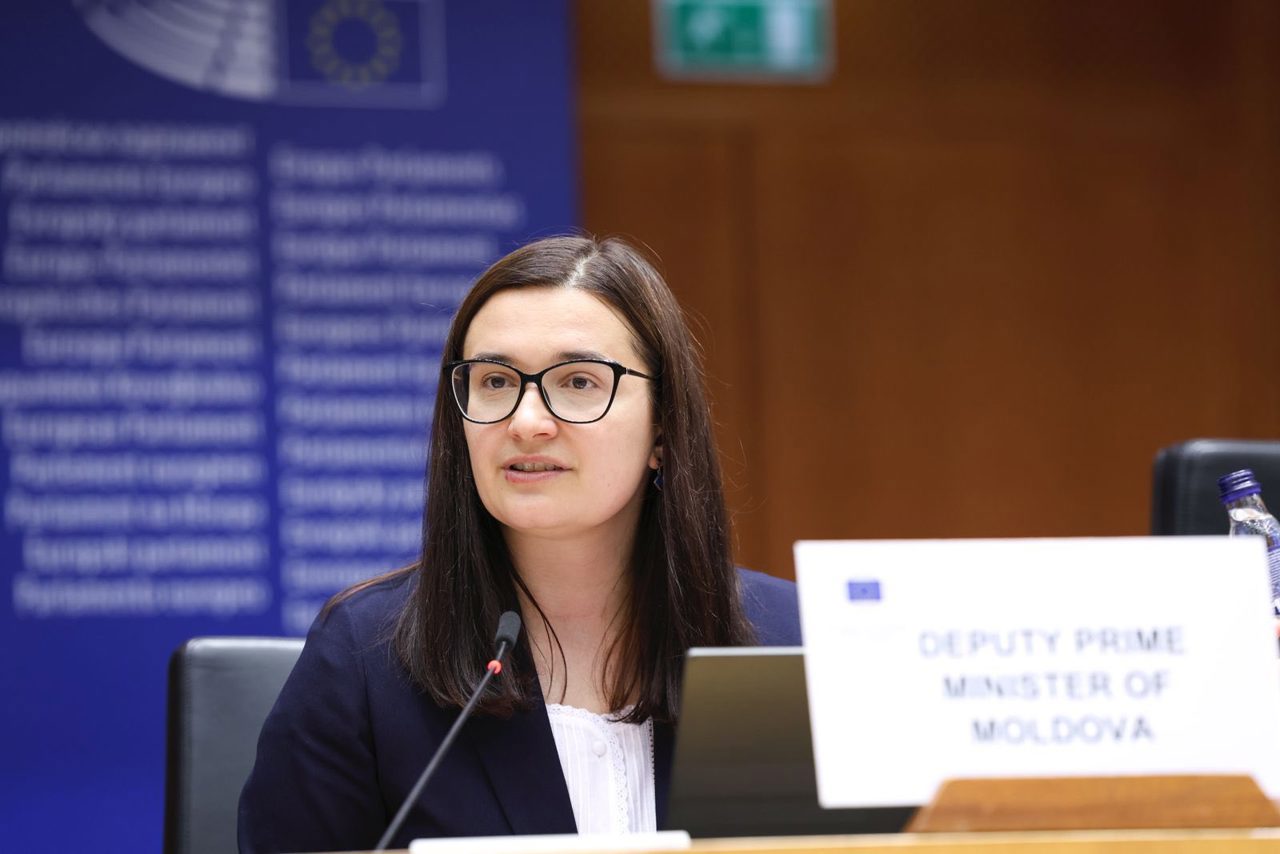
Moldova faces major legislative and financial hurdles in aligning with EU rules, particularly in environmental protection, transport and trans-European networks, Deputy Prime Minister Cristina Gherasimov said on Friday.
EU rules must deliver results, not just paperwork
Moldova must do more than incorporate European legislation into national law to complete its EU accession negotiations. Authorities must also demonstrate that the rules are being enforced and producing tangible results.
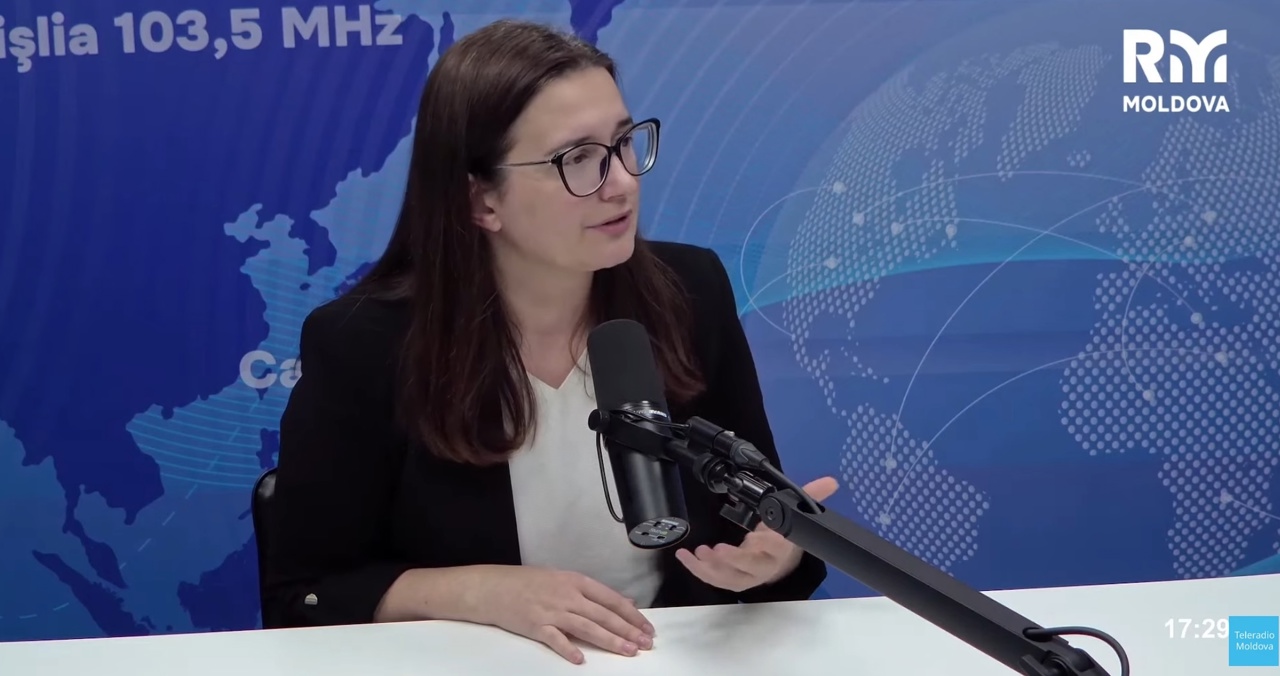
Some negotiating chapters involve hundreds of EU legal acts that must be reviewed, transposed and implemented, Gherasimov said during an interview on Radio Moldova's “Paralela 47” programme on November 6.
“There are also chapters where, simply in terms of the volume of EU legislation, we are talking about hundreds and hundreds of acts that need to be analysed, transposed and, last but not least, implemented, because the Commission does not just want to see these reforms on paper,” said Cristina Gherasimov.
The European Commission also conducts on-the-ground checks to establish whether the new rules are being applied across the country, not just in the capital.
“The Commission comes to Chisinau and checks across the country, not just in Chisinau, whether these directives and regulations are being applied in practice and delivering results,” she said.
Three sectors require substantial investment
Environmental protection, transport and trans-European networks are among the most challenging areas for Moldova's accession preparations.
Chapters 27 (Environment and climate change), 14 (Transport policy) and 21 (Trans-European networks) require both institutional capacity and substantial financial resources, Gherasimov said.
“Whether we are talking about Chapter 27, which concerns the environment, Chapter 14 on transport or Chapter 21 on trans-European networks, these chapters require not only efforts from institutions but also major investments to bring about certain changes,” she said.
The government must plan the necessary budget allocations despite the country's limited financial resources and economic constraints.
Moldova seeks transitional arrangements
Against this backdrop, Moldova is asking the European Union for transitional periods to implement certain requirements that would involve particularly high costs.
Such arrangements would give the authorities and affected economic sectors additional time to adapt to EU standards, particularly in areas where infrastructure upgrades and environmental improvements require substantial investment.
“Most of these requests, of course, concern the chapters on the environment, energy and transport, where the financial investments are very, very high,” Gherasimov said.
Moldova targets early 2028 for conclusion of accession talks
The Republic of Moldova aims to conclude its EU accession negotiations by early 2028.
Under the European Commission's indicative roadmap presented on November 4, 25 of the country's 33 negotiating chapters could be provisionally closed by the end of 2027, provided that Moldova maintains the pace of reforms and meets the required benchmarks.
The proposed schedule includes nine chapters in the first half of 2027 and another 16 in the second half. Their provisional closure will depend on the implementation of Moldova's commitments, the European Commission's assessment and the agreement of EU member states.
Translation by Iurie Tataru
RELATED COVERAGE
- European Commission highlights Moldova’s key shortcomings in latest enlargement report
- Moldova could provisionally close 25 EU chapters in 2027
- Moldova advances EU transport standards, boosts connectivity
- Moldova: Environment Hurdle in EU Accession Talks
- Moldova may seek transition periods post-EU accession, Gherasimov