NATO reaffirms defense support for Moldova in Berlin talks
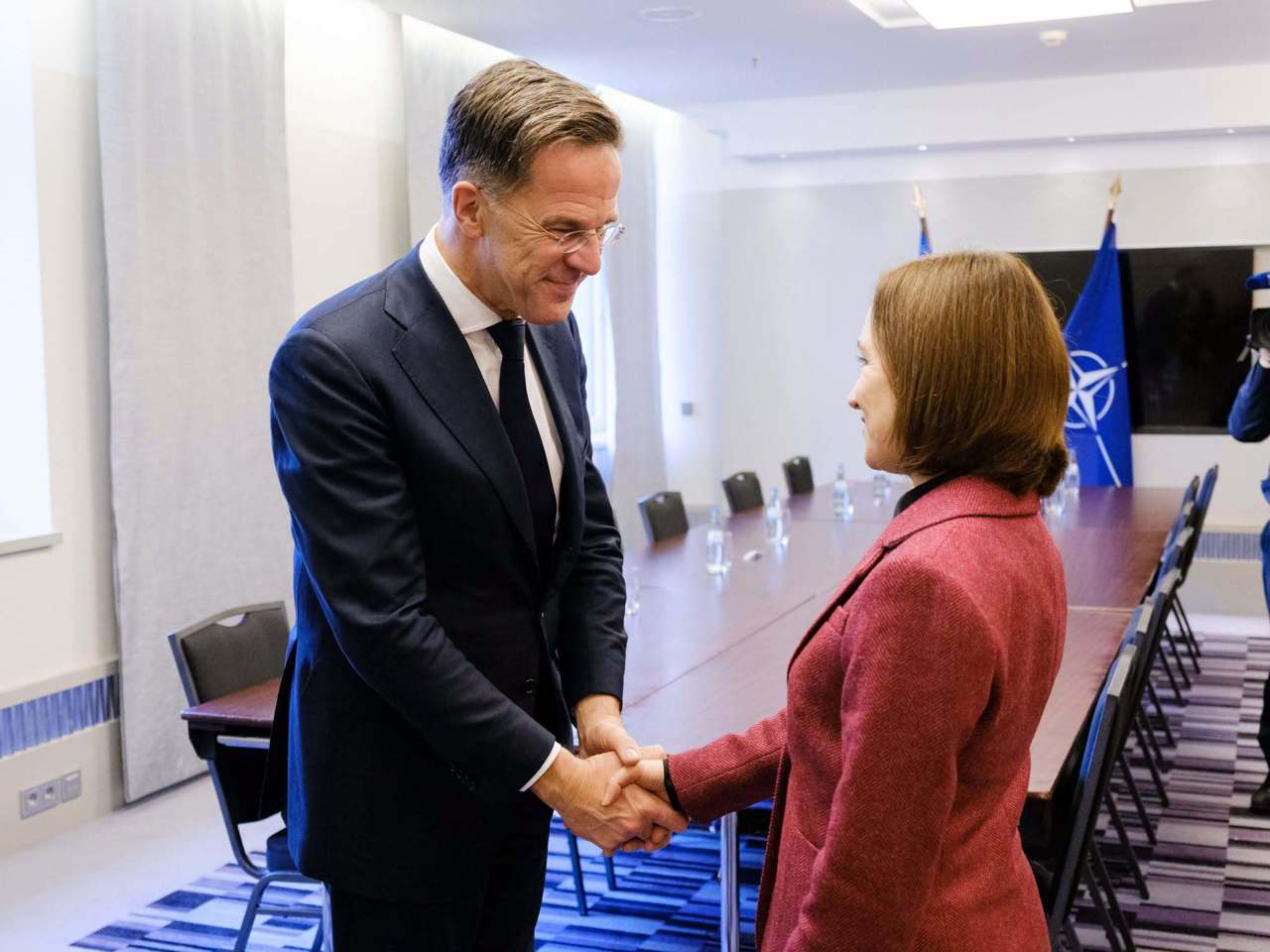
NATO Secretary General Mark Rutte reaffirmed alliance support for Moldova's defense and resilience during November 23 talks in Berlin with President Maia Sandu, addressing regional security risks from Russia's war in Ukraine.
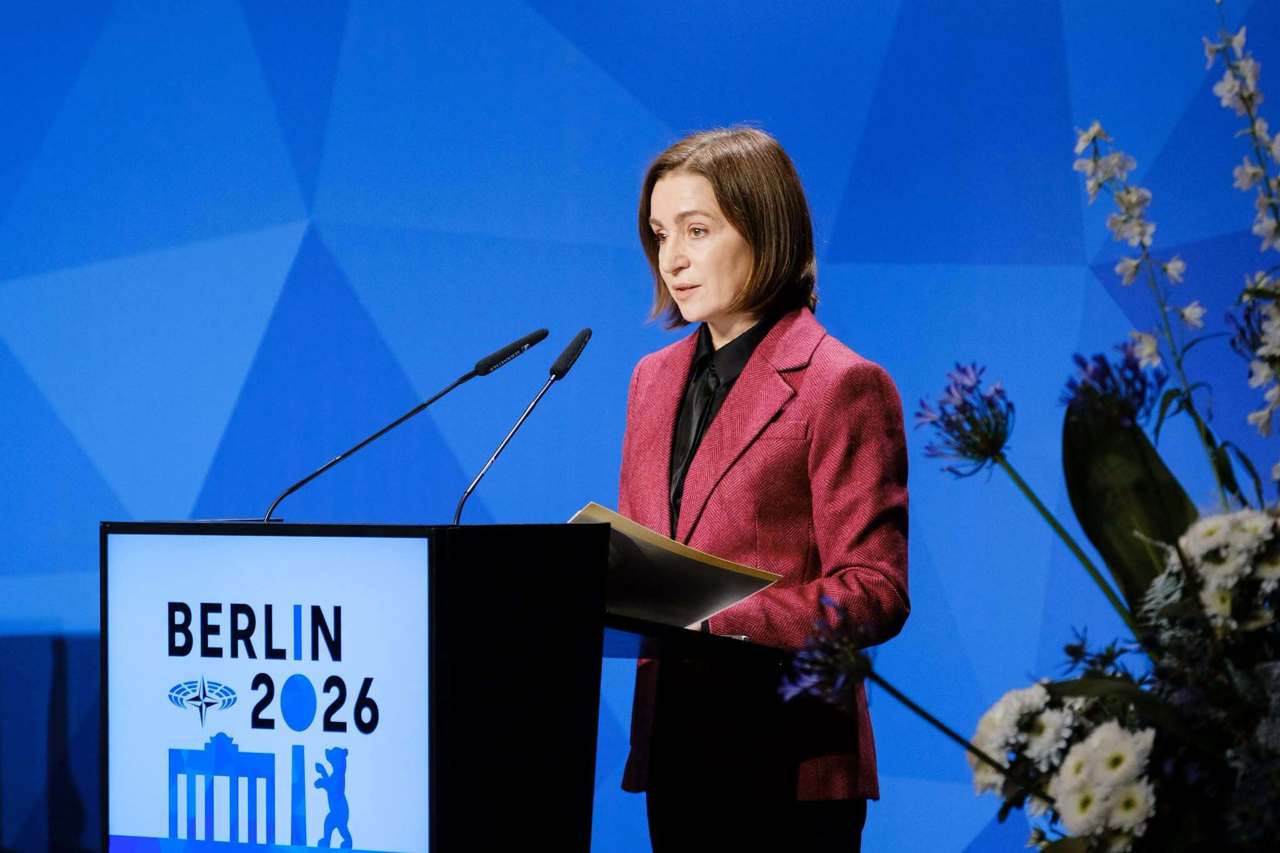
The two leaders met on the sidelines of the NATO Parliamentary Assembly, where Sandu received the Women for Peace and Security award for her contributions to peace, security, and resilience. Both officials reviewed ongoing partnership projects and noted that political dialogue between Chisinau and NATO has reached an advanced stage.
Hybrid threats and airspace violations
Addressing the NATO Parliamentary Assembly plenary, Sandu warned about Russia's information warfare against Moldova, including the use of artificial intelligence. She said electoral interference is prepared well ahead of campaigns through illicit financing networks, propaganda, and efforts to sway public opinion, and called for closer NATO-EU cooperation to counter disinformation.
Sandu also highlighted the security spillover from the war in Ukraine. According to figures she presented, Moldovan authorities recorded more than 80 incidents involving drones and other aerial threats in 2026.
NATO defense spending and air defense
Rutte urged NATO member states to accelerate defense spending and submit concrete plans to reach at least 5% of GDP by 2035, or sooner. He said threats to European security are real, pointing to cyberattacks, sabotage, and drone incursions attributed to Russia.
The alliance chief also stressed the need to expand weapons production, air defense, and anti-drone capabilities as demand for military equipment outpaces supply.
Three decades of Moldova-NATO ties
Moldova's relations with NATO began shortly after independence. The country joined the inaugural meeting of the North Atlantic Cooperation Council in December 1991, entered the Partnership for Peace program in 1994, and established its Mission to NATO in 1997.
Chisinau and NATO approved their first Individual Partnership Action Plan (IPAP) in 2006, updating the framework in 2010, 2014, 2017, and 2022. Since 2014, Moldovan troops have participated in NATO's KFOR peacekeeping mission in Kosovo alongside defense capacity-building and interoperability programs.
In 2016, both sides signed an agreement to establish the NATO Liaison Office in Chisinau, which officially opened in December 2017.
Translation by Iurie Tataru
RELATED COVERAGE
- Nato Political Committee visits Moldova after a decade
- Moldova Security Forum 2026: Moldova is NATO's largest defense funding recipient, aiming for strength and stability
- Moldova Security Forum 2026 | Kevin Hamilton: NATO must learn from Moldova's experience under Russian pressure
- Unauthorized drone crosses Moldovan airspace for nine minutes
- Russian drones in Moldova may intimidate; experts say Moscow is pressuring Chisinau