Russia fuel crisis: Ukrainian drone attacks cause nationwide petrol shortages
Russia's ongoing fuel shortages and rising prices are a recurring problem, but this year's deficit is a direct consequence of Ukrainian drone attacks on the country's oil refineries.
In recent weeks, the drone strikes have forced some gas stations to run out of fuel, leaving drivers queuing for long periods. Authorities have resorted to rationing or temporarily suspending sales.
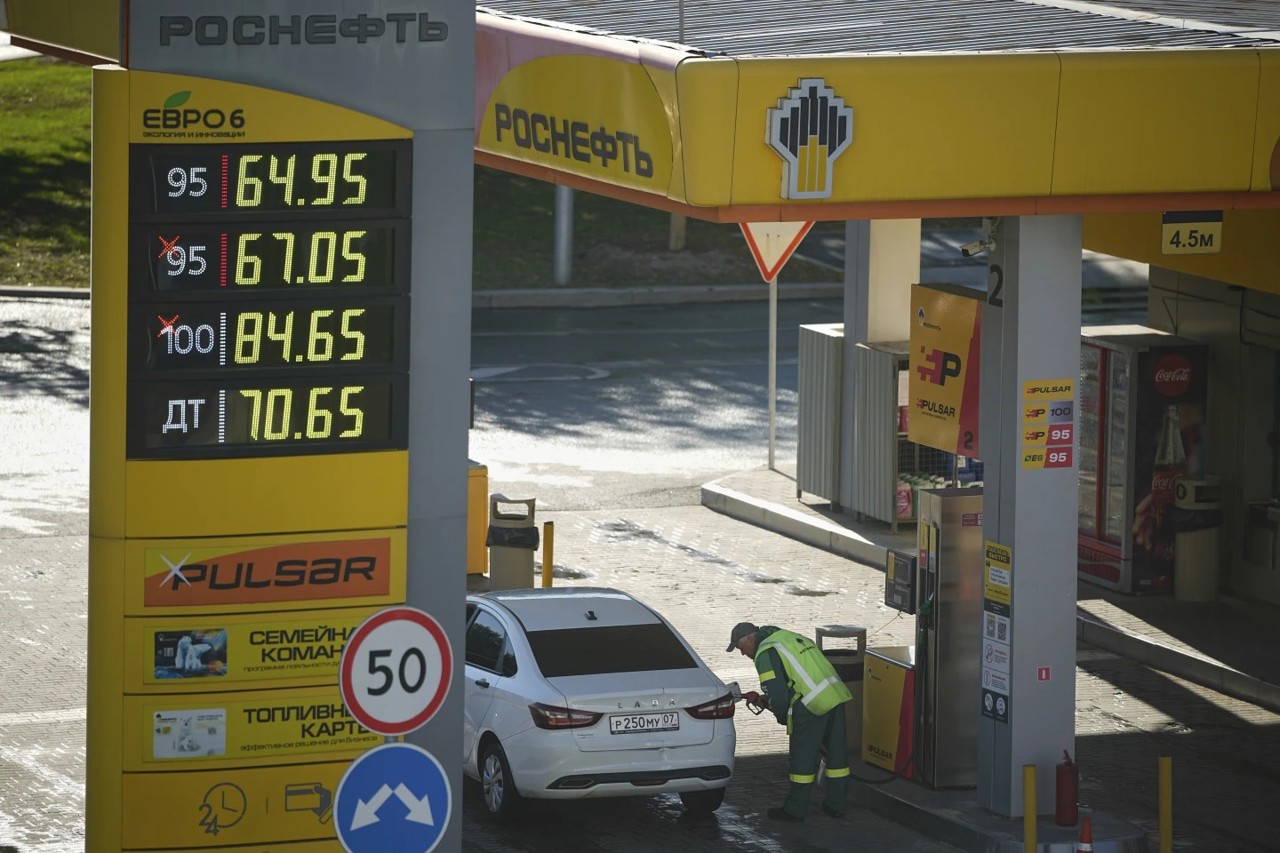
Wholesale prices for A-95 petrol on the St Petersburg Commodity Exchange reached a record high last week, up by around 50% since January. The price surge has been driven by increased demand from farmers during the harvest and from holiday travellers.
The source, citing Russian media, reports that the fuel shortage is affecting several regions in the Far East, as well as the Crimean Peninsula, which was illegally annexed by Russia in 2014.
In Primorye, on the North Korean border, massive queues have been reported at petrol stations, with prices rising to 78 roubles a litre. This is particularly difficult given the average monthly salary in the area is around £950 ($1,200). According to local publication Primpress, some drivers have started reselling petrol online at exorbitant prices, reaching up to 220 roubles a litre.
In the Kurilsk district, on the Kuril Islands just north of Japan, the shortage of lower-octane A-92 petrol forced authorities to completely suspend sales on Monday. In Crimea, a popular tourist destination, some oil companies have resorted to distributing fuel only with special coupons or cards.
Although Russia typically faces fuel price increases towards the end of summer, this year's shortage has been worsened by Ukraine's attacks on refineries amid the ongoing war. The larger and more focused strikes have caused significant damage and reduced production precisely during a period of peak consumption.
While Ukraine had previously targeted Russian energy infrastructure sporadically, the attacks have become “more efficient” in recent weeks, with more drones being launched. Between August 2 and 24, Russian oil infrastructure was attacked at least 12 times, according to media reports. At least 10 of the strikes targeted facilities in the Ryazan-Volgograd network, located in southwestern Russia.
These attacks have damaged numerous refineries without taking them completely offline, explained Andrei Vakulenko, a senior specialist at the Carnegie Russia Eurasia Center. He noted that most facilities are built to withstand fires. However, they can seriously slow down operations, a fact confirmed by the drop in the volume of crude oil processed into petrol, diesel, and other products, by approximately 200,000–250,000 barrels a day.
According to Reuters, the attacks on 10 refineries have affected at least 17% of Russia’s oil processing capacity.
Due to the drone attacks, refineries in Volgograd, Novokuibyshevsk, Samara, Saratov, and Syzran have completely suspended their operations. Other targets of the strikes were the Afipsk, Slavyansk, and Novoshakhtinsk refineries.
The fire at the Novoshakhtinsk refinery, a major fuel supplier in southern Russia, was finally put out five days after the attack on the morning of August 26. UNIAN, citing satellite images, writes that six tanks at the refinery were completely destroyed, while two others were damaged.
The attacks have disrupted oil processing and exports, leading to shortages in some regions of Russia, including the Far East. Drivers have had to switch to more expensive petrol due to the lack of the usual A-95.
Translation by Iurie Tataru