Moldova pushes for organic seeds to gain agricultural independence
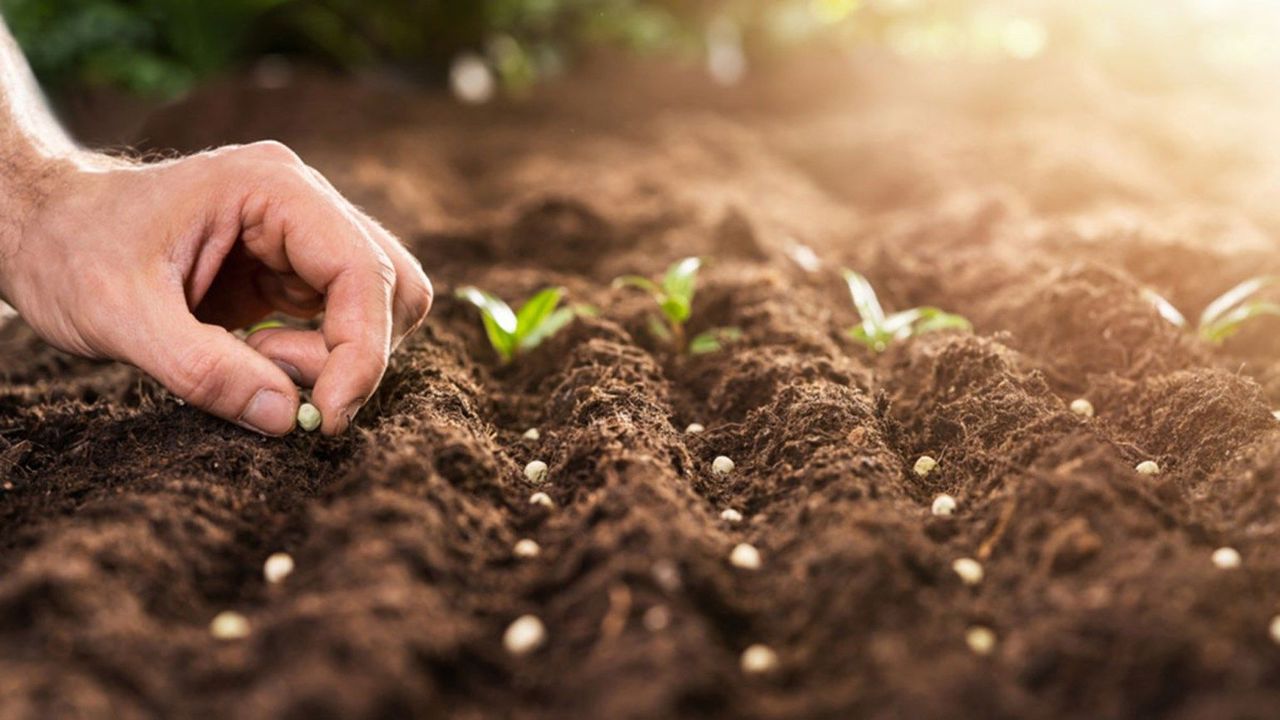
The Republic of Moldova continues its heavy reliance on imported seeds, yet the country possesses vast untapped potential for boosting domestic seed production, particularly for vegetable and potato crops.
The discussion comes from Dr. habilitat in agriculture Petru Iliev, a researcher at the National Institute for Applied Research in Agriculture and Veterinary Medicine, in an interview with Radio Moldova. Dr. Iliev asserts that with strategic investment and innovation, Moldova could become an important regional player in the organic seeds market.
"With the regaining of independence, many of the traditional seed production schemes were lost, dismantled, or simply became outdated and non-functional," Petru Iliev explained. For decades, the nation's agriculture has relied heavily on seed imports. However, initiatives focused on local production are currently being actively relaunched.
"We have only recently begun to fully develop a seed potato production system in the Republic of Moldova," the researcher emphasized. "We successfully reduced the potato seed import from the European Union and other countries from 2,500 tons down to just 500-600 tons."
This reduction translates to a direct saving of nearly 1,600,000 euros that now remains within the country.
At his institute, new projects have been launched, including one financed by IFAD. This project involves the construction of a complex of greenhouses dedicated to the production of primary seeds and the multiplication of indigenous varieties specifically adapted to local climatic conditions.
Addressing climate change adaptation, Petru Iliev stressed the critical need to invest in genetics and research. "To adapt better, we must find more resilient genetic sources, ones adapted to thermo-hydric stress and the diseases that inevitably emerge with shifting climate patterns."
The researcher noted that over 70 vegetable species thrive in the Republic of Moldova, providing immense potential for the development of organic crops.
"We have the capacity to produce not just seeds, but organic seeds. By focusing here, we could become a leader in this segment, establish a regional reputation, and generate economic revenue," he stated.
In Dr. Iliev’s view, local farmers must also adopt a more sustainable vision. "Producers need to be more creative. They shouldn't just focus on maximizing immediate yield, but also on the long-term well-being of the soil, and the future of their children and the country."
The researcher specified that while the local seed market is more developed in some sectors, like corn or wheat, approximately 70% of the seeds used in the Republic of Moldova are still imported. He firmly believes this trend can be reversed by fostering research and enhancing international cooperation.
"We are working on creating new varieties, while also rigorously testing foreign ones," the scientist mentioned. "If a variety produced in Romania, Bulgaria, or Germany adapts well to our local conditions, we can multiply and maintain it here. Ultimately, the consumer is the one who decides what we do and how we do it."
Dr. Petru Iliev concluded that harnessing indigenous genetic resources and promoting organic seeds could deliver both significant economic benefits and greater agricultural independence for the Republic of Moldova.
Translation by Iurie Tataru
Author: Svetlana Bogatu